.png) 3 months ago
82
3 months ago
82
The Telegraph has been reprimanded by a press standards watchdog after it published an entirely fabricated story about a wealthy banker complaining of the impact of school fee increases.
Ian Fraser, a freelance journalist and author, complained to the Independent Press Standards Organisation (Ipso) that the Telegraph had breached the editors’ code of practice in an article headlined: “We earn £345k, but soaring private school fees mean we can’t go on five holidays.”
The article, published online only on 25 May last year, reported on the impact increases in private school fees had had on a named couple and their three children.
The story explained how the investment banker Al Moy, 38, and his wife, Alexandra, had a joint salary of £345,000 with two children at fee-paying schools. It said the couple also had a daughter, Ali, a son called Harry and a two-year-old, named Barry.
The article claimed that after the addition of VAT to school fees, introduced by Labour on 1 January 2025, the couple were forced to switch supermarkets from Waitrose to Sainsbury’s, reduce their gardener to once a month and were taking fewer long-haul foreign holidays in order to make ends meet.
But the family did not exist.
Last year, after suggestions the whole article was generated by AI, the Press Gazette revealed it was written by a real journalist, based on a real telephone interview with a man who appears to have deceived the reporter and given them a fake name.
The Press Gazette said the case study was set up by a PR working for the financial planning firm Saltus. The story also referenced Saltus research that estimated the average lifetime cost of school fees.
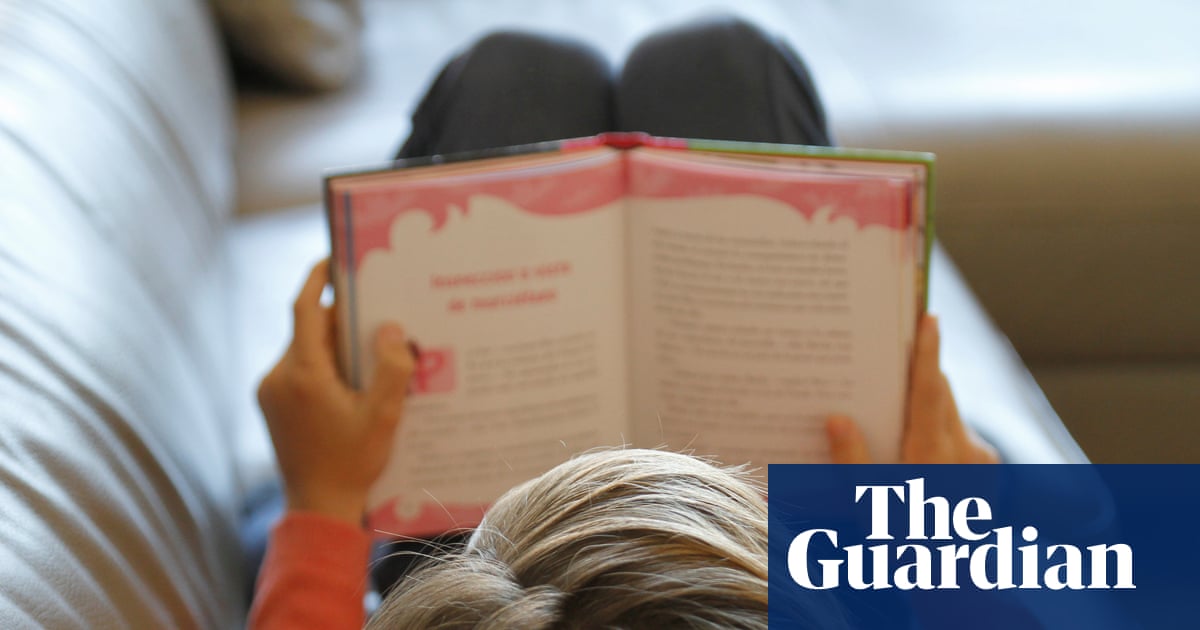
Fraser first flagged concerns on Bluesky over the use of stock images to illustrate the family, which were taken over a decade ago. Fraser said he could also find no trace of any bankers called Al and Alexandra Moy anywhere online except in the Telegraph.
The complaint was upheld and Ipso required Telegraph.co.uk to publish its adjudication to remedy the breach of the code.
The adjudication said: “While the publication accepted it had not taken due care over the accuracy of the article, it said it was satisfied any error had been rectified promptly and prominently.
“It said the article was ‘expunged’ from online and from its social media as soon as the issues in question arose. It added that it had become clear shortly after publication that there was an issue with the images, which had led to an internal investigation. It said the investigation revealed that the issues which arose stemmed from a failure to make pre-publication checks.”
On 18 June, the Telegraph published a stand-alone apology in which it said it had not been able to verify the details published.
A Telegraph spokesperson said: “The Telegraph takes any breach of the editors’ code of practice seriously. Upon identifying the complexities of this matter, we took immediate steps to remove this article online and from social media. We published an apology in line with Ipso guidance, reinforcing our commitment to the highest editorial standards, which had regrettably fallen short on this occasion. After launching a thorough internal investigation we have strengthened our pre-publication processes.”
A spokesperson for Boldspace, the PR agency acting on behalf of Saltus, said: “The individual was identified through a respected research partner. Following this, we had an initial call to confirm if he matched what was required for the story. The freelance journalist writing the article for the Telegraph then had a separate, independent 45-minute call with the individual directly in which they asked detailed questions, and ultimately made the judgment that his story stood up.
“Saltus was not involved in the process of identifying the case study or offering him to the journalist for interview, nor was Saltus involved in the interview that took place between the case study and the journalist.”