.png) 2 months ago
60
2 months ago
60
Malak A Tantesh, the Guardian’s former Gaza correspondent, was given a standing ovation at the British Journalism Awards, as she was recognised for reporting that included her own journey home following January’s ceasefire deal.
Tantesh, who reported for the Guardian from Gaza for 18 months, was named new journalist of the year and awarded the Marie Colvin award for outstanding up-and-coming journalists at a ceremony on Thursday night.
The prize is named after the acclaimed Sunday Times correspondent who was killed while reporting from the besieged Syrian enclave of Baba Amr in 2012.
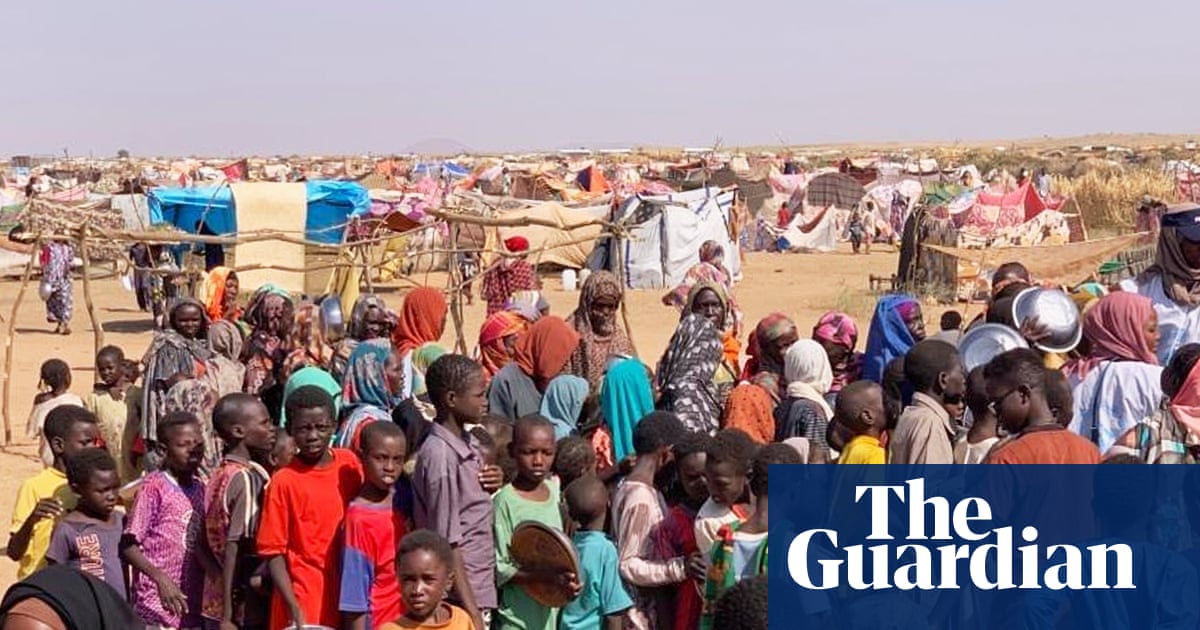
Tantesh’s reporting has described the impact of the war on Palestinians in Gaza, and her own family in particular. She has described losing close relatives and witnessing the aftermath of bombing. In one piece, she described her family’s return to her birthplace in Beit Lahia, only to find their home in ruins and their orchard destroyed.
Another piece described the plight of “skeletal children” in one of Gaza’s remaining hospitals.
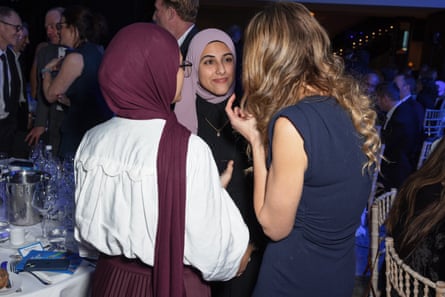
The judges said Tantesh’s work “embodies everything we think of as being in Marie’s spirit: bravery, empathy with her subjects, fighting against the odds to get the story”.
“Her written reports for the Guardian provided vital coverage of a war most journalists were banned from witnessing,” they said. “Working alone, she faced deprivation, the constant risk of bombs and the threat of targeted attack for their work.”
The Guardian was also recognised for its collaborative journalism. A team working with the Hope Not Hate group won the health and life sciences journalism category for a project investigating embryo IQ screening.
Undercover reporting was used to reveal that an international network of “race science” activists, seeking to influence public debate with discredited ideas on race and eugenics, had been funded secretly by a multimillionaire US tech entrepreneur.
Judges said the investigation “was a courageous piece of journalism exposing pseudoscience and worrying lack of security in the records of the UK bio bank”.
The Guardian’s Harry Davies was recognised in the technology journalism category, for a project alongside +972 Magazine that examined Microsoft’s ties with the Israeli military during the war in Gaza.
Liz Cookman was handed the features journalism award for work including a Guardian article examining Russian attacks on maternity hospitals, written from Kharkiv, Kherson and Sloviansk.
The Guardian’s political editor, Pippa Crerar, was highly commended for articles including a behind-the-scenes examination of Labour’s first 100 days back in power.
Channel 4 News was named news provider of the year.