.png) 2 months ago
64
2 months ago
64
Overbearing health and safety rules are stopping Britain building new infrastructure, according to the economist whom Keir Starmer has cited as an inspiration for his growth strategy.
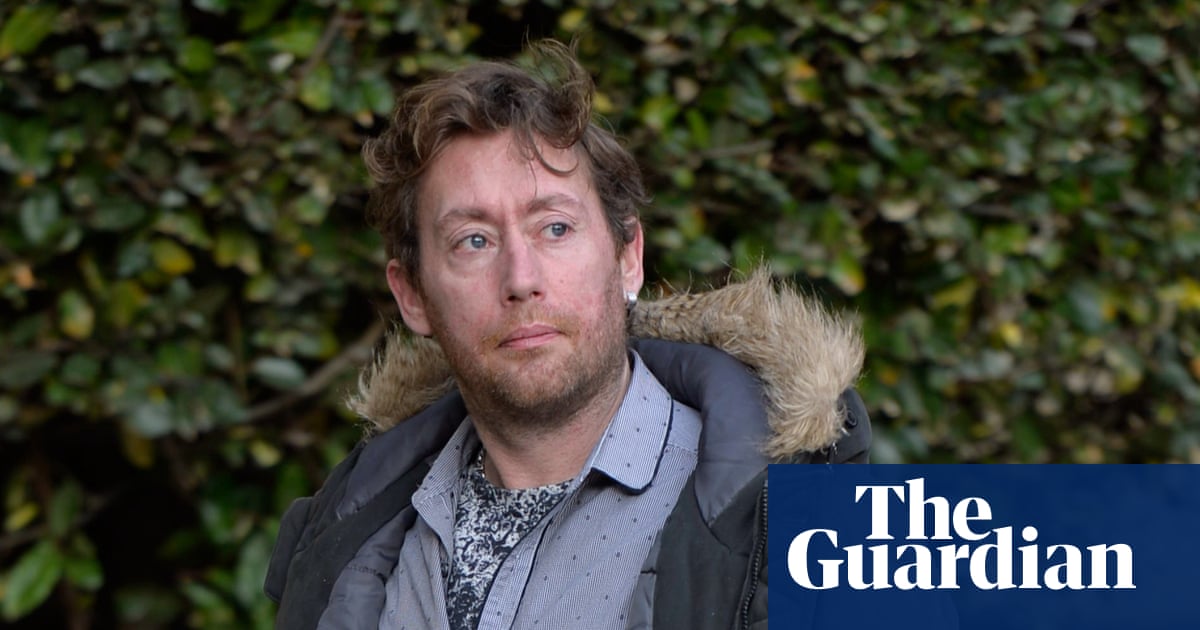
John Fingleton, who recently wrote a report for government on how to encourage developers to build new nuclear power plants, told the Guardian regulators needed to change their attitude to risk if the country was to end its long economic stagnation.
Starmer last week accepted Fingleton’s recommendations and said he wanted to use his approach to inform the government’s wider industrial strategy.
Fingleton told the Guardian: “We need to have a more mature relationship with risk. Projects often do not go ahead because of concerns about safety but often all you are doing is moving the risk somewhere else.”
He said the UK’s risk aversion was demonstrated to him by a recent decision by London’s royal parks to close during high winds. “Instead of going for a walk through the park, [people] ended up walking around the edge of it instead, where there were often more trees. All they had done was move the risk outside the park.”
Fingleton, the former head of the Office of Fair Trading, delivered his report on regulations in the nuclear power industry last month.
The report made a number of recommendations, including that the government give a clear direction to regulators as to how much risk they should tolerate when deciding whether new projects should go ahead. It also advised allowing developers to make an upfront payment to Natural England instead of having to change their designs to protect certain protected species on site.
It included the arresting detail that Hinkley Point C nuclear power plant is spending £700m on an acoustic fish deterrent, which saves the life of less than one salmon (and 528 twait shads) a year. Critics have called the system a “fish disco”.
Environmental groups have expressed alarm at the possibility of further deregulation, while some in government believe more legislation will not help boost infrastructure spending, especially when interest rates and supply chain costs remain high.
The report also criticised rules which demand that those working in nuclear power plants be exposed to radiation doses far below what the average person would experience in their everyday lives. “This increases prices for consumers and costs for the taxpayer and reduces the competitiveness of the nuclear sector for no meaningful health and safety benefit,” Fingleton wrote.
He told the Guardian the approach of minimising risks at almost any cost was creating problems across the economy. “It’s like telling children not to use a knife to cut bread,” he said. “That is fine for a while but at what point do you allow them to do so? At some point they are going to risk cutting themselves.”
Unions have rejected the idea that health and safety rules are holding back economic growth and have warned against exposing workers to higher risk.
Andy Prendergast, the GMB national secretary, said: “GMB and other unions have worked extremely hard to ensure that the safety standards in UK nuclear are the best in the world. These high standards don’t inhibit growth, they support it, giving workers and the public confidence in this key industry.
“The idea that these standards should be watered [down], made by an unelected, unqualified bureaucrat who has never worked for a day in the sector, would be laughable if it wasn’t such a gross insult to the thousands of workers who work safely keeping the UK’s lights on.”
Sue Ferns, senior deputy general secretary of the Prospect union, added: “Whatever changes are brought forward must not be at the expense of safety. Unions have been at the forefront of making the nuclear industry a safe place to work and must be involved in the drafting and implementation of new rules.”
Starmer praised Fingleton in a speech about growth last week, saying: “I agree with him. In fact, I would go further … In addition to accepting the Fingleton recommendations, I am asking the business secretary to apply these lessons across the entire industrial strategy.”
Fingleton himself told the Guardian he thought his recommendations could be applied to building new reservoirs and train lines in particular.
Mustafa Latif-Aramesh, Fingleton’s colleague on the nuclear regulatory review, added that he thought the current planning bill was insufficient to prevent another “bat tunnel” – the £100m tunnel protecting bats along the HS2 rail line.
“Under the bill as it stands, you can mitigate any damage to natural habitats by paying into a fund, but you have to know well in advance that the habitat is at risk,” he said. “If you encounter something after building gets under way, this does not provide a solution.”