.png) 2 months ago
54
2 months ago
54
On a quiet Friday evening, an otter and a fox trot through Lincoln city centre. The pair scurry past charity shops and through deserted streets, the encounter lit by the security lamps of shuttered takeaways. Each animal inspects the nooks and crannies of the high street before disappearing into the night, ending the unlikely scene captured by CCTV last month.
Unlike the fox, the otter has been a rare visitor in towns and cities across the UK. But after decades of intense conservation work, that is changing. In the past year alone, the aquatic mammal has been spotted on a river-boat dock in London’s Canary Wharf, dragging an enormous fish along a riverbank in Stratford-upon-Avon, and plundering garden ponds near York. One otter was even filmed causing chaos in a Shetland family’s kitchen in March.
Janice Bradley, head of nature recovery for the Nottinghamshire Wildlife Trust, says: “Twenty years ago, they were almost nonexistent. Then we saw them coming up the River Trent from other areas. Now, we’ve got records of otters in virtually every river and watercourse in the county. It’s remarkable.”
Nobody knows how many otters there are in the UK, although it is widely agreed that the population has increased, after nearly being wiped out in the polluted waterways of mid-20th century Britain. Some naturalists estimate there are 11,000 nationwide, but acknowledge that it is guesswork.
In the 1970s, surveyors searched nearly 3,000 sites across the UK, but found the animals at just 6% of them, mainly in strongholds in Scotland, Wales, Norfolk and south-west England. Now, they are widespread, using their sensitive whiskers and webbed feet to hunt in waters across the country.
Their return is a fragile tale of improving water quality, say conservationists. The dumping of industrial waste from factories and toxic pesticides ravaged fish populations in British rivers in the 19th and 20th centuries, with disastrous consequences for otters, which ended up consuming a lot of the toxins.
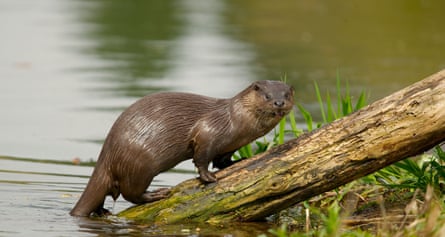
Bans on harmful pollutants, improving water quality – notwithstanding more recent problems with water utilities’ dumping of raw sewage – and a targeted reintroduction campaign in the east of the country have all helped their return.
Jon Trail, of the Yorkshire Wildlife Trust, says: “I think the surveys in the 70s were a lightbulb moment for people, when they realised otters had been seen historically and they couldn’t see them any more.
“There are old documents detailing encounters between otters and naturalists, yet people had not seen them for years.
“It has been a slow burn. Otters typically have one, two, sometimes three youngsters that the female looks after for a year, so it’s a slow recolonisation rate. Over 10 years, you might just have five or six kits, so it was always going to take a bit of time. But now it has passed a tipping point.”
Not everyone is happy about the return of the otter in the UK. Anglers blame them for devouring fish at their favourite spots, accusing the animals of disrupting the balance of the river, but many experts say this claim is overblown.
Despite their traditional portrayal as only preying on fish, otters eat a diverse range of rodents, birds and amphibians, and analysis of their diet shows they rarely go for the large fish prized by the angling community.
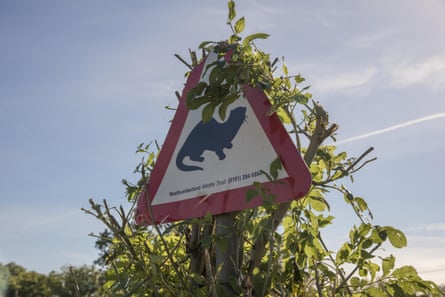
Dr Elizabeth Chadwick, head of Cardiff University’s Otter Project, which tests dead otters across the country to monitor pollution levels, says: “When it comes down to native species of fish, there is no evidence that otters are responsible for wiping out stocks. Part of this is a misunderstanding, but it also reflects limited resources.
“In British rivers, fish stocks are limited in some places. That’s not because the otters have recovered,” she says.
The Otter Project’s findings paint a complicated picture of the recovery, showing that heavy metals, Pfas “forever chemicals”, and pesticides are still building up in the mammals. But amid growing concern about the health of the UK’s rivers, Chadwick says the otter could become a symbol of the change that many are demanding.
“Otters are a really good way of monitoring the health of our waterways. A lot of chemical pollutions build up in an animal over time. They are often at trace levels in water so we cannot detect them in samples. But if you test the top of the food chain, they become detectable,” says Chadwick.
“If we can use otters as a sort of charismatic ambassador for river health, that can be really quite a powerful thing.”
Find more age of extinction coverage here, and follow the biodiversity reporters Phoebe Weston and Patrick Greenfield in the Guardian app for more nature coverage