.png) 7 hours ago
6
7 hours ago
6
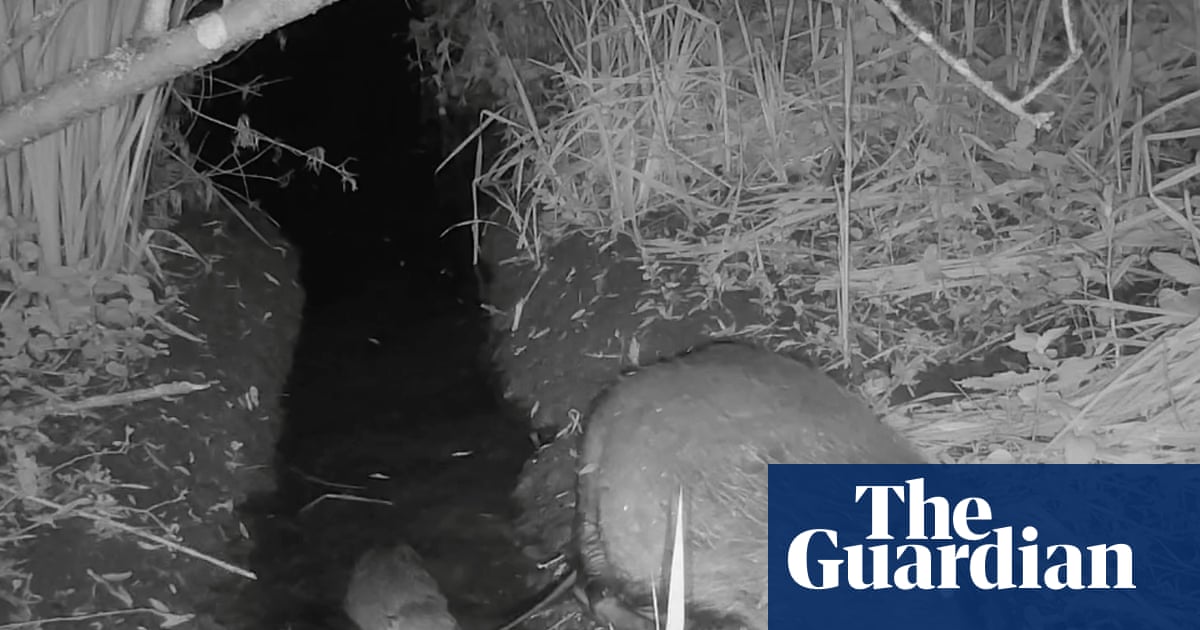
More than 1,000 little penguins have received their first dose of bird flu vaccine in Victoria, in what is believed to be the world’s largest vaccination program involving wild birds.
Catherine Basterfield, the chief executive of Phillip Island Nature Parks, said vaccinations began early last week and were ramping up.
“This is the first time anyone around the world has attempted something like this at this scale,” she said.
“It is really tricky and penguins are difficult to handle, but we have very well trained people.
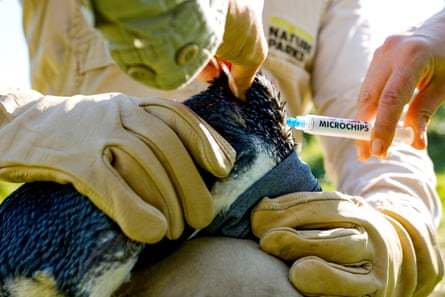
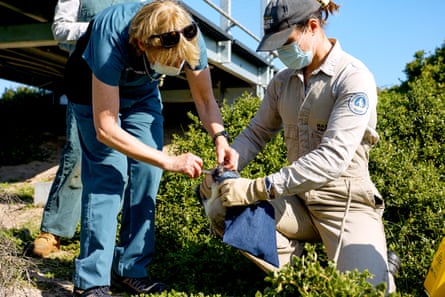
“The penguins come up the beach, they’re able to trap them in a little pen, and then move them into smaller pens to be able to then go through the vaccination administration process.”
About 5,000 birds across Phillip Island and St Kilda would receive two doses of the H5N1 vaccine, an effort that was only possible because penguins returned to the same burrows each night.
“Everybody loves little penguins,” said the state’s environment minister, Jaclyn Symes. “They’re an iconic little creature, they’re adorable, but they have a significant economic value to this region and to the state of Victoria.”
In recent nights, about 300 penguins were weighed, measured and microchipped, before being vaccinated and released. Those same birds would receive a second dose in three weeks’ time.
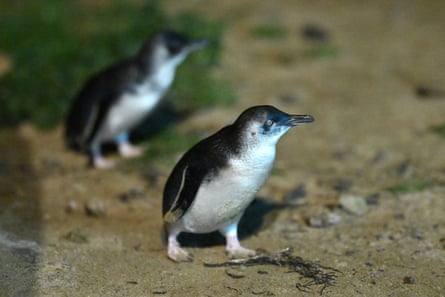
Little penguins are the world’s smallest species of penguin – about a ruler’s length in height – and found only in southern Australia and New Zealand. The birds, which are not listed as threatened under federal environment laws, are considered at “very high risk” from the deadly bird flu, according to a national risk assessment.
The population on Phillip Island is about 40,000 birds. The island’s “penguin parade” is a major tourist attraction, drawing about 700,000 visitors each year and contributing about $500m to the state’s economy.
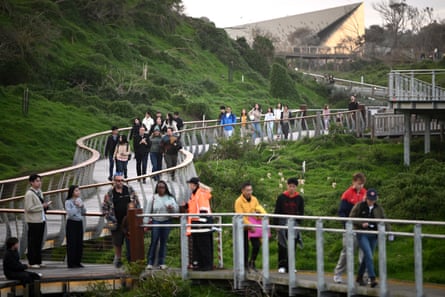
The large-scale wildlife vaccination program was announced by the Victorian government on 12 August, with vaccines supplied by the federal agriculture department.
Positive bird flu cases on Phillip Island, including one in a little penguin, have increased the sense of urgency, with the team working to vaccinate as many as possible over the coming weeks.
after newsletter promotion
South Australia also reported a confirmed case in a little penguin on Kangaroo Island on Sunday. On King Island in Tasmania, 51 of the animals died, with the deaths presumed to have been caused by bird flu, after one sample tested positive.
An Arthur Rylah Institute report published last year said it would take 10 weeks for penguins to reach peak immunity, and that administering vaccines after H5N1 arrived could be “too late, because significant mortality is likely to occur before adequate vaccine coverage is achieved”. In a worst-case scenario, the report said, up to 16,000 little penguins could die.
A federal agriculture spokesperson said vaccination was “one tool” that could reduce the impact on vulnerable native birds, but was “not a standalone solution”. “It does not replace effective biosecurity, which remains critical.”
James Todd, Victoria’s chief biodiversity officer, said vaccines weren’t a “silver bullet”, and wouldn’t be suitable for many of the hundreds of other wild species at risk from the virus.
“In the case of little penguins, we know that they are at risk from H5, they’re a colonial species that nest together. They are a seabird that will come in contact with other seabirds that carry the virus. And we also know that they’re an iconic species that have high value to Victorians.”
Dr John Cockrem, an emeritus professor at Massey University in New Zealand, who researches little penguins, said H5 bird flu was an added threat to the species, which were already affected by severe storms, sea level rise and changes in food availability due to the climate crisis.
“So avian flu then is a threat that has arisen and comes on top of other threats that the little penguins are facing, and will increasingly face in coming years.”