.png) 1 month ago
43
1 month ago
43
Prue Leith reckons the custard cream is “arguably Britain’s most iconic biscuit” – and, certainly, we’ve been dunking this fern-patterned treat in our tea for well over a century, with early advertisements for this “delicious biscuit” placing it, perhaps aspirationally, in the “fancy” category. By 1920, Bermondsey baking behemoth Peek Frean could confidently declare the custard cream “far and away the most popular of all the cream sandwich biscuits”, a status only slightly dented by the time I was at school about seven decades later, when it sat just below its contemporary, the chocolate bourbon, in the playtime snack ratings.
Despite my love of both custard and cookies, however, I’ve always found this particular custard-flavoured product a bit sugary and dull. As historian Lizzie Collingham explains in her magisterial book, The Biscuit: The History of a Very British Indulgence, it combines two early industrial foodstuffs, namely custard powder and machine-made biscuits, and though they may have been created in a factory, I think they’re much better made at home.
The biscuit
Let’s be honest, the biscuit isn’t really the point of the packet variety – as children, we’d prise them open to scrape out the sugary filling, like bears sucking honey from a split log – but when you bake them yourself, it can be. That said, I’m keen that mine should feel like an upgraded version of the original, rather than something just vaguely inspired by it, which rules out Alison Niven’s rich little cookies from her book Gloagburn, which contain twice as much butter as the robustly plain ones in Regula Ysewijn’s Oats in the North, Wheat from the South. Niven’s, which are an undeniable hit with my testers, have a very short, crumbly consistency, which I’m informed is characteristic of Australia’s beloved melting moment biscuits. I can see why they’re so popular, but I’m afraid they’re not custard creams as I know them, and the same goes for Nicola Lamb’s festive eggnog version on her Kitchen Projects Substack, which, with its soft brown sugar and dusting of nutmeg proves altogether too flavourful to be authentic.
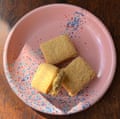
Nice as rich and crumbly is, the biscuit element here ought be snappy and crisp, with a restrained vanilla sweetness, but not so sweet that it competes with the filling. Although it works well in conjunction with the filling, when tasted separately, Ysewijn’s resolutely plain biscuit has about it something of the Bath Oliver cracker. Prue Leith’s take in The Great British Bake Off: Kitchen Classics comes the closest to the ideal, but, for maximum crunch, I’m going to leave out the custard powder that almost everyone includes in the biscuit dough: as magical as custard powder appears to its devotees, it is, in truth, just vanilla-scented cornflour. And adding such a gluten-free flour to the mix will yield softer, more friable results than using wheat flour alone. Instead, like Niven, I’m going to pop in a dash of vanilla extract, which should give some of the flavour of the powder without its texture-altering properties.
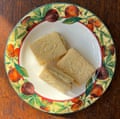
Similarly, Lamb’s brown sugar and Nigella Lawson’s vegetable shortening, which she uses in her Feast book in equal proportion to butter, both work against crispness by encouraging the dough to retain moisture, while the baking powder in many recipes will give a puffy, rather than crunchy finish. A simple mixture of butter and sugar, creamed until well combined, rather than quickly cut together like pastry, then mixed with plain flour and a whole egg, should yield a satisfying snappiness that, while pleasant enough to stand alone, won’t compete with the sweeter filling.
The rolling and shaping
The way you treat the dough is almost as important as what you put in it – rolling it out to Leith’s 3mm, rather than the more usual 4mm, will give a thinner, crisper finish, while Lamb’s advice to freeze it briefly before cutting helps the biscuits keep their form in the oven. She pipes hers into clamshells, Lawson, whose recipe is nominally intended for Valentine’s day, suggests a heart theme (a cutter that, I confess, I can’t immediately lay my hands on, so I hope she won’t object to my dog-shaped substitution). Meanwhile, Ysewijn recommends rectangles and pushing a “piece of lace or something similar” into the dough to achieve the requisite “baroque pattern” and Niven simply rolls hers into small balls. All are perfectly acceptable options, but if you’re dead set on making custard creams, you might also like to invest in a special stamp to make them look the part – they’re not expensive, and the results are very pleasing.
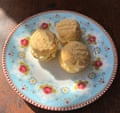
The filling
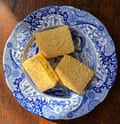
This is the most exciting part, as far as I’m concerned. Buttercream is the most common filling, though Leith calls for an unnecessarily complex crème au beurre (in which hot sugar syrup is beaten into egg yolks), a choice that can only be explained by being related to a some sort of Bake Off technical challenge – though impressive, the silky richness feels more at home in a French patisserie than a British tea table. Neither am I going to add Niven’s lemon juice and zest (another characteristic of melting moments), or Lamb’s dark rum and nutmeg, despite the fact that both are very tasty indeed – this is the place for custard powder, and in sufficient quantity for the biscuits to live up to their name, and I’d strongly recommend adding a pinch of salt, too; Lamb and Ysewijn are the only ones specifically to mention this, but it’s vital if the biscuits aren’t to be as one-dimensionally sweet as their commercial counterparts. If you’re feeling fancy, pipe in the filling, as Leith and Lamb do, but, having little patience with such things, I’d stick to a gently wielded butter knife. Enjoy!
Perfect custard creams
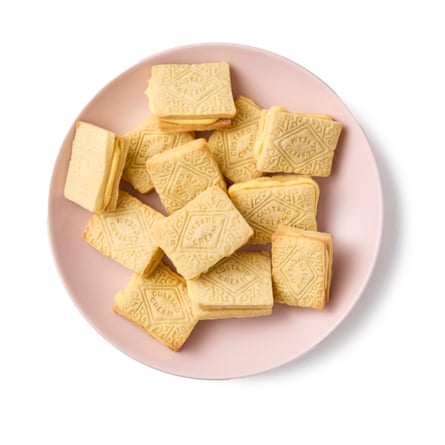
Prep 10 min
Chill 30 min+
Cook 40 min
Makes 20
For the biscuits
100g butter, at room temperature
85g caster sugar
1 egg, beaten
½ tsp vanilla extract
210g plain flour, plus extra for dusting
1 pinch fine salt
For the filling
50g butter, at room temperature
85g icing sugar
25g custard powder
1 pinch salt
Warm milk (about 2 tsp), or water, to loosen
Dice the butter and put it in a food mixer. Beat briefly to soften, then add the caster sugar and beat until creamy and lightened in colour; scrape down the sides of the bowl a couple of times, to make sure everything’s evenly mixed. (Alternatively, use a large bowl and electric beaters.)
Whisk the egg and vanilla, then, still beating, gradually add this to the butter mixture.
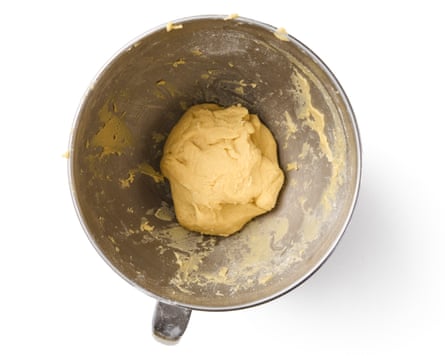
Once that’s incorporated, sift in the flour and salt, then mix to a firm dough – it’s easiest to use your hands for this.
Cut out a sheet of baking paper to line a baking tray, then put this on a work surface and lightly sprinkle with flour.
Roll out the dough to about 3mm thick, then lay it on the paper-topped baking sheet and pop it in the freezer for 15 minutes (or chill in the fridge for 30 minutes).
Use cutters to cut out the biscuits to your desired shape (if using a stamp, flour it lightly first to make it more effective), then arrange on baking paper-lined trays and return to the freezer (or fridge) while you heat the oven to 180C (160C fan)/gas 4.
Bake for about 14 minutes, until just beginning to turn golden around the edges, then remove and leave to cool completely.
For the filling, beat the butter in a food mixer or with electric beaters to soften it, then sift in the icing sugar and custard powder, and beat again to incorporate.
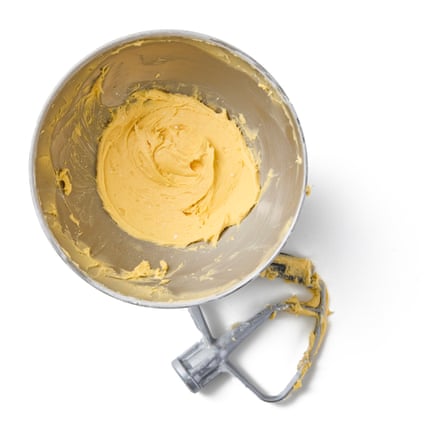
Add a pinch of salt, plus about two teaspoons of milk or water as required to make it spreadable, then beat again until fluffy and light.
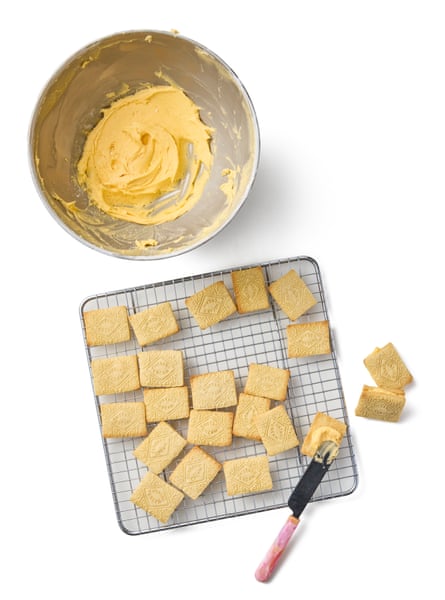
Spread the icing over the non-patterned sides of half the biscuits, then sandwich with the remaining biscuits. Keep in an air-tight container.
-
Custard creams: where do they rank in your personal biscuit hierarchy, and is there any room for improvement by making them yourself. And, if not, which biscuits do you think could benefit from such an upgrade?