.png) 1 month ago
42
1 month ago
42
In my teens, I wanted to be famous. I did absolutely nothing to further this goal, but I spent ages daydreaming about being profiled in Vogue, showcasing my great beauty and coolness, and choosing eight obscure indie tracks for Desert Island Discs (I listened to Radio 4 a lot; further proof of my coolness). Then I grew up and fame became horrible.
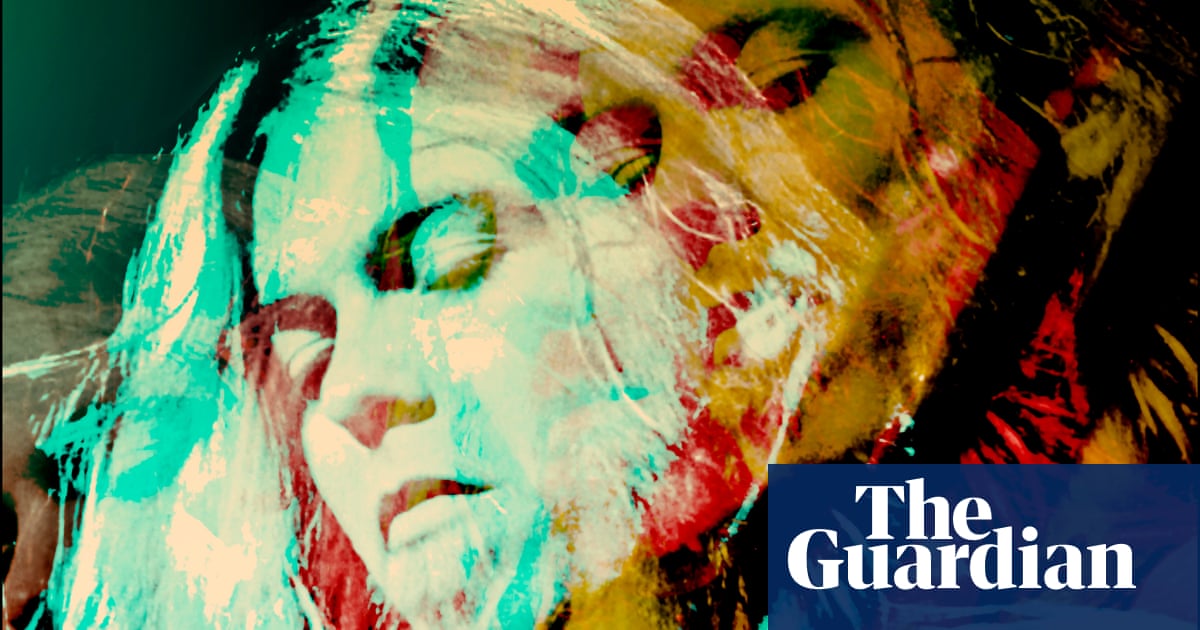
Fame was probably always horrible – think of all those golden age starlets used, abused and spat out by the studio system – but it’s extra horrible now. Lena Dunham’s new memoir, Famesick, catalogues with candour the distorting effect of internet-age global celebrity: the way it warps relationships, self-image, every interaction. Dunham describes the infinite torrent of online hate and ferocious disgust (she compulsively tallied how many times she was described as “fat” or “ugly” on Twitter); the way friends, acquaintances and strangers treated her as a “bottomless resource”; the toxic impact of fame on her mental health.
Awful. From the tabloid-enabled horrors of the 90s and 00s to the smartphone-enabled always-on-show life any public person lives, modern fame has “the vibe of an abusive ex-husband”, as Chappell Roan put it. It takes a toll: all those stints in rehab; the tight-lipped press releases citing “exhaustion”; the beleaguered, wary way celebrities live – understandably paranoid and elaborately private.
But hang on, aren’t we all a bit famous now and suffering the same ill effects? As a guest at one of Dunham’s launch events, the comedian Larry Owens, said: “Everyone with a phone is in the public eye, so we’re all at risk of being famesick in some way.” This is also the thesis of the journalist Megan Garber’s new book, Performance Anxiety, excerpted recently in the Atlantic. People living lives mediated by social media and smartphones, Garber says, are imbued with twitchy main-character energy – we’re public-facing online and feel uneasily watched. This is giving us stage fright, “adding new uncertainty to what were once mundane interactions, tweaking people’s nervous systems, unsteadying their very sense of self”.
I feel that. I’m not a nano-influencer, or even a pico-influencer, but you don’t need to be for that sense of being obscurely on show to colour how you move through the world. If I chose to, I could treat my online “audience” (bots, my cousin, a local greyhound, a handful of nice women of my age who used to read my blog) to my desert-island indie tracks. I could show them what I’m eating, invite them to “get ready with me” or offer my hot take on a hot topic. This wouldn’t seem grandiose or ridiculous: it’s absolutely normal now. I occasionally do some of these things and I enjoy watching others doing so more.
But is it actually normal? We’re anxious; we’re lonely; expensive, painful cosmetic enhancements are becoming ubiquitous. Less dramatically, but more pervasively, it feels hard to love what you love without wondering who’s watching, whether to post it, what reaction you’ll get.
Celebrities have been telling us for ages that fame isn’t all it’s cracked up to be. Now that many of us are getting a microdose, it turns out they’re right. We’re not enjoying it – and why should we? We don’t get the good bits – free stuff, being asked to do cool things, meeting amazing people, money. No wonder people are getting offline or taking social media sabbaticals; I wish I had their willpower. Performing life is no way to live.
For consolation, I tell myself that we may be living through a particularly painful part of a trajectory that will eventually land us in a less fretful and self-conscious place. Perhaps, in the future, no one will be famous, not even for 15 minutes. The attention economy will become so fragmented, so overwhelming, that we won’t have the mental energy to engage with anyone unless their online brand precisely dovetails with our interests. My audience would be seven York residents who like fancy bantams; yours could be 14 gluten-free scone aficionados in Norwich.
Maybe that would feel manageable. Alternatively, and more appealingly, perhaps we’ll break free of social media – maybe even throw our smartphones in the sea before the whole world needs to check into rehab.
Emma Beddington is a Guardian columnist