.png) 2 months ago
57
2 months ago
57
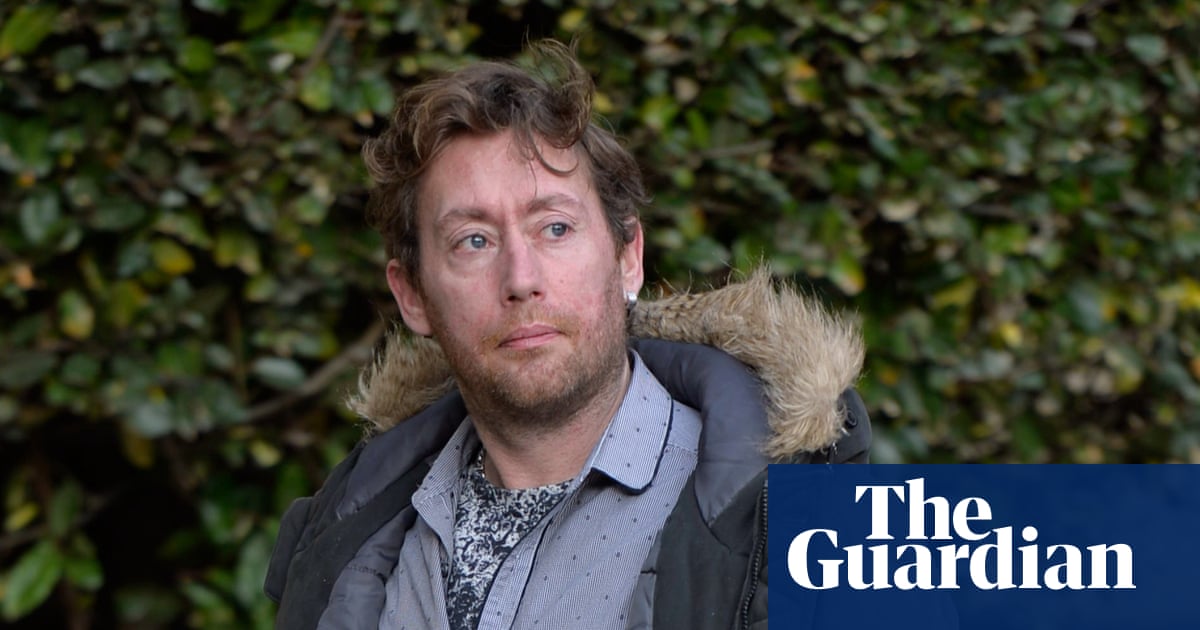
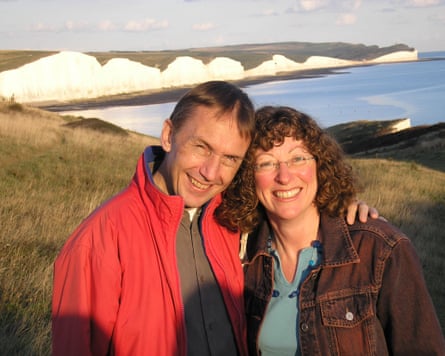
Three years ago, I sat in a hotel in Zurich, awaiting my flight home, wondering how I was going to get through the next few weeks and months. Having been with my wife, Christy, at Dignitas the day before, I was hoping I would avoid prosecution. That day had been the most profound day of my life, full of great sadness, but also great love, and a sense of peace that Christy had been able to die as she wished, without going through the inevitable pain and difficulty that she dreaded. A month earlier, she had written in her diary: “I don’t feel particularly frightened of the death itself. I am frightened about having to let go of life. I feel I have lived life to the absolute full … But … I’m not prepared to go on living this painful and difficult life as it continues to worsen.”
Don’t let anyone tell you that it’s an easy process to go to Dignitas. It is not. Christy had six months of covert bureaucracy and constant stress that someone might find out and stop her from going, as well as anxiety about the legal jeopardy I would face.
Why should anyone have to go through all that additional trauma at the most vulnerable time of their life? After first contacting Dignitas, she wrote: “Feeling an enormous sense of relief at the possibility of assisted dying. Realise I have been … living under a cloud of fear for two years now. There seem to be new symptoms every week. I’ve been independent all my life. It’s the loss of this that is hardest to bear.”
Back in London, I had no thought that a change in the law might be imminent, and the last thing on my mind was to campaign for change. Yet I now find myself on the board of the campaign group My Death, My Decision, horrified at the behaviour of a small group of peers who appear to be prepared to go to any lengths to derail the assisted dying bill. After watching the second day of the committee debate, I wanted to scream at the TV: “What about terminally ill people? Why is no one talking about them? Where is the empathy?”
Imagine you’ve got weeks or months left to live. How would you want to spend that time? Perhaps visiting family, friends and places, spending time reflecting, doing those things you’ve always been meaning to do while you still can. The last thing you’d want is to be ensnared in a web of bureaucracy that is your only way to get the comfort that the option of an assisted death can provide.
Watching the House of Lords debate, it would be easy to forget who the bill is about. Terminally ill people should be the focus of all the deliberations. Instead, what we’ve been seeing is a series of speeches about almost anything except how to enable the intent of the bill. This bill will ensure there are safeguards to protect vulnerable people. However, it exists to provide an option at the end of life for those people who want to live the best last weeks or months of their life that they can.
Ahead of the next committee debate on Friday, I would ask everyone in the Lords the same question: if we had perfect palliative care, and fully funded hospices, and all the possible safeguards included, would you still be against the bill in principle? I suspect that for the people who have submitted the vast majority of the amendments, the honest answer would be “yes”.
Everyone agrees the current system is unsafe and the status quo is unacceptable. Peers need to be honest with themselves and honest with those people for whom they intend to deny the option of an assisted death. They must stop hiding behind the pretence that only 1,000-plus amendments will make the bill workable, while going as slowly as possible to frustrate progress.
I’ve listened to every single minute of the debate. I’ve looked at all 1,127 (and still counting) amendments, and frankly, it is depressing to think that this is the level of discussion that goes on in the House of Lords.
after newsletter promotion
To those members of the House of Lords who imply that they occupy the moral high ground, I would say this: there’s plenty of room on the moral high ground. Your moral framework is no more valid than mine is. I don’t want to impose my moral framework on you, and if the bill goes through, then you won’t have to do anything that you feel uncomfortable with. You don’t have to take up the option of an assisted death, but I really resent having that option denied to me and to those, like my wife, who had to suffer under the current system.
Please remember at all times whom the bill is for. It’s for people like my wife, Christy. Your job is to improve the bill in order to help them, not put barriers in their way.
-
Dave Sowry is a retired systems analyst and a board member of the campaign group My Death, My Decision