.png) 5 hours ago
3
5 hours ago
3
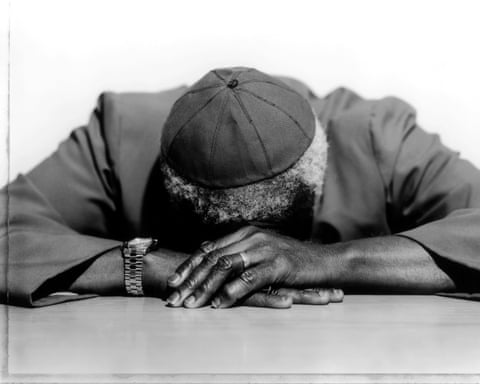
The South African photographer documented her country’s harrowing Truth and Reconciliation Commission. These pictures form part of a new exhibition – alongside intimate images of actors, artists and friends
‘I don’t mind to put my head on my hands’ … Bishop Desmond Tutu at the Truth Commission headquarters, Cape Town, South Africa, 2000. Photograph: Jillian EdelsteinThu 27 Aug 2026 08.00 CEST
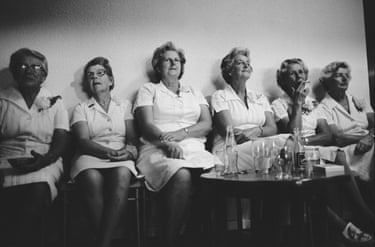
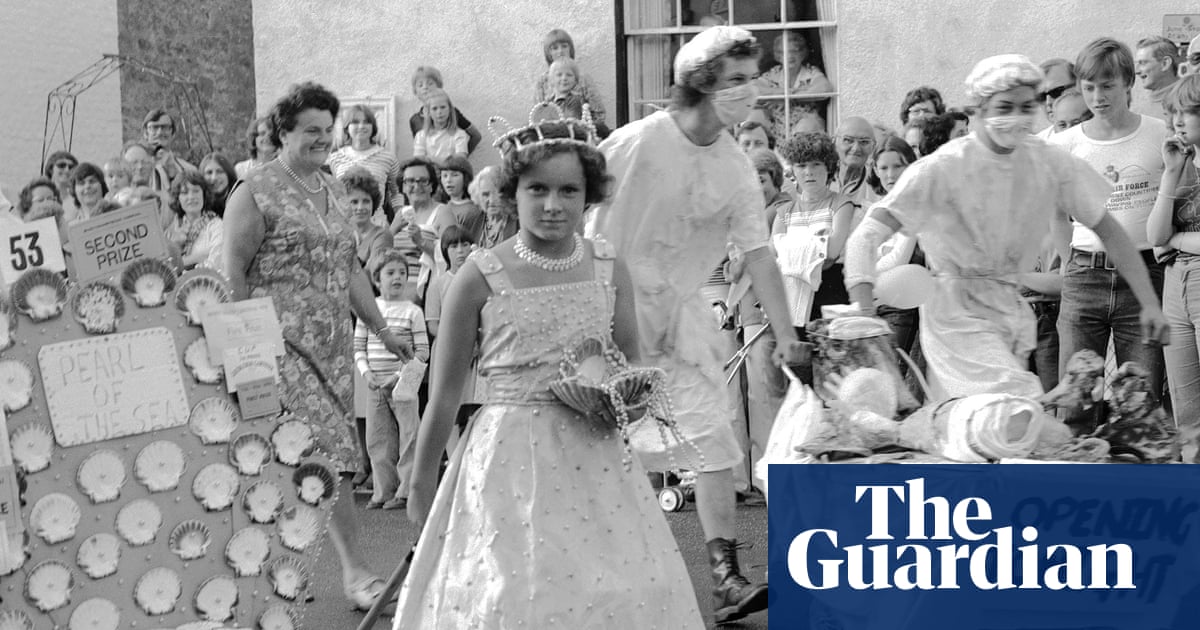
Pinelands Bowling Club Ladies, Cape Town, 1981 (Early Works)
Born in South Africa and now based in London, Jillian Edelstein has spent more than 40 years documenting people, communities and defining moments of contemporary history. Among People is her first major survey and includes a number of rarely seen early works, including this image, which reflects Edelstein’s longstanding interest in shared social spaces. Jillian Edelstein’s Among People is at Stills, Edinburgh, until 24 October 2026 as part of Edinburgh Art festival. All photographs: Jillian Edelstein/Stills Gallery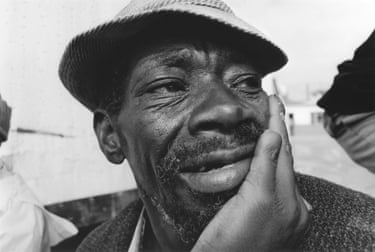
Local fisherman at Kalk Bay harbour, 1980-83 (Early Works)
Edelstein: ‘In Kalk Bay the fishermen and their families lived for years under what could be referred to as a “suspended sentence”. The government could not impose the Group Areas Act on the community because the fishermen needed to go out as early as 4am to net the fish for the daily catch. There was no transport system from the townships that would get them to the harbour so early in the morning. They had to allow the community – the “whites” and “coloured” – to co-exist side by side, as they had done for so many years’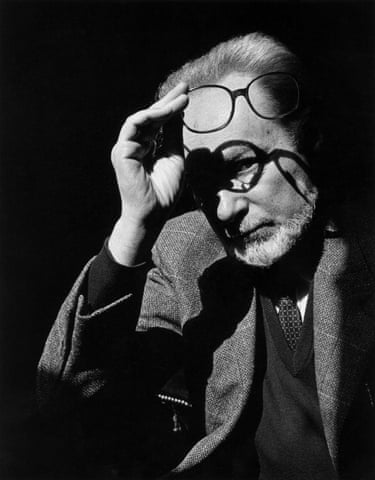
Primo Levi, 1986 (Portraits 1980s–Present)
Portraiture has been a constant thread throughout Edelstein’s career. Working across editorial commissions, personal projects and long-term documentary assignments, she has photographed artists, writers, performers, activists, Holocaust survivors, political leaders, friends and family members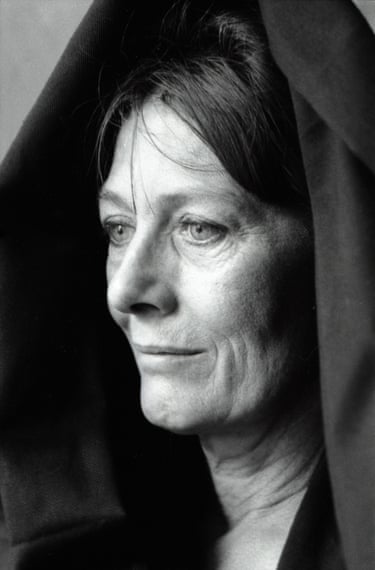
Vanessa Redgrave, London, 2008 (Portraits 1980s–Present)
Whether the sitter is internationally recognised or personally known to her, Edelstein approaches each portrait with the same attentiveness and curiosity. Her route into portrait photography emerged alongside her work as a photojournalist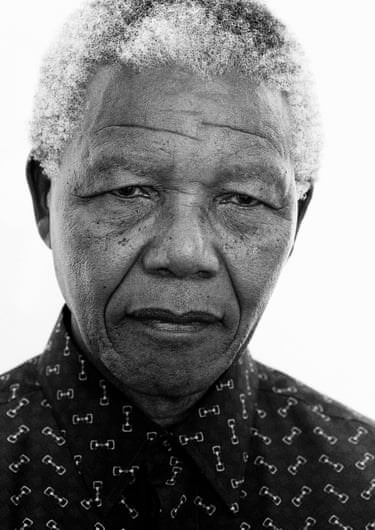
President Nelson Mandela, Tuynhuys (the presidential house), 1994-99 (Portraits 1980s–Present)
After beginning her career in South Africa, Edelstein moved to London where portrait and documentary photography developed side by side. Rather than constructing elaborate scenes, she often works within the spaces her subjects inhabit – a studio, a theatre, a workplace or a home – allowing the surroundings and the encounter itself to shape the image. Across these photographs there is a sense of empathy and connection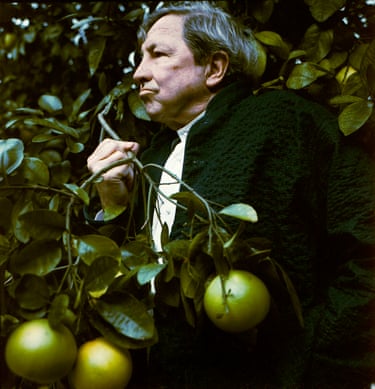
Robert Rauschenberg, 1993 (Portraits 1980s–Present)
Whether made for publication, a personal project or a long-term documentary series, the portraits reflect Edelstein’s interest in people and their stories. Taken together, they reveal a photographer whose work is grounded not in celebrity or status, but in a genuine curiosity about the lives of others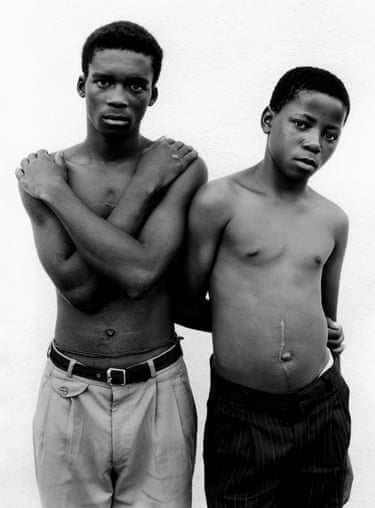
Thembinkosi Tshabe and Mxolisi Goboza, South Africa, 1997 (Truth and Lies 1996–2002)
Between 1996 and 2002, Edelstein returned repeatedly to South Africa to document the work of the Truth and Reconciliation Commission. Established after the end of apartheid, the commission invited victims and perpetrators of human rights abuses to give testimony as the country attempted to confront its past and imagine a shared future. This image shows two of the youngest victims to appear before the commission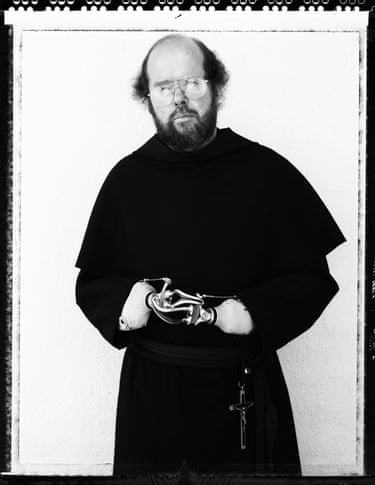
Father Lapsley, Cape Town, 1997 (Truth and Lies 1996–2002)
An ANC chaplain based in Lesotho after being deported from South Africa. His hands were blown off by a letter bomb sent to him by a government death squad. Travelling across South Africa, Edelstein photographed individuals who came forward to tell their stories, creating portraits that sit alongside accounts of loss, violence, survival and forgiveness. The resulting body of work was published as Truth and Lies in 2002, a powerful record of a society attempting to understand itself through truth-telling and testimony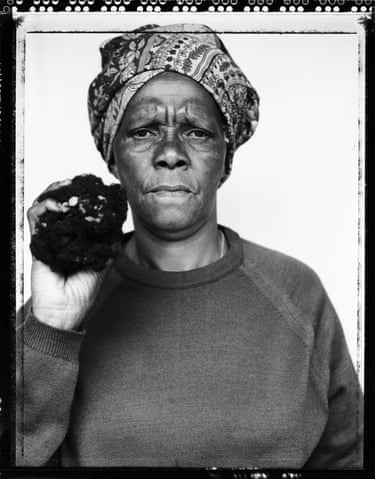
Joyce Mtimkulu, Zwide Port Elizabeth, 1997 (Truth and Lies 1996–2002)
This woman holds her dead son’s hair, which fell out when he was fed rat poison by the South African security police. She kept the hair for 20 years. She took it to the hearings in a black plastic bag so that it could be held up as evidence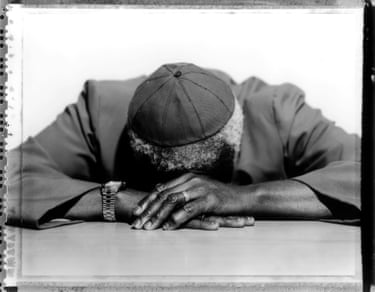
Bishop Desmond Tutu at the Truth Commission headquarters, Cape Town, 1999 (Truth and Lies 1996–2001)
Edelstein first met Archbishop Desmond Tutu, who chaired South Africa’s Truth and Reconciliation Commission, while working as a young press photographer in Johannesburg. She returned repeatedly to document the hearings. Hearing reports of Tutu weeping after testimonies describing torture under apartheid, she asked whether he would rest his head on his hands for the portrait. His response: ‘I am so tired. I don’t mind to put my head on my hands and rest a while for you’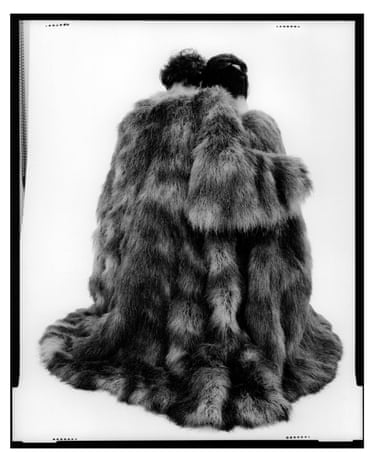
Grasscoats: Dan Harvey and Heather Ackroyd, London, 1992 (Affinities)
After moving to London in the early 1990s, Edelstein established an international reputation through editorial commissions for publications including the New Yorker, the New York Times magazine, Vanity Fair, Vogue and the Sunday Times magazine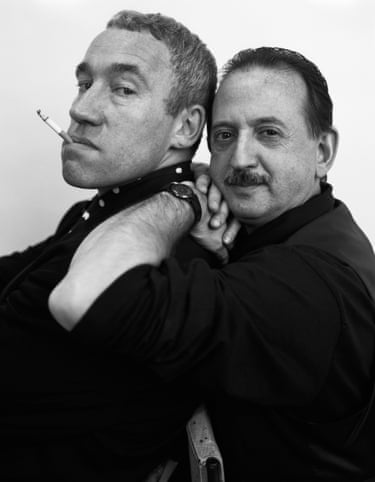
Actor Simon Callow and choreographer Stuart Hopps, London, 1991 (Affinities)
Through these assignments she photographed artists, writers, performers, activists and public figures, while continuing to approach portraiture through observation and personal connections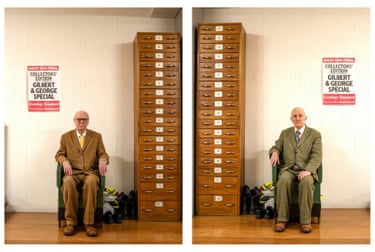
Gilbert & George, London, 2014 (Affinities)
Affinities is Edelstein’s long-running portrait series exploring creative and personal relationships between collaborators. Begun in the early 1990s, the series shifts portraiture away from the individual to consider shared creative identities and artistic exchange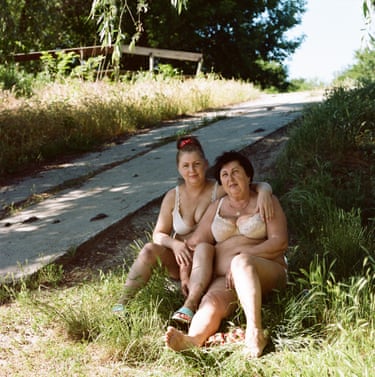
Mother and daughter, Vala Listopad and Victoria Marochka, outside Dnipro on the Dnieper River, 2018
When Jillian Edelstein turned 40 she came across an image of her great aunt Minna, of whose existence she had been unaware. The photograph of Minna became the catalyst for a journey to unearth her family history and the discovery of an unknown branch of her family living in Ukraine. Here and There documents Edelstein’s family odyssey and expands to encompass photographs made throughout her career, inextricably linked by the thread of human displacement. You can see more images here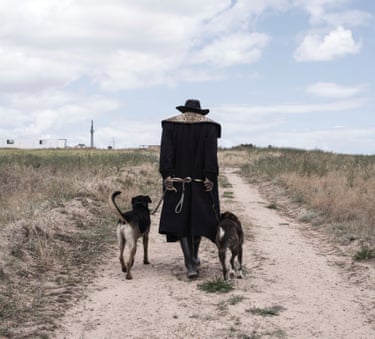
Local resident walking his dogs, between Stellenbosch and Franschoek, Western Cape, 2018
Curator Tracy Marshall-Grant: ‘Jillian Edelstein’s work has a remarkable ability to move between intimate human encounters and wider social histories. Across very different projects and decades, there is a consistent curiosity about people, relationships and community life. Among People brings together the breadth of her work for the first time and reveals the depth of her engagement with the people she photographs’Explore more on these topics