.png) 1 month ago
62
1 month ago
62
For eight days drifting alone in the vast Pacific Ocean, Junior Apiuta Apiuta battled towering waves, bitter cold and not knowing if he would ever see his family again.
Twice he was thrown into the ocean by huge swells that threatened to overwhelm him. “Big waves, way higher than the boat, slammed [me] from both sides … but I wasn’t scared because I never lost faith and stopped praying,” he says.
As Apiuta sat in his small fishing boat, with only a few supplies and that faith to keep him going, the fisher from a tiny atoll in the Cook Islands said the hardest part was not knowing where the ocean would take him. But he never believed he was finished.
“I didn’t lose hope. I just felt sad,” Apiuta says.
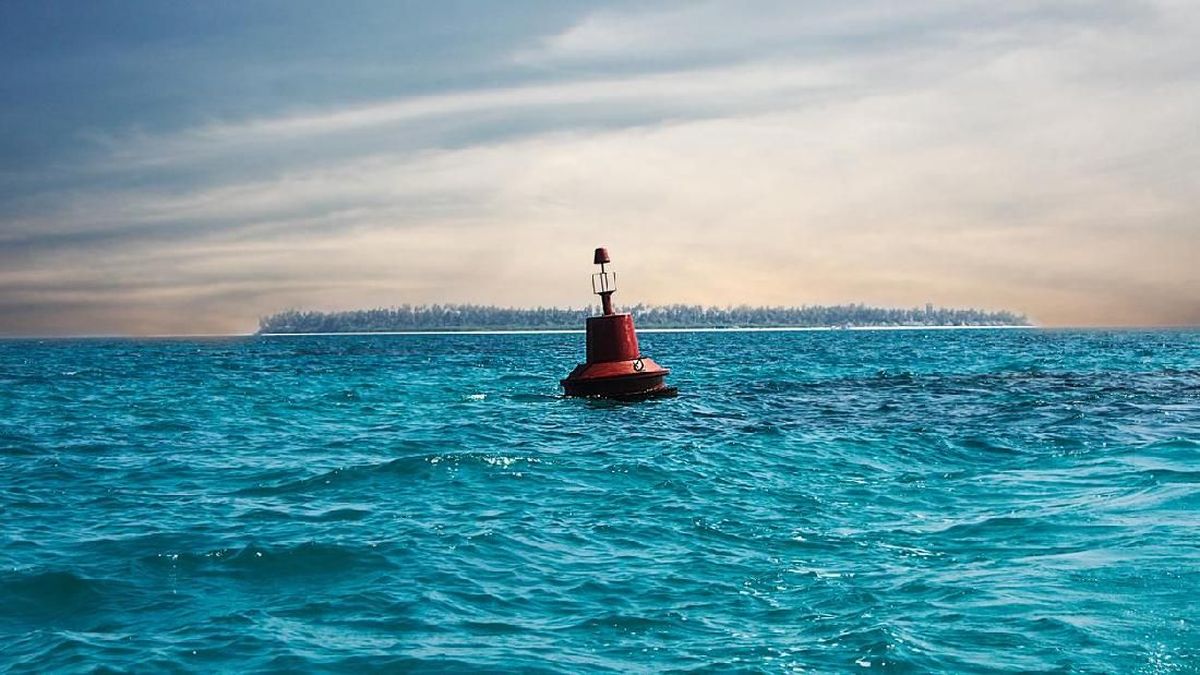
Apiuta was rescued on 18 June after his four-metre aluminium skiff suffered an engine failure on a solo fishing trip. He was eventually located by the New Zealand air force and later rescued by a Taiwanese fishing vessel.
His ordeal started on 11 June on his home island of Pukapuka, about 1,140km (708 miles) north-west of Rarotonga, halfway between New Zealand and Hawaii. After playing volleyball, he went home and prepared his fishing gear and headed out to sea.
The wind was strong, and he followed some birds flying above the water as it signalled fish were nearby. Not long after, his engine began to fail. It spluttered – “sounded like coughing” – cutting in and out. By that point he had reeled in a handful of fish but as darkness fell, the engine went dead. Apiuta didn’t have the tools to fix it and the wind was picking up.

“I thought, ‘should I jump in the water and swim to the island?’ I don’t think I would make it.” So he stayed on the boat.
Slowly, the lights on Pukapuka faded into the distance. That first night alone his mind was occupied with thoughts of what to do next and how to survive. “My first night wasn’t as bad as the next days that awaited me,” he says.
The next days that followed were the worst, he says, as he encountered raging seas, biting cold and constant rain. As waves crashed over him, Apiuta sat low down to stop himself from being swept away.
“The waves were huge,” he says. During the rough seas, all he could do was keep the boat balanced and bail out water that came inside.
He survived with what he had onboard: two bottles of water, a bucket, fishing gear, a chilly bin and a sheet.
He ate small pieces of raw fish he caught and collected rainwater in the bucket.
To protect himself from the cold, he used the sheet and chilly bin. “Night-time, I [couldn’t] do anything. I was freezing out there.”
Throughout the ordeal, he prayed. He asked for a sign – a fishing boat or yacht – anything that could bring help.
On the third day, after his evening prayer, he saw a light in the distance: a fishing vessel. The 42-year-old says he was “so happy” at the sight and paddled desperately towards it. But the wind pushed him away and the boat disappeared from view.
The days stretched on and he focused on conserving water, staying warm and keeping his boat afloat. On the eighth day, he heard a plane and the sky cleared. “I said to myself, ‘could be my rescue.’”
The New Zealand air force plane circled above, and alerted fishing vessels to move into the area to search for him.
A Taiwanese vessel approached, and Apiuta whistled until one of the crew heard him and shone a torch towards his boat. After seven nights and eight days alone, Apiuta was found.
Safely onboard he showered, ate and contacted his family. The first person he called was his partner. The first thing that came out of my mouth was, ‘Darling, I’m okay.’”
Apiuta was taken to New Zealand and will soon travel home. He says of course he will return to fishing, but with more caution.
“Don’t forget about your torch, life jacket. Don’t forget the raincoat. Say your prayer before you start going fishing.”