.png) 3 months ago
80
3 months ago
80
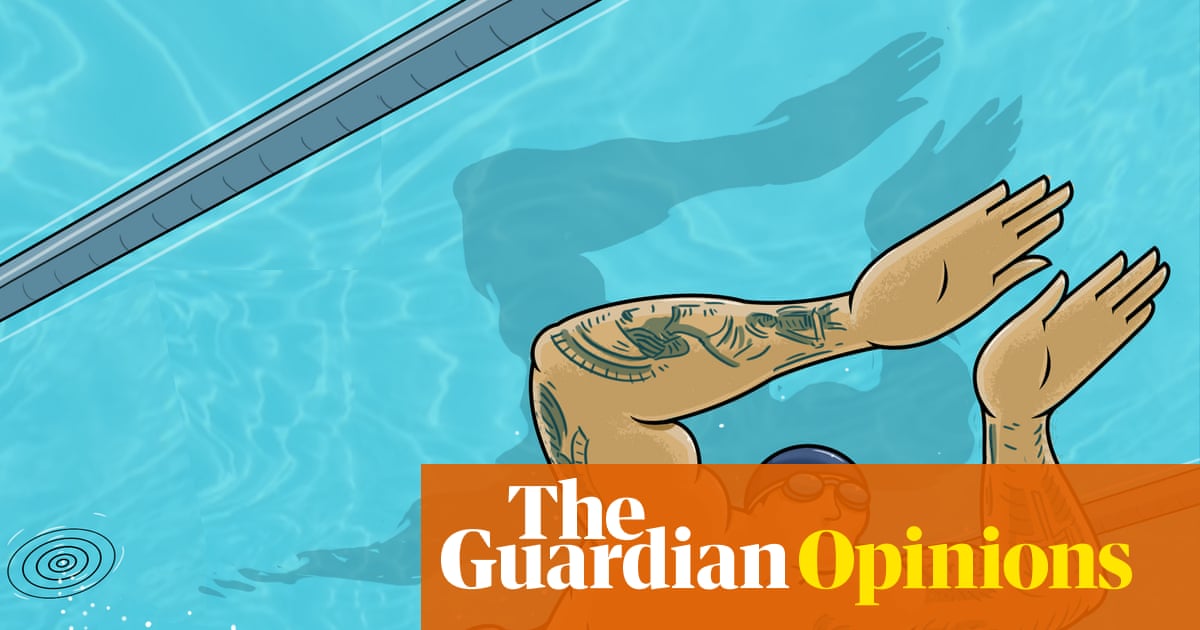
A boxing champion in prison in Iran is thought to be at imminent risk of execution after his request for a retrial was rejected by the country’s supreme court.
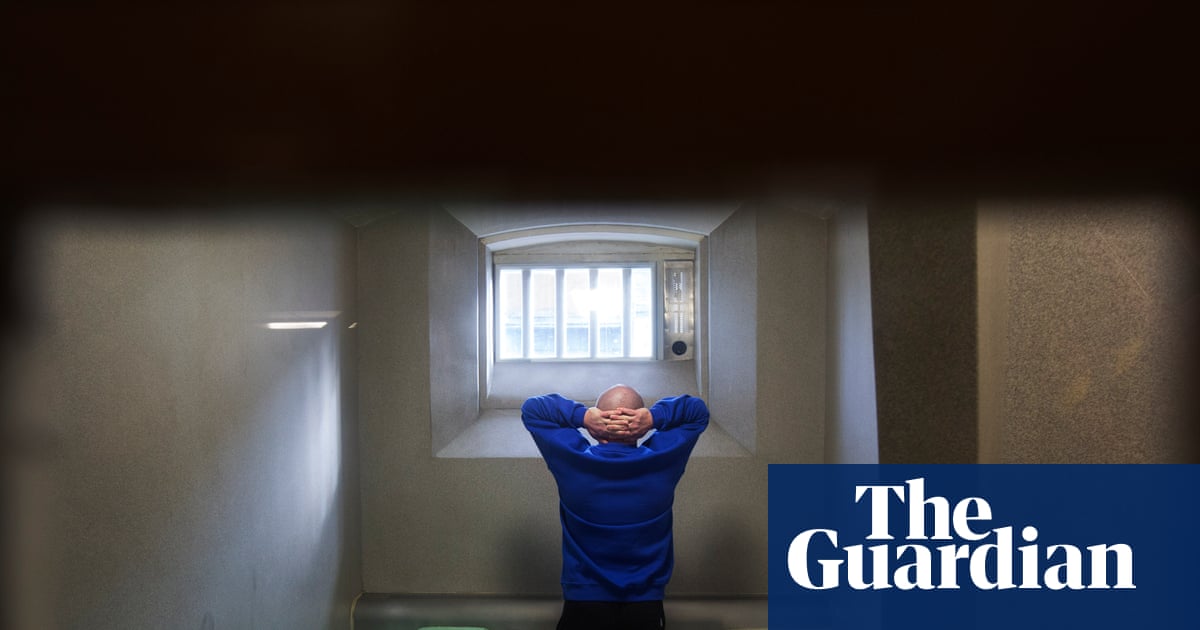
Mohammad Javad Vafaei Sani, 30, from Mashhad in north-east Iran was arrested in 2020 for taking part in nationwide democracy protests in 2019 and accused of supporting an opposition group, the People’s Mojahedin Organization of Iran (MEK). He has spent five years in prison, where he has been tortured and put in solitary confinement.
His request for a retrial was turned down on 15 December. On the same day, he was unexpectedly granted a visit from his mother, a move that campaigners believe could signal that he will soon be executed. She was told in a phone call from the prison that his case had been forwarded to the department for the implementation of sentences in Mashhad.
“His life is in grave danger, the execution of his death sentence could occur at any moment,” said Shahin Gobadi, of the foreign affairs committee of the National Council of Resistance of Iran, a coalition of opposition movements. “One has to keep in mind that in the past six years, the regime has used extensive torture and has tried hard to force him to renounce the MEK.”
Vafaei Sani was convicted of “corruption on Earth” and sentenced to death for a third time in September 2024 after “a grossly unfair trial”, according to Amnesty International. The supreme court upheld his death sentence on 4 October.
Nassim Papayianni, Amnesty International’s senior campaigner on Iran, called on the Iranian authorities to immediately halt any plans to carry out Vafaei Sani’s execution and quash his conviction and death sentence.
He said: “Amnesty International has repeatedly held that this charge does not meet the principles of legality and clarity as required by international law and standards. Our research has consistently shown that revolutionary courts lack independence and impose harsh sentences following grossly unfair trials. People tried before such courts are systematically denied their fair trial rights, including Vafaei Sani.”
In November, more than 20 Olympic medallists, coaches and other international athletes, including the tennis player Martina Navratilova and the swimmer Sharron Davies, signed a letter calling for a halt to the execution of Vafaei Sani.
In a subsequent statement, Mauricio Sulaimán Saldívar, president of the World Boxing Council (WBC), said: “Boxing is a discipline that inspires courage, respect and the pursuit of self-improvement, not a reason for political punishment. The execution of a boxer, of a champion, for expressing his ideas is a direct attack on the fundamental values of sport and human dignity.”
In 2023, more than 100 human rights experts and organisations wrote a letter to the UN high commissioner for human rights, Volker Türk, calling for action to prevent the athlete’s execution.
Iran has a history of executing athletes for their beliefs, including Habib Khabiri, captain of the national football team, in 1984, and Fourouzan Abdi, captain of the national women’s volleyball team, in 1988. In 2020, Navid Afkari, a 27-year-old Iranian wrestling champion, was also executed.
Executions are soaring in Iran, prompting growing international outrage. At least 1,000 people were executed in the country in the first nine months of 2025 – a 30-year high. The number is now believed to have surpassed 1,500, according to Iran Human Rights. Amnesty International, said there is an “execution crisis in Iran, which has reached horrific proportions”.
Political prisoners and dissidents are targets, especially in the aftermath of the 2022 Woman, Life, Freedom uprising. Experts say Iranian authorities are ramping up executions and using the death penalty to frighten and silence the population and tighten their grip on power.