.png) 3 months ago
78
3 months ago
78
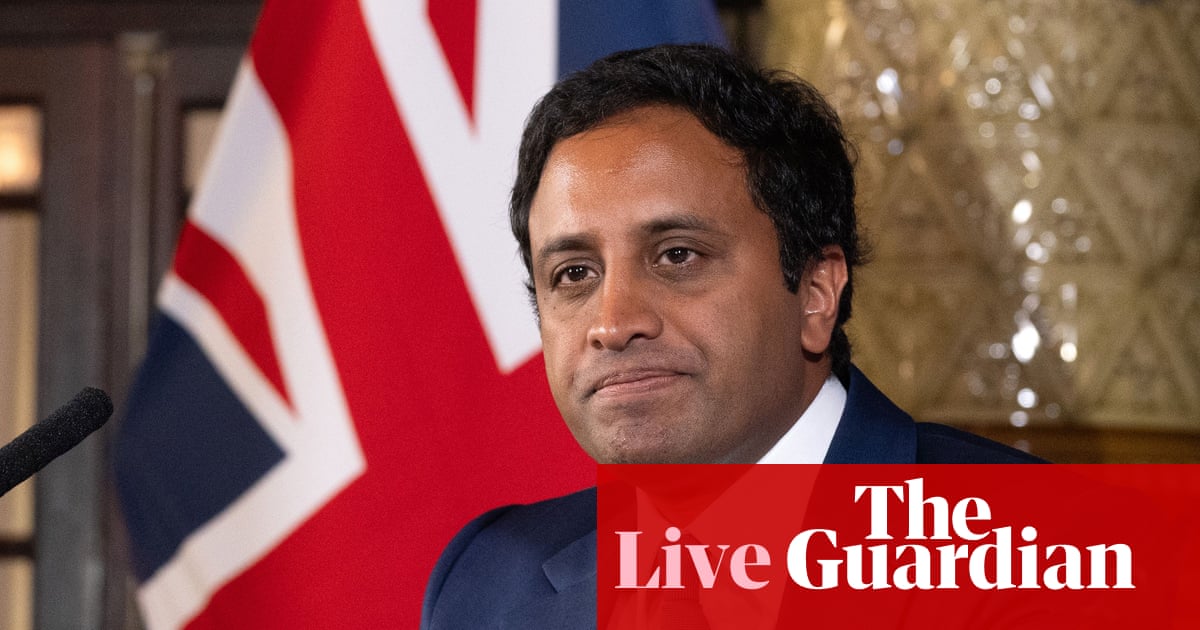
Keir Starmer has defended plans for the UK to align more closely with some EU rules without parliamentary votes, saying a closer relationship with Europe “is in the UK’s best interest”, particularly given the international turmoil over the Iran war.
Speaking to the BBC after the Guardian revealed that ministers were planning to use so-called Henry VIII powers to dynamically align with EU rules by default, Starmer argued that, nearly 10 years after the Brexit referendum, it was time to “look forward”.
A new bill on a food and drink trade deal with the EU will contain powers enabling the government to dynamically align with Europe where it has already made agreements. But it will also allow the UK to quickly implement evolving single market rules if it determines it is in the national interest, without having to face full parliamentary scrutiny each time.
Asked if this “integration with the EU by stealth”, the prime minister denied that MPs would be excluded, saying the changes would happen only “if parliament passes the legislation”.
He also defended the idea of leaning closer into Europe, given the global situation, saying: “We’re in a world where there’s massive conflict, great uncertainty, and I strongly believe the UK’s best interests are in a stronger, closer relationship with Europe, whether that’s defence and security, of course; energy, I think, inevitably; and also our economy.”
The planned legislation was “trying to make trade easier so there are less burdens for businesses”, Starmer said, adding: “That, of course, translates into lower prices, particularly with the deal we’ve got with the EU. This is predominantly food and agricultural prices, which I think most people would say – whatever we could do to get those prices down is a step in the right direction.”
The Conservatives have condemned the plans, with the shadow business secretary, Andrew Griffith, saying Starmer was unable to accept the decision of the 2016 referendum, with parliament “reduced to a spectator while Brussels sets the terms”.
Nigel Farage, the Reform UK leader, called the idea “a backdoor attempt to drag Britain back under European Union control”.
But building on recently more open pro-European comments by the government, Starmer argued that opponents of the plans needed to recognise that the world had changed.
“I think it’s also a sense, 10 years on from the Brexit referendum, that we’ve got to look forward now, not backwards,” the prime minister said. “Let’s not just have all the old arguments of the last decade.
“Let’s go forward and recognise that a stronger, closer relationship with Europe is in the UK’s best interest, particularly in a world that is as volatile as it is.”
Under the proposed bill, ministers are planning to argue that the move will add billions to the UK economy, temper the cost of the Iran conflict and boost sluggish productivity.
The Guardian understands that if the bill – expected to be introduced before the summer – is passed, negotiators could seek to adopt EU rules on everything from cars to farming using secondary legislation.
Parliament can either approve or reject secondary legislation but cannot amend it, which would probably mean MPs will “rubber-stamp” new deals rather than debate and vote on every one. Any blocking votes would be likely to cause issues with the EU, and could spark retaliatory action. A source said: “We are clear parliament will have a role for new deals and on new EU laws applying under those deals.”
A government insider said: “We expect a fight in this area from those who were in favour of leaving the EU on the harshest terms. They will scream treason but the reality is that all international agreements involve shared rules.
“The boldest free traders and conservatives have always been pragmatists. But Nigel Farage is too cowardly to take it on; you can’t picture him doing any deal-making with the EU at all.”