.png) 3 months ago
75
3 months ago
75
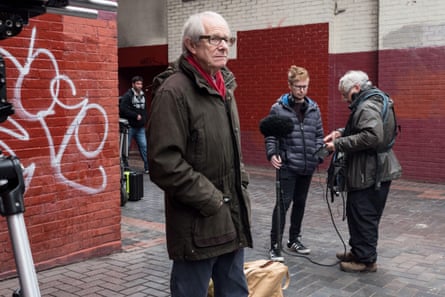
Ken Loach, director
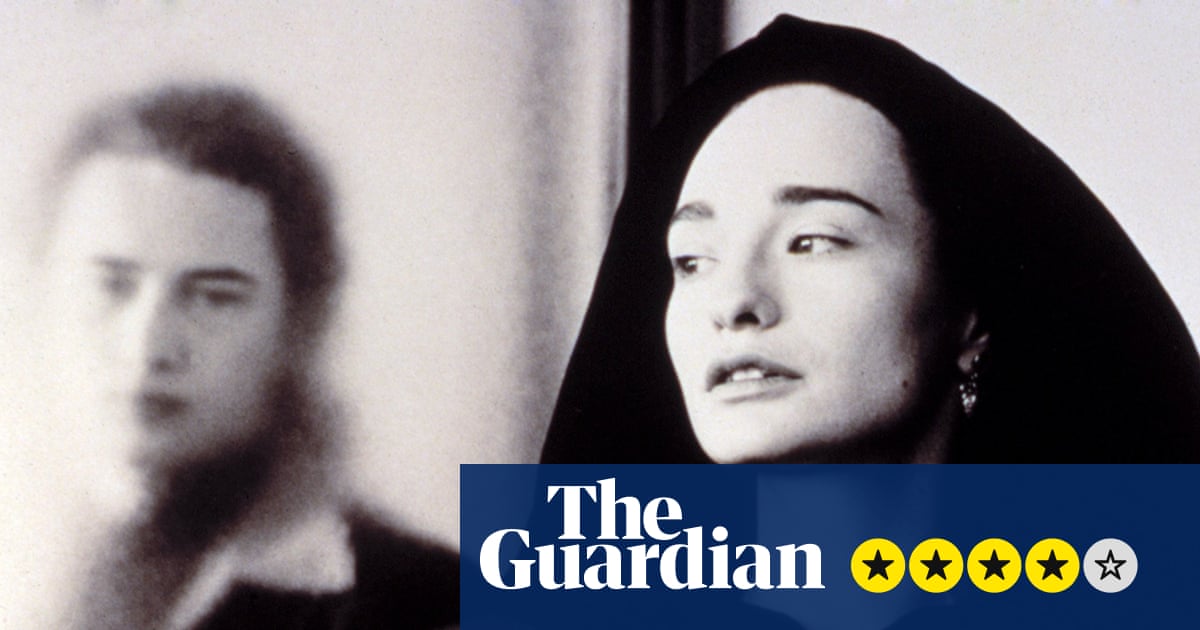
In 2016, we were – as we continue to be – in a time of mean-spiritedness. If you were vulnerable or needed support, you were met with punishment, and there was a constant vilifying of people who needed help. I, Daniel Blake was based on that. It’s very much a film about the cruelty of the system that says: “Poverty is the fault of the poor. You’re not striving enough. You’re not doing enough job interviews.” Dave Johns’ character, Daniel Blake, shows us this. He needs to work, he wants to work, but the system makes it hard for people not to be tripped up.
Paul Laverty, our screenwriter, did detailed research for the script. We visited one lad in a flat: there was nothing in the room apart from a fridge and a mattress. We chatted for a bit, then Paul said: “Do you mind sharing what’s in your fridge?” There was nothing in there. Paul asked: “When did you eat last?” He said: “Two or three days ago.” It took our breath away.
Before shooting, I begin every project thinking: “I don’t know how to do this.” Which I think is important, because you’ve got to go back to basic principles every time. We cast Hayley Squires as Katie because of her authenticity, truth, belief and warmth. You can tick all those boxes, but you’ve also got to feel that the audience will care about this person. That’s an intangible quality.
The food bank scene [when desperately hungry Katie pours baked beans into her hand from a tin and eats them cold] came from a real story Paul heard at a Glasgow food bank. I had a sense this had to be an emotional high point of the film. But the moment you say, “It’s got to be this, this and this” to anyone, you kill it. I had to minimise it. So Hayley was the only one who knew what was going to happen. We shot the scene twice – the feelings are so intense, it’s very difficult to do more than once. We used the first take. At the time, we tried to make a film asking whether food banks are tolerable. Now they’re an institution in society. It’s extraordinary that we accept that people will starve unless they get food from a charity. That was simply unimaginable a year or two before we made the film.
When I, Daniel Blake came out, the Tory minister Damian Green said: “It is a work of fiction.” Obviously the characters are fictional, but all the stories are true, the essence is true – and that’s what they didn’t want to face.
Hayley Squires, played Katie
My agent said Ken was meeting people for a new film. I jumped at the chance. At first we sat and talked about me and my life. I was quite nervous – I grew up watching his films. He told me a bit about this one, about how Katie becomes homeless in London because of the way the landlord behaves and is told she can have a place in Newcastle – and that if she refuses it, she’ll become “voluntarily homeless”, which was happening at the time.
Dave and I weren’t reading from a script, during the auditions in Newcastle. Ken would say: “I’ve told you about the character, and this is the topic of conversation and the destination.” And we’d just kind of get there. On the way home, I called my mate and said: “Well, I messed that up!”
During the shoot, we were given pages a day or two in advance, and we worked chronologically. I knew at some point Katie would fall into real hardship and hunger, and have to make difficult decisions, but I didn’t know the ending. Shooting this way meant you had to give yourself over to it – if you resist it, it falls apart. But it felt like being part of a gang for six weeks, which was really nice.
I found out about the food bank scene four days beforehand. I’d already been slightly cutting back on food as we went. Nobody asked me to do that, it was more about knowing what hunger does to your mind and body – it creates a certain level of exhaustion and panic that I knew would be helpful. I went to the food bank a couple of days before shooting and chatted to a very bright, very vulnerable lady who was using it. I came away with a sense of responsibility about what we were doing. We needed to get it – in the most truthful way.
I was very quiet that morning. Ken and I did a walk-around, whispering to each other. It felt like a shared secret. And it worked. It felt very, very real. Everyone gave in to what we were all trying to do. What’s lovely about that scene is that people have empathy. The way Ken set it up – and the way the cinematographer Robbie Ryan shot it – allowed for the empathy to come out.