.png) 3 months ago
52
3 months ago
52
Oil prices have tumbled from four-year highs, capping an extraordinary 24 hours in global markets and prompting global stocks to rebound after Donald Trump suggested the US-Israel war on Iran could end “very soon”.
Brent crude, the international benchmark, surged as high as $119.50 a barrel on Monday as the Middle East conflict intensified fears of a deepening energy supply crisis.
Trump sought to play down this remarkable increase, claiming that oil prices had risen “probably less than I thought they’d go up”, while moving swiftly to reassure investors.
Brent fell to about $91.70 a barrel after the US president described the war on Iran as “very complete, pretty much” in an interview with CBS News on Monday evening.
The FTSE 100 opened higher on Tuesday, about 1.4% up in early trading, in response to the update, as traders’ concerns over the potential for a longer-term conflict in the region were eased.
European markets also rose, with the Stoxx Europe 600, which tracks the biggest companies across the continent, up 1.5%.
Matt Britzman, a senior equity analyst at Hargreaves Lansdown, said: “What initially looked like a one-way surge in energy costs and the inflation headaches that come with it has started to stabilise, offering some much-needed breathing room.”
The rebound followed an overnight rally in Asia, which has been one of the most exposed regions to higher energy prices. Japan’s Nikkei 225 share index rose by 2.5%, while South Korea’s Kospi jumped 6%. Hong Kong’s Hang Seng index closed up by 2%.
While markets responded positively to Trump’s speech, the president also made some remarks that suggesting the conflict would continue. “We have won in many ways,” he said. “But not enough.”
He wrote on social media: “If Iran does anything that stops the flow of Oil within the Strait of Hormuz, they will be hit by the United States of America TWENTY TIMES HARDER than they have been hit thus far.”
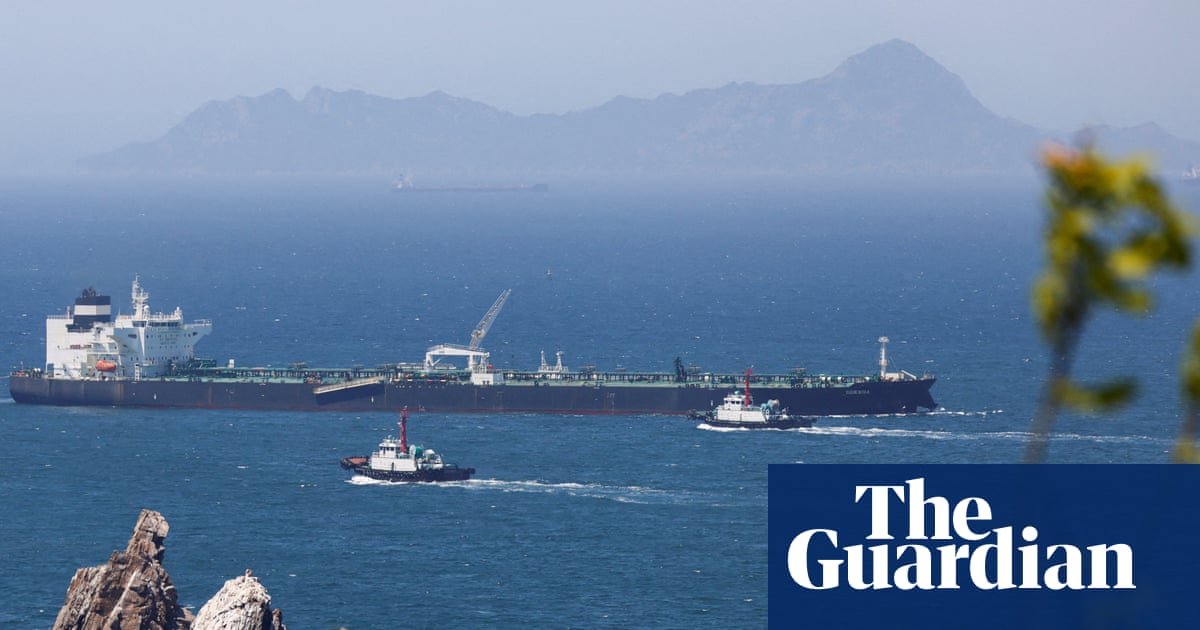
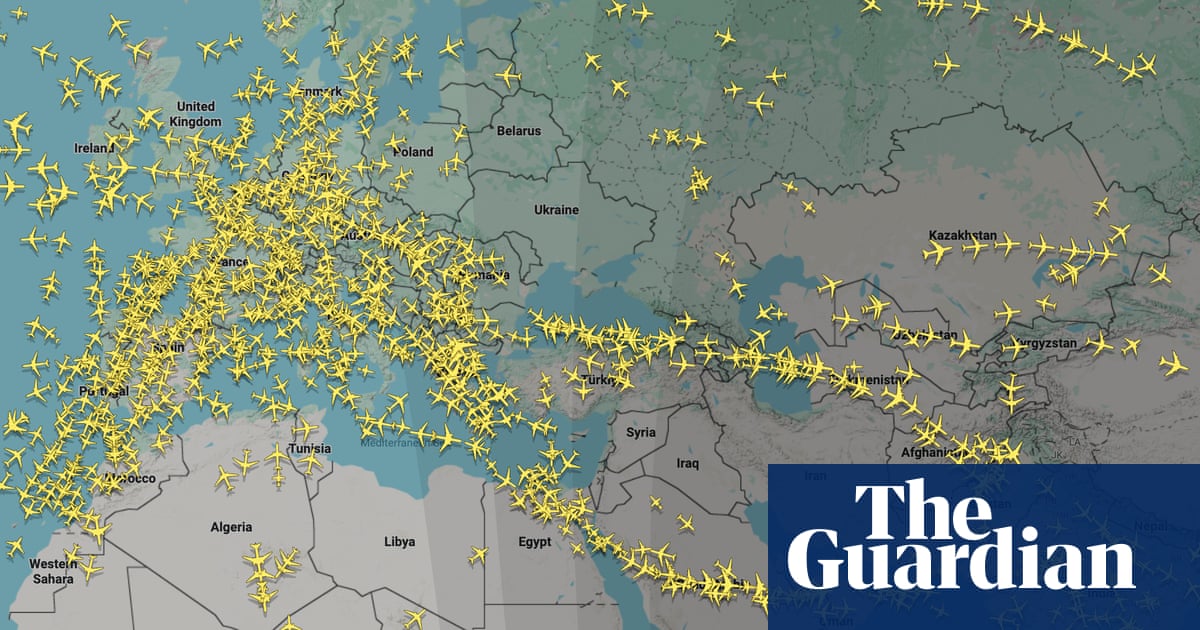
About a fifth of global oil and seaborne gas tankers typically pass through the strait, which has already in effect been closed for a week, heightening concerns over energy supplies which have propelled prices higher.
Tehran declared that it would not allow “one litre of oil” to be exported from the region if US and Israeli attacks continue, Iranian state media reported on Tuesday, citing a spokesperson for the regime’s Revolutionary Guards.
The French president, Emmanuel Macron, indicated on Monday that several countries could deploy ships to “escort” container ships and tankers in a bid to shore up the vital trade route once “the most intense phase of the conflict” was over.
Trump also said Washington would waive some oil-related sanctions in a bid to ease shortages. While he did not mention Russia by name, the disclosure was made shortly after Trump spoke with Vladimir Putin, the country’s president. Such a move would risk complicating US efforts to punish Moscow for its war on Ukraine.
“We have sanctions on some countries,” Trump told reporters. “We’re going to take those sanctions off until the strait is up.”
The Trump administration last week permitted Indian refiners to temporarily buy Russian oil for 30 days – just a month after Trump claimed India had agreed to stop purchasing it, in a shift that he said would “help END THE WAR in Ukraine” by cutting off a viital source of funds for Russia.
While global oil prices have dropped from Monday’s peaks, they continue to trade at about 25% higher than levels than just a few weeks ago before the conflict began.
Susannah Streeter, the chief investment strategist at Wealth Club, said the picture for financial markets remained unclear and that “worry is still percolating”.
“Until a longer‑term resolution is found, companies and consumers are still set to pay the price for the attack by the US and Israel on Iran.”
Apprehension over elevated fuel costs, and uncertainty over supplies, prompted governments across Europe and Asia to take action. Croatia, Hungary, South Korea and Thailand have imposed price caps on fuel in recent days to mitigate the threat of shortages.
The Philippines ordered public officials to cut back on air conditioning usage and reduce travel last week. Bangladesh also moved to close all universities, bringing forward the Eid al-Fitr holidays as part of emergency measures to conserve electricity and fuel.