.png) 3 months ago
79
3 months ago
79
Up in the driver’s seat of a lime green CLAAS tractor, a young man called Dylan told me he was the second tractor to arrive on O’Connell Street, Dublin’s main street, for fuel protests that would bring Ireland to a standstill for nearly a week. The tractor in front of him, belonging to his boss, had a sign warning “No Farms, No Food”. The 19-year-old agricultural contract worker sat with two friends, young women of 16 and 17, out to support him. He had slept nights in the tractor in the biting April cold, along with many other farmers, fishers and truckers whose vehicles lined both sides of the street.
“It’s profit before people,” Dylan said of campaigners’ complaints about the government’s levying of 60% in duties and taxes on fuel continuing during a crisis. “It’s affecting everyone – it’s affecting our businesses, it’s affecting yourselves if you’re running a car or heating your house. Eventually if we don’t get what we want, it’s going to start affecting the price of food on the shelves and no one is going to be able to afford anything.”
The illegal war on Iran, as the Irish president rightly decried it, shows no sign of ending soon. The resulting oil price shock is now laying bare Ireland’s acute dependency on fossil fuels, on road transport and on a volatile global supply system – as well as successive governments’ failure to plan ahead for a just transition to clean energy.
For six days the fuel protesters blocked motorways and ports and blockaded Ireland’s only oil refinery in County Cork, as well as fuel depots in Limerick and Galway. By Friday, petrol stations were starting to run dry. While government ministers vilified the protests as “wrong” and a threat to national security and critical supplies – the justice minister threatened to send the army in – on the streets of the capital I saw little but solidarity and support. A Dublin woman turned up with a bag of sandwiches, telling the young people in the tractor to “keep going”. A survey published on Sunday showed 56% of people support the protesters.
O’Connell Street is named in honour of Daniel O’Connell, a 19th-century nationalist known as the liberator, who convened “monster meetings” of protesters demanding non-violent reform. Tractors flying tricolours parked outside buildings still marked with bullets from the 1916 Easter Rising against British rule, a direct action that was initially unpopular for the disruption it caused. One lorry had a coffin painted with “RIP Ireland” and in the front window placards declaring “Easter 2026”.
Yet I listened to a caller on national radio who acknowledged that yes, people were struggling to heat their homes or feared for their futures – but couldn’t they protest differently, take over one side of a road? Others were understandably concerned about vulnerable people prevented by the blockades from getting to hospital appointments or chemotherapy. But the protest only made an impact and international headlines because of direct action. The idea that grassroots protest has to be passive and led by “recognised” organisations – or even be always coherent in its goals – reveals a limited understanding of democracy.
In the early hours of Sunday morning, faced with the arrival of mounted units and riot police, the tractors and trucks agreed to move off O’Connell Street peacefully. After days of refusing to talk to the fuel protesters, the government announced concessions worth €500m (on top of an earlier package worth €250m), with cuts to excise duty and potential delays to a carbon tax rise. Direct action achieved it.
A no-confidence vote called for Tuesday is unlikely to dislodge the coalition of centre-right Fianna Fáil and Fine Gael parties, despite mounting criticism of their mishandling of the crisis. The young tractor driver I spoke to wasn’t old enough to vote during the last general election. But neither he nor anyone I spoke to at the protest has any faith in political parties.
It is hardly surprising, amid a vacuum of trust in political power and traditional representative groups, that grassroots protests – motivated by desperation at a 20% rise in fuel prices since last month) – were complicated by agitators on social media and the ecosystem of disinformation. Government policies have deepened inequality during years of unprecedented wealth generation in Ireland, laying the ground for a far-right fringe that scapegoats migrants and refugees for a housing and cost of living crisis created by a failure to ensure that people’s basic needs are affordable.
There were speakers at the fuel protest in Dublin known for promoting anti-immigrant conspiracies, as well as for misogynist, violent rhetoric, such as talking about Irish women needing to “breed” more. It emerged that one of the protest spokespeople has convictions for cruelty and neglect of farm animals.
The Muslim Sisters of Éire, an organisation which has provided a soup run for homeless people on O’Connell Street for years, described being told on Friday night, to “go home” by individuals waving Irish flags and that the country was “only for the Irish”. The women stressed that they still supported the fuel protesters’ objectives but noted that this was the most “xenophobic rhetoric” they had experienced in their years helping people.
But to ignore the genuine concerns of so many workers afraid of losing everything because of agitators trying to profit off the momentum is to play into the hands of those who want to achieve power through division.
“How can we be far right?” Dylan asked. For him the protest was “solely about the price of fuel”. But he witnessed attempts to co-opt it, with an anti-immigration demonstration making him and others “fearing for ourselves, thinking this was going to make the guards [police] turn on everybody” when it had “nothing to do with us”. Dehumanising and dismissing people like Dylan, which has been part of the response, is a losing game for everyone.
Climate justice relies on more equality and a fair transition away from fossil fuels. In 2024 the electricity usage of data centres in Ireland overtook that of all urban homes combined, green energy gains feeding big tech companies headquartered here for low corporation tax.
We can’t sustainably change how we produce food and move goods, or our reliance on fossil fuels and imports, by pushing working people to the brink while serving corporate interests. While Ireland will lobby the EU to reduce or stall the carbon tax element of the burden, it should also join countries like Spain pushing for EU agreement to tax the oil and gas industries that are making massive profits from the Iran crisis.
Beyond the price of fuel, these protests raise urgent questions about over-reliance on increasingly fragile global markets. Ireland imports more than 80% of its fruit and vegetables, while many of the farmers at the protests export the food they harvest.
We have to change our fatal dependence on fossil fuels – but lasting change can’t be enforced through suffering and inequality.
-
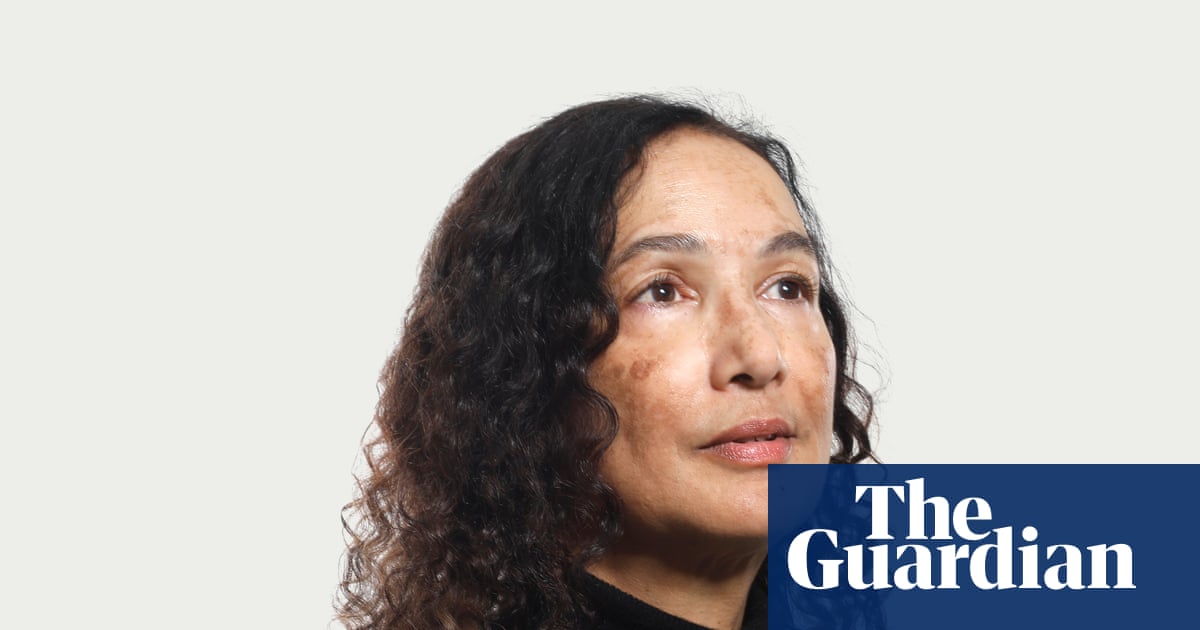
Caelainn Hogan is a journalist and the author of Republic of Shame