.png) 2 hours ago
5
2 hours ago
5
And another one goes. Dublin-based DCC Energy is a lower-profile member of the FTSE 100, but they all count. We’re now at five completed or agreed takeovers within London’s leading index this year – and it’s still only July.
The subplot at DCC was vocal opposition from a few shareholders who thought the private equity groups KKR and Energy Capital Partners, a unit of Bridgepoint, should be paying more than the £5.75bn, or £65.25 a share, at which the board has rolled over. Fidelity International and Aviva Investors were to the fore, as well as DCC’s founder.
The resistance movement had good points. DCC seems to be executing, roughly on time and on budget, the eight-year strategy it adopted in 2022 to double operating profits to £830m by 2030 by slimming down to its core energy operations.
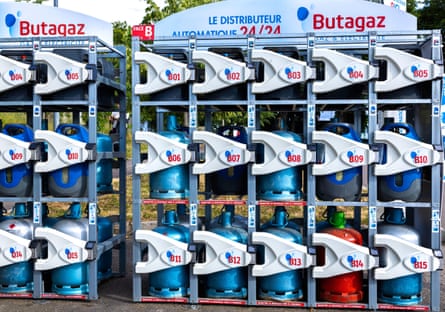
The core comprises old-school petrol stations and liquid gas distribution networks across Europe, plus a growing clean energy services division that installs solar panels and suchlike. DCC, in other words, is an energy transition play with a mix of old and reliable cash earners and newer growth assets – the sort of thing the market, in theory, ought to like. About 35% of the required growth in operating profits has been achieved, and the board says it “remains confident” in the 2030 ambition.
So why sell at anything less than top dollar? Neither the 24% premium on the pre-action share price, nor the 36% cited as the boost to the 12-month rolling average, scream unmissable value.
Fidelity International’s Alex Wright said at the start of this month he wouldn’t accept less than £70 a share and laid out his reasons: DCC’s attractive returns on capital; the scope for growth through acquisitions; pricing power in a consolidating market; share buybacks to boost earnings per share; overdone fears about the structural decline of the fossil fuel distribution business; and the potential to scale up the renewable energy activities.
DCC management’s explanation for acceptance was the standard one about “a compelling and certain opportunity for DCC Energy shareholders to realise value in cash today”. Well, yes, there is always “execution risk” in any strategy. But the revealing bit was the long grumble about the difficulty of finding new investors.
“The DCC Energy shareholder register has become more concentrated in recent years and the number of market participants that have engaged in the story has reduced over time,” the company said. Feedback suggested “exposure to low-volume growth end markets” – in other words, petrol stations and gas distribution – “weighs on perceived terminal value and, in turn, DCC Energy’s trading multiple”.
DCC managed to tickle up the bidders in stages from £58 a share initially to £65.25 (or almost £68 if one includes an already-paid dividend plus a contingent 125p that depends on a remaining technology business being sold at a good price), so one can’t say the board has not negotiated hard. The chief executive, Donal Murphy, is almost certainly correct when he predicts the majority of shareholders will vote in favour.
after newsletter promotion
But the basic plot here is yet another bad advert for London in terms of risk-taking and depth of capital. In short, a couple of private equity firms, via their infrastructure funds, are willing to take a far longer-term view of DCC’s prospects than public market investors (with honourable exceptions) will.
The story isn’t new – most all-cash bids succeed – but a newly depressing feature is the regularity. Last week it was Segro, the warehouse landlord, falling to a bigger US rival for £14bn. The broker Peel Hunt calculated 154 bids for UK companies with a market value of more than £100m, equating to £165bn of stock market capitalisation, since the start of 2023. They’re not all private equity deals, of course – but London is the buyout brigade’s happiest hunting ground. In the meantime, arrivals on the London market have dried to a trickle.
In a different world, the shrinking of the UK stock market, and thus soft political power on a global stage, would be causing alarm in Westminster. Sadly, the political class either hasn’t noticed or isn’t bothered. They’ll regret it one day.