.png) 3 hours ago
6
3 hours ago
6
At Womad, opening at new home Neston Park after a year off in 2025, the boundary between spectator and performer dissolves entirely: you bump into headliners in the loo queue, spot them wandering the site with their kids, or sit in on an intimate panel discussion with them hours after their main-stage set. Phone signal is practically nonexistent at the new site, forcing a crowd reliant on group chats into analogue meet-ups; the new arboretum layout holds a cosier, village-like setup than before, complete with a mercifully shorter trek from all camping areas. You can start the morning at your own speed: pounding through a west African djembe workshop, joining “laughing yoga”, or relaxing in a wood-fired tub while distant basslines echo through the trees.
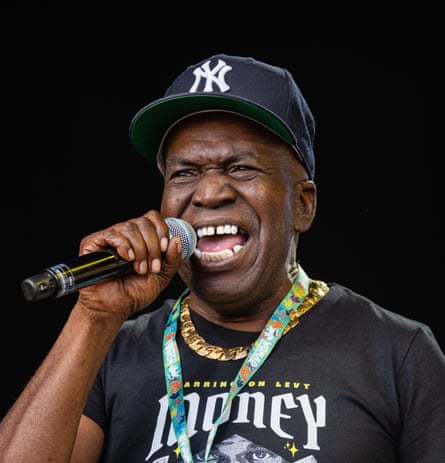
Musical highlights often happen when artists go off-script. Reggae legend Barrington Levy provides Friday’s standout moment by rejecting strict act times, turning to the side of the stage to deliver a blunt ultimatum: “Mr Promoter, don’t invite me to your festival and tell me to get off the stage. I’m fucking playing as long as I like.” The crowd back him and he stays, launching back into Black Roses and Here I Come, his star power locking in a crowd of nodding, fist-pumping seniors, families, and kids getting a proper musical education.
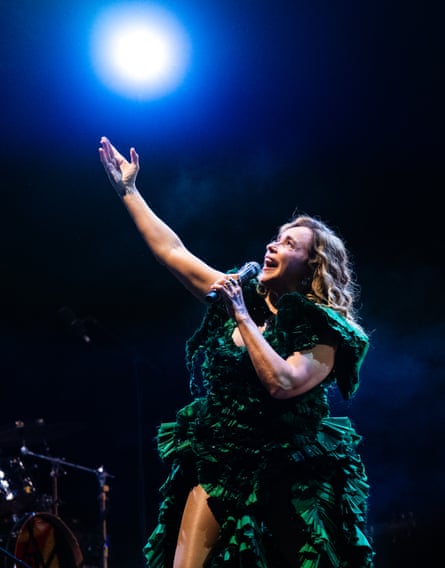
Greentea Peng closes Friday with a sultry set, backed by an all-female brass section who sound remarkably tight despite having rehearsed only the night before. For sheer stagecraft, though, Brazilian singer Daniela Mercury dominates. Against visuals of favelas and Indigenous tribes raising awareness for conservation, her set is a fierce political charge, and she calls out for democracy before signing off with Michael Jackson’s They Don’t Care About Us.
That political edge runs straight through the weekend. The festival’s talks stage directly confronts political instability and the rise of rightwing populism; Green Party leader Zack Polanski draws a packed tent as he details arms sales and a call for rent controls while The Lincoln Project’s unbarred Rick Wilson dismantles the mechanics of Maga.
Across the music stages, that message takes the form of a shared plea for peace and solidarity. At Taste the World, Freshlyground cook a chicken and peanut curry while sharing memories of performing Waka Waka at the 2010 World Cup. The Garifuna Collective bring ancestral grooves from Belize, reminding the crowd that after four songs, “we’re not strangers any more, we’re family.” On Sunday, Oumou Sangaré commands the main stage with simple messages of unity: “Love is better, no war”, before teasing women to stay away from handsome, fast-talking playboys on Kamelemba.
Hidden gems are found by wandering into smaller tents, where artists hold crowds in cult-like fixation. At the Sunflower tent, 83-year-old Aboriginal Australian elder Kankawa Nagarra delivers spellbinding desert blues and gospel; on the Village Stage, Sabine McCalla’s vocals feel entirely detached from time, howling mid-song like her dog to an unblinking audience.
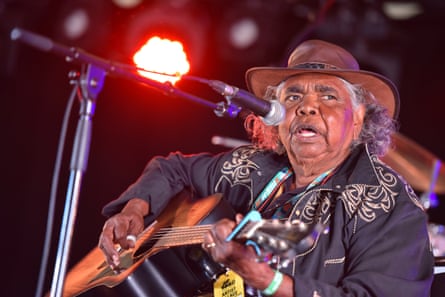
Minor structural snags remain, such as the low stages at workshops, which mean anyone past the sixth row has to blindly mirror the person ahead of them during dance and yoga classes – but flailing limbs aside, it’s accepted as part of the fun.
The festival’s longevity is anchored in its community, from stallholders like Marina at Ghana Goods (22 years and counting) to adults who first arrived in prams, now carting their own kids about. Japanese outfit Seppuku Pistols sum up the festival’s chaotic energy, determination and passion: one band member breaks their ankle mid-show but doesn’t realise and adrenaline keeps them going, with a similarly unaware crowd chanting “one more tune!” for two solid minutes after they’ve finished.