.png) 3 months ago
70
3 months ago
70
Taking paracetamol in pregnancy does not increase the chance that the child will be autistic, or have ADHD or an intellectual disability, a “gold standard” review of the evidence has found.
The findings debunk Donald Trump’s claims last September that the painkiller causes autism, which were condemned by medical, women’s health and scientific organisations around the world.
The US president’s remarks triggered anxiety among pregnant women because paracetamol is the drug that health authorities worldwide recommend they use to treat pain, such as headaches, and fevers.
“This systematic review and meta-analysis found no evidence that maternal paracetamol use during pregnancy increases the risk of autism spectrum disorder, ADHD or intellectual disability among children”, says the study, which is published in the Lancet Obstetrics, Gynaecology and Women’s Health.
It has been undertaken by a team of seven researchers from across Europe, led by Asma Khalil, a professor of obstetrics and maternal fetal medicine at City St George’s, University of London, who is also a consultant obstetrician at St George’s hospital in London.
Their appraisal of 43 previous studies on the subject constitutes “the most rigorous analysis of the evidence to date”, they say. Papers they examined that compared health outcomes among children born to the same mother included 262,852 under-18s who had been assessed for autism, 335,255 assessed for ADHD and 406,681 assessed for intellectual disability.
Khalil said: “The message is clear: paracetamol remains a safe option during pregnancy when taken as guided. This is important as paracetamol is the first-line medication we recommend for pregnant women in pain or with a fever, and so they should feel reassured that they still have a safe option to relieve them of their symptoms.”
Without naming Trump, the researchers categorically refute his remarks. They “hope that this gold-standard review will put an end to any scepticism on using paracetamol during pregnancy as avoiding paracetamol for significant pain or fever can expose both mother and baby to known risks, particularly untreated maternal fever”.
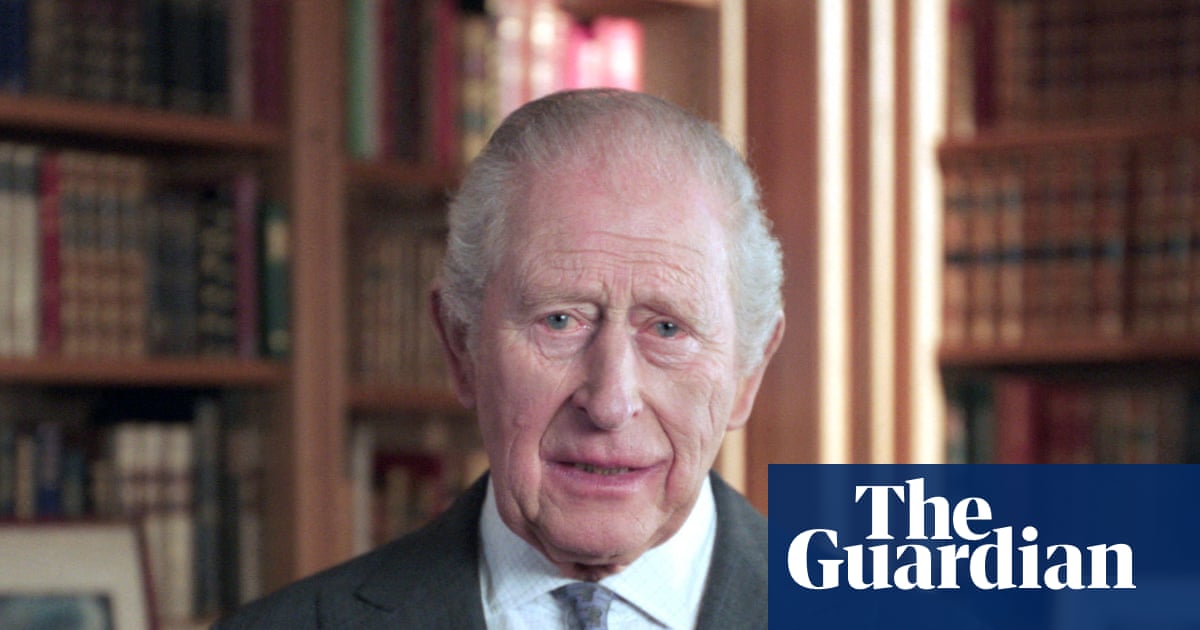
Trump made his intervention during a press conference at the White House on 22 September. Referring to the drug by its name in America, he said: “Taking Tylenol is not good … All pregnant women should talk to their doctors about limiting the use of this medication while pregnant … Don’t take Tylenol. There’s no downside.”
He said paracetamol in pregnancy was so dangerous that his administration planned to tell doctors in the US to advise expectant mothers to avoid using it.
However, this new study has concluded that Trump’s statements were baseless. It identified no association between exposure to paracetamol in utero and a baby being autistic, having ADHD or an intellectual disability.
“Familial and genetic factors, including the well-established tendency for autistic traits to run in families, are more plausible explanations for previously observed associations than any direct effect of paracetamol,” it says.
The authors also raise the possibility that an ailment which prompts a woman to take paracetamol regularly during pregnancy may itself play more of a role in influencing a child’s neurodevelopmental status.
“Paracetamol is typically used only intermittently, and its prolonged use raises questions about whether the underlying health condition prompting extended use might be more important in shaping neurodevelopmental outcomes rather than the drug itself,” they say.
Wes Streeting, the health secretary, responded to Trump’s claims by advising women in the UK to ignore them. “I would just say to people watching: don’t pay any attention whatsoever to what Donald Trump says about medicine,” he said on ITV the day after.
Experts welcomed the Lancet study. “Expectant mothers do not need the stress of questioning whether medicine most commonly used for a headache could have far-reaching effects on their child’s health.
Grainne McAlonan, a professor of translational neuroscience at King’s College London, said: “While the impact of last year’s announcement has been extensive, I hope the findings of this study bring the matter to a close.”
Dr Steven Kapp, a senior lecturer in psychology at the University of Portsmouth, said: “An implication is that society needs to stop going down rabbit holes of seeking false prevention of developmental disabilities. Instead, we should focus on making the world a better place for disabled people.”
Streeting said: “This major review can, yet again, reassure mothers-to-be everywhere that there is no evidence whatsoever to link the use of paracetamol by pregnant women to autism, ADHD or disabilities in their children.
“Our country’s leading scientists, doctors, and the NHS are clear that paracetamol is safe to take when pregnant and in pain or suffering a fever.”