.png) 16 hours ago
5
16 hours ago
5
A 1970s adage attributed to the former Tory chancellor Reginald Maudling maintained that Britain was essentially a Conservative country that sometimes voted Labour. That was always a questionable assertion, given the defining postwar role of Labour in shaping a fairer social settlement. But the trauma of successive election victories by Margaret Thatcher from 1979 onwards meant that senior figures on the centre left began to think along similar lines; a sometimes debilitating caution crept into the leadership of a party founded to serve those outside the gilded circles of money, power and influence.
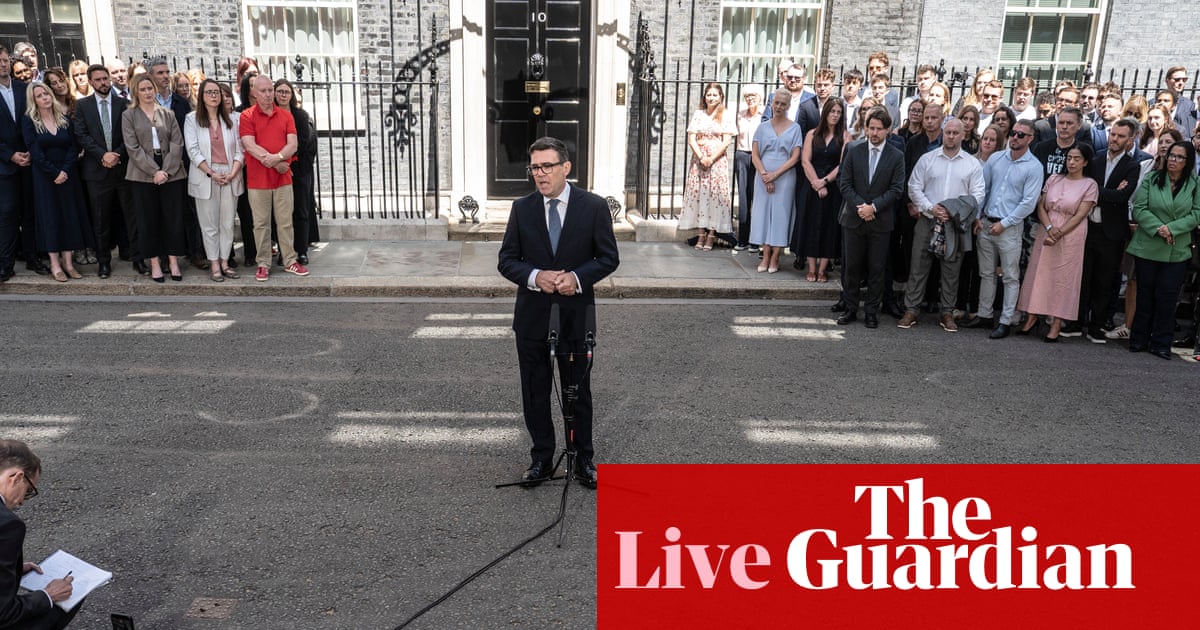
Outside 10 Downing Street on his first day as prime minister, Andy Burnham in effect argued that only through being braver and truer to its original vocation can Labour restore faith in politics and renew a disillusioned nation. Mr Burnham’s striking pledge to end rough sleeping may be something of a hostage to fortune. As mayor of Greater Manchester he could only partially deliver on the same commitment. But on the day he entered No 10, it vividly conveyed what was meant when he talked about “the right values and the right standards”.
In a speech delivered without lectern or notes, Mr Burnham also said that corrosive imbalances of wealth, power and status must be challenged through a “circuit-breaker” administration – one that truly empowers places like his own Makerfield constituency, and eases the cost of living by introducing greater public control over economic essentials. This is a vision that, as he stated, challenges the political and economic assumptions of the last 40 years. It can give hope to millions of voters alienated by missteps and misplaced priorities over the last two years under Sir Keir Starmer.
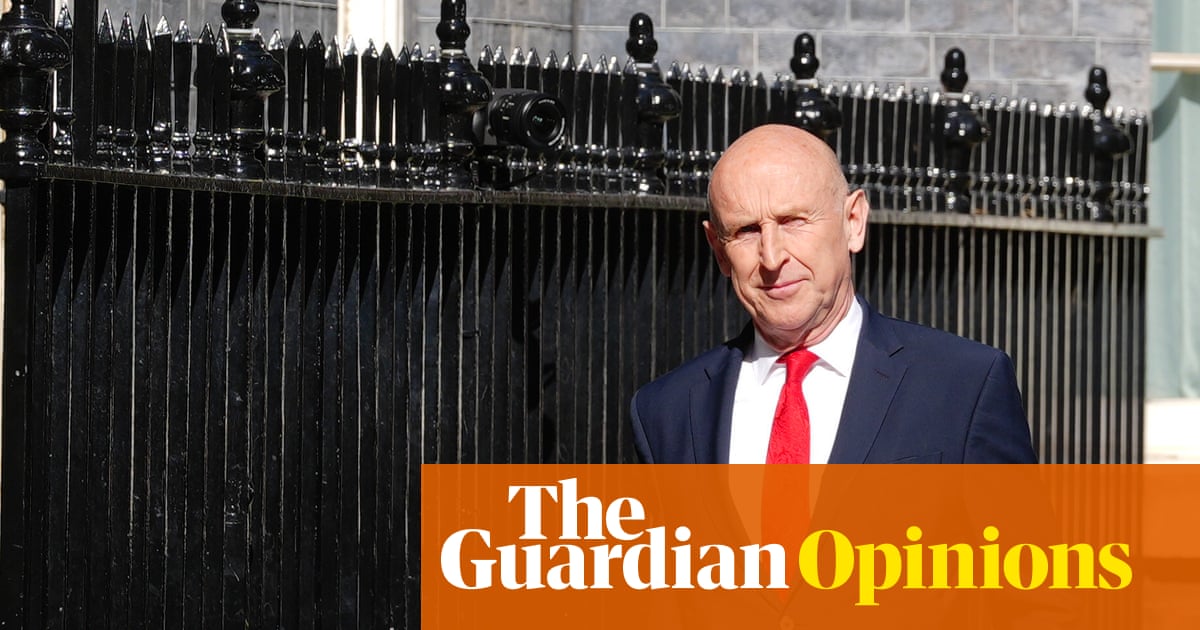
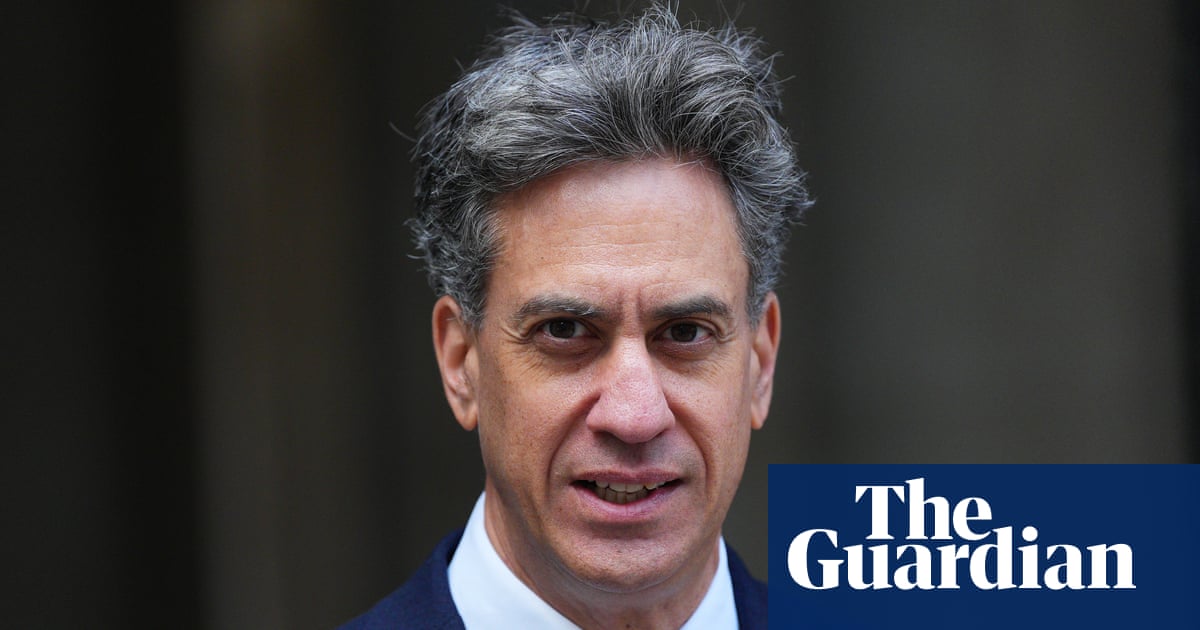
To enact Mr Burnham’s plans, though, will mean governing differently and almost certainly confronting stubborn resistance in parts of Whitehall – and in particular in the Treasury. The decision to choose John Healey rather than Ed Miliband to replace Rachel Reeves as chancellor – easily the most crucial early decision that Mr Burnham will make – is disappointing. This newspaper has argued that Mr Miliband’s authority, experience and reforming zeal meant that he was the best placed to drive the new prime minister’s economic agenda.
Mr Healey is an astute politician and a popular figure with the trade unions, and was a Treasury minister under Gordon Brown. But the political window for Mr Burnham to make a tangible impact is short and he will need to hit the ground running. Much will depend on relations between the Treasury and No 10 North in Manchester, envisaged by Mr Burnham as the centre of operations for decentralising power away from London. Mr Miliband’s appointment as foreign secretary, after his sterling work on the climate agenda, promises some interesting encounters in Washington DC.
The appointment of Mr Burnham’s close ally, Louise Haigh, as chancellor of the duchy of Lancaster and first secretary of state confirms her status as the administration’s chief powerbroker. In a cabinet shorn of Starmer loyalists, the new prime minister must hope that promises to support him from the backbenches hold good.
For all the talk of the 1980s, Mr Burnham’s mood music, ethical ambition and determination to forge a new political consensus are reminiscent of 1945, when a new Labour government delivered lasting progress through a revitalised state and a massive council-led expansion of public housing. From now on, things will only get tougher for Britain’s seventh prime minister in a decade. But after Mr Burnham’s first day there are also grounds for hoping they will get better.