.png) 2 months ago
56
2 months ago
56
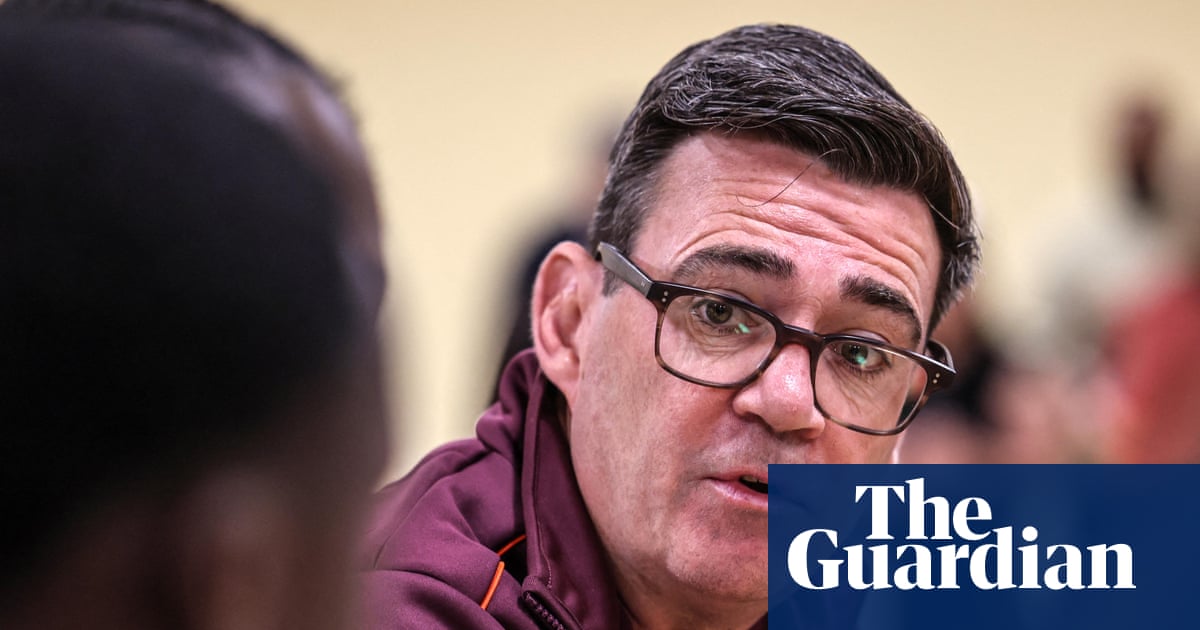
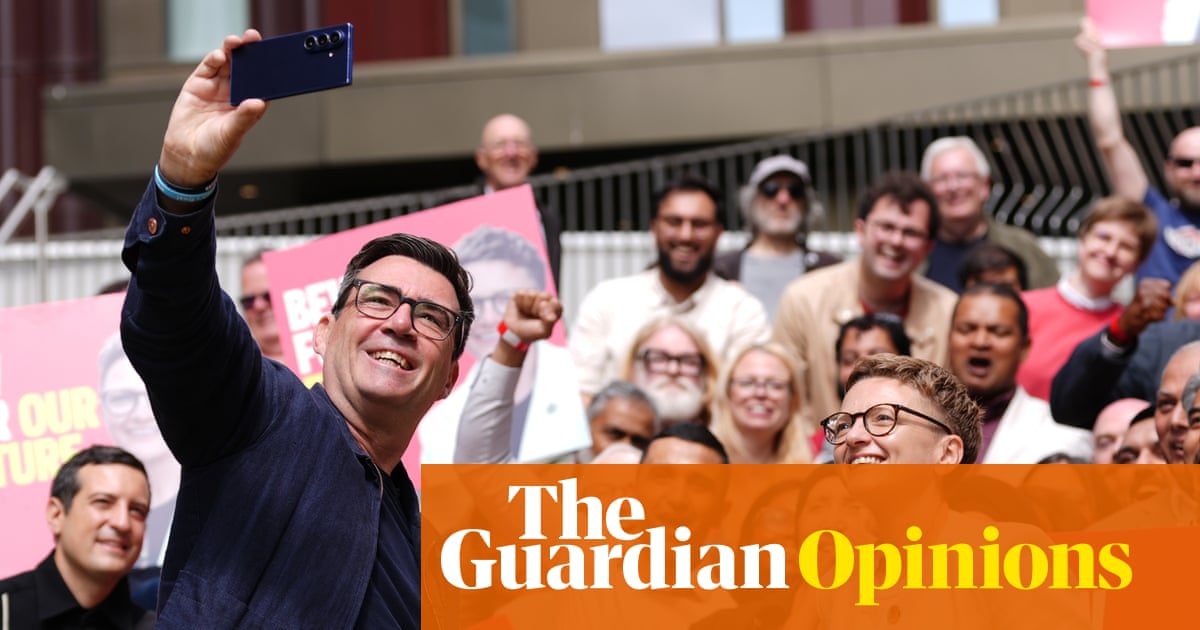
Sir Keir Starmer had years in opposition to prepare for government. His likely successor, Andy Burnham, has weeks. Unlike the outgoing prime minister, Mr Burnham will bring past ministerial experience to the top job as well as lessons learned as the mayor of Greater Manchester. But as every veteran of No 10 attests, the pressures in that building – the intensity and unpredictability of events – are like nothing else.
To take office without clear priorities or a sense of how to drive an agenda through the machinery of government is a recipe for drift and loss of control, bouncing from one crisis to the next. That was Sir Keir’s fate. His failure to use the run-up to power more fruitfully accounts in large part for the truncation of his tenure.
Mr Burnham can learn from that mistake. In particular, he must avoid the temptation to dwell on issues that dominate the Westminster news cycle at the expense of international affairs. No prime minister can afford to take their eye off the domestic politics ball, but national challenges are not easily separated from the global context. A cost of living crisis can be aggravated by inflation, which is stoked by energy price shocks triggered by distant wars.
Sir Keir said little about foreign policy before taking office. It then consumed huge amounts of his time. He suppressed discussion of Brexit in the 2024 election campaign as a tactical move to neutralise any potential charge that Labour was plotting to unpick the post-referendum settlement. The taboo on discussing the costs of departure from the EU and the commitment to retain the broad parameters of Boris Johnson’s Brexit deal meant not enough thought went into the longer-term ambition of improved relations with Brussels. Caution shrank the mandate Sir Keir gave himself for that negotiation.

He also clung for too long to the delusion that Britain’s “special relationship” with Washington could withstand diplomatic vandalism by Donald Trump. He was stubborn in his insistence that a policy of equidistance between the EU and US was sustainable. It took the US president’s threats to annex Greenland and the ill-judged attack on Iran to force Downing Street into recognition that the UK’s interests point clearly to closer alignment with continental neighbours.
It was a conclusion that Sir Keir would have reached earlier if he had understood Brexit as an ongoing crisis in the UK’s geopolitical status and not tried to manage it as just a set of technical obstacles to trade.
Deals struck in the first phase of Sir Keir’s “reset” of EU relations – on agricultural trade, energy market alignment and a youth mobility scheme – were due to be concluded at a summit in July. That has been postponed until the autumn, giving a new prime minister time to get up to speed.
It is not long, and there will be plenty of issues competing for limited Downing Street bandwidth. But deferral of engagement with the problem of Brexit Britain’s uncertain place in the world would be a strategic blunder. Asked about European policy last month, Mr Burnham deflected the question with the promise of a “relentless domestic focus”. That was understandable when the task was winning a byelection in a constituency that voted to leave the EU in 2016. It would not be sufficient as an approach to leading the country in 2026.
-
Do you have an opinion on the issues raised in this article? If you would like to submit a response of up to 300 words by email to be considered for publication in our letters section, please click here.