.png) 1 month ago
39
1 month ago
39
“The programmes will neither be very interesting nor very good,” said the then BBC director general John Reith, when he launched its Empire Service in December 1932. Nearly a century later, the BBC World Service, as it is now known, broadcasts in 43 languages, reaches 313 million people a week and is one of the UK’s most influential cultural assets. It is also a lifeline for millions. “Perhaps Britain’s greatest gift to the world” in the 20th century, as Kofi Annan, the former UN secretary general, once put it.
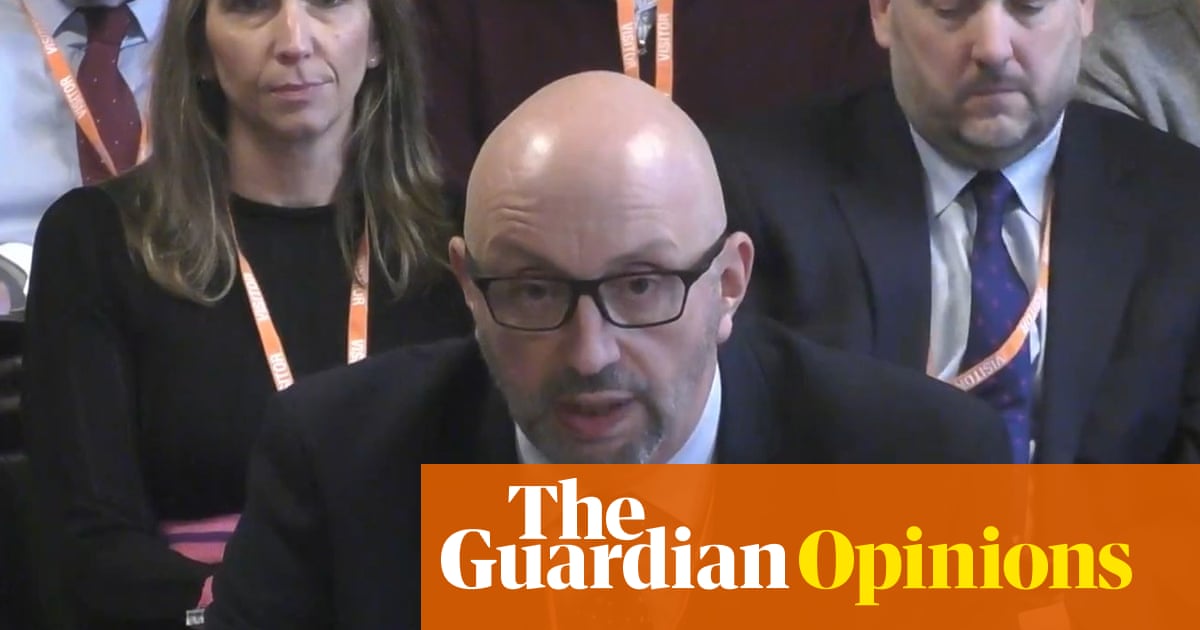
But this week Tim Davie, the corporation’s director general, announced that the World Service will run out of funding in just seven weeks. Most of its £400m budget comes from the licence fee, although the Foreign Office – which funded it entirely until 2014 – contributed £137m in the last year. The funding arrangement with the Foreign Office finishes at the end of March. There is no plan for what happens next.
Meanwhile, Russia and China are pouring billions into state-run media. And American news organisations are crumbling under the Trump administration. Last week the Washington Post axed 300 jobs including its Ukraine reporter, and hundreds were lost at Voice of America, the closest US equivalent to the BBC, last year.
Although some question why licence-fee payers should subsidise services largely consumed abroad, it is also loved by many at home. In the small hours, it is a window on a dark world, an alternative to doomscrolling and a pushback against parochialism. Jeremy Paxman summed it up when he compared the World Service to a cords- and cardigan-wearing “ageing uncle who’s seen it all. It has a style that makes understatement seem like flamboyance”. But we should not allow this cosy, slightly fusty image to obscure its purpose.
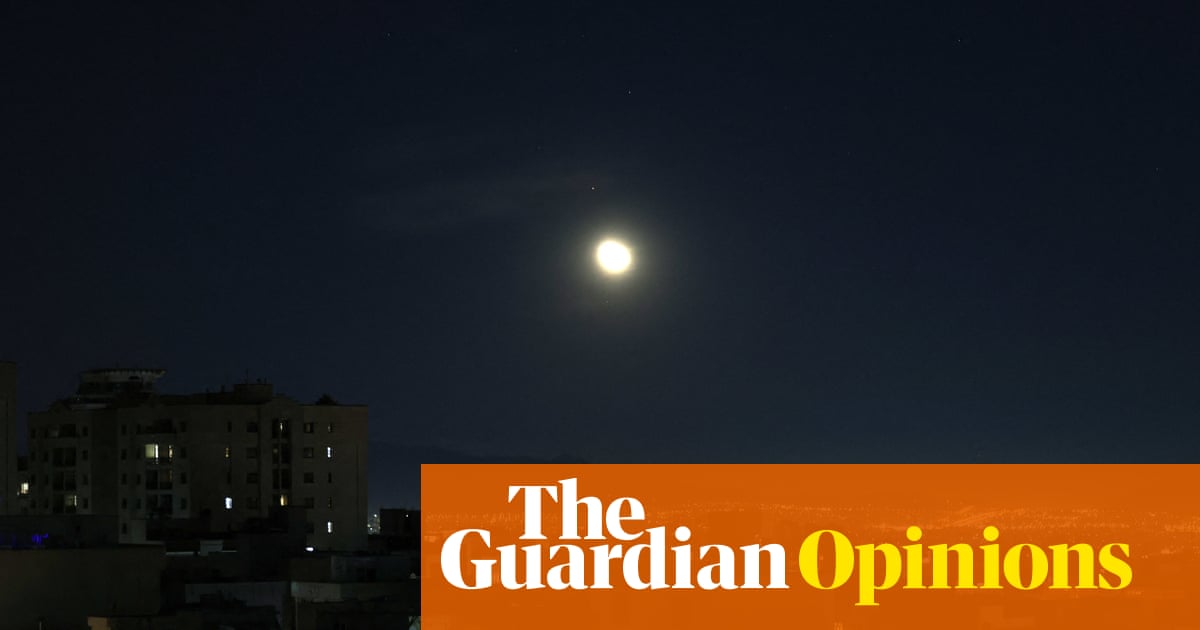
For many it is not just life-enhancing, but life‑saving. Last month, during the internet blackout in Iran, the BBC’s Persian service provided additional radio programmes over shortwave and medium wave. Emergency services were also launched in response to conflicts in Ukraine, Syria, Gaza and Sudan, and after the earthquake in Myanmar. It remains the only international news organisation still broadcasting inside Afghanistan, setting up an education programme for Afghan children in 2024.
But it has been beleaguered by cuts, closures and job losses. In 2022, radio broadcasts in 10 languages including Arabic, Persian, Chinese and Bengali were replaced by digital services, a decision criticised for disproportionately affecting women, who rely most on radios. Wherever the BBC has been forced to withdraw – for financial or political pressures – propaganda has been quick to fill the gap.
No one doubts the World Service’s value as an instrument of soft power. But, as BBC bosses argue, it is also part of our national security. Accurate journalism is the strongest weapon in the war of information. The World Service must not be allowed to stumble into decline. Mr Davie is right – if optimistic – to urge the government to back it decisively and urgently.
During the second world war, radio was “scattering human voices into the darkness of Europe”, Penelope Fitzgerald wrote in her 1980 novel Human Voices, based on her time working for the BBC. Amid the AI noise and disinformation, the World Service must be enabled to keep scattering human voices in our own dark times.
-
Do you have an opinion on the issues raised in this article? If you would like to submit a response of up to 300 words by email to be considered for publication in our letters section, please click here.