.png) 2 months ago
57
2 months ago
57
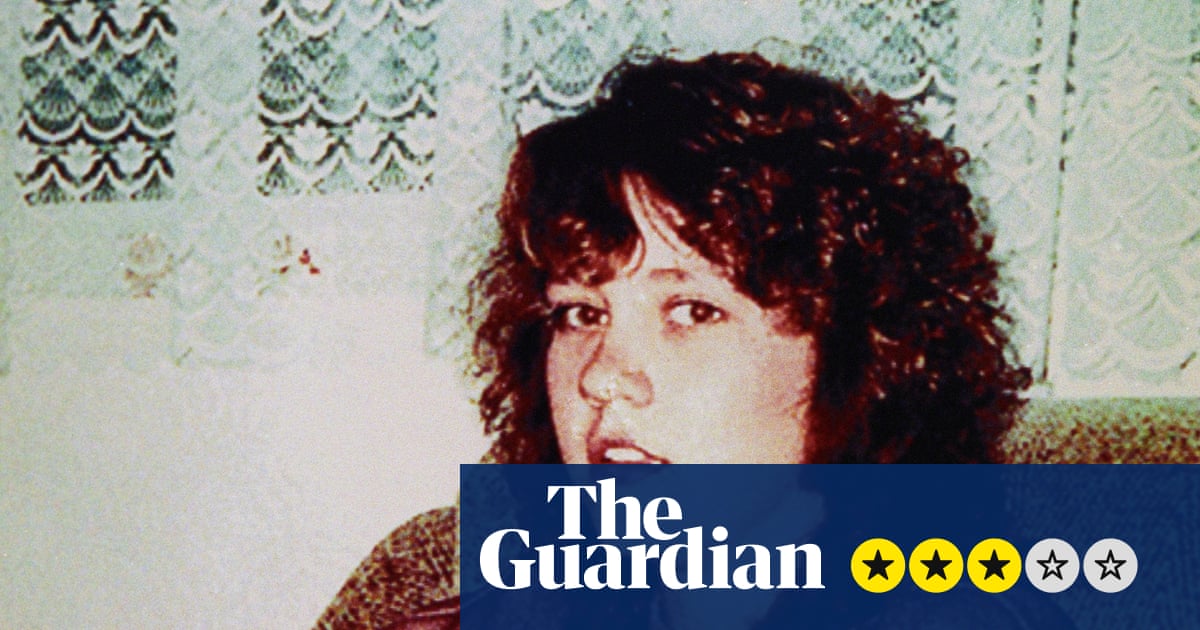
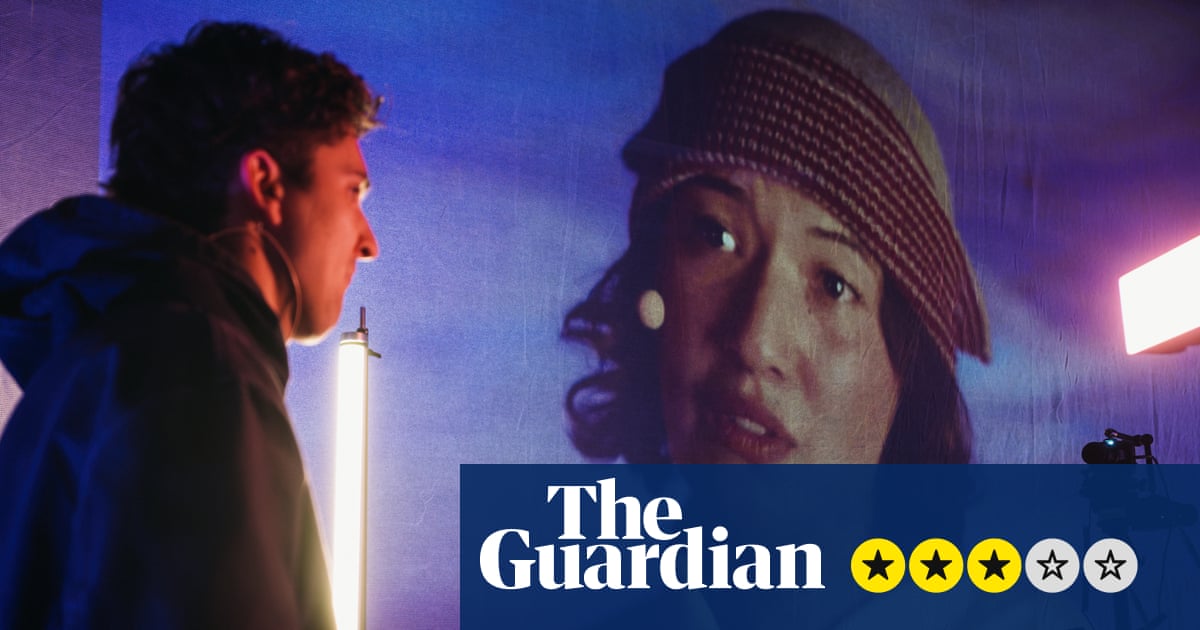
‘I’m just a troubled soul who needs to scream into a mic now and then,” said Sinéad O’Connor. Troubles and screams both sing out in The Surge, an ode to her by American choreographer Sonya Tayeh.
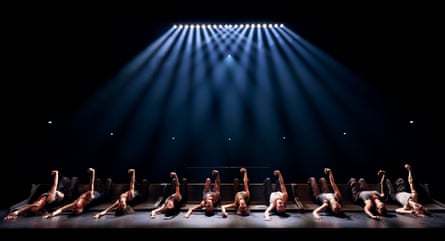
The singer, who died in 2023, attracted both worship and scorn in her lifetime. The Surge is an act of devotion – 10 women sit on pews, swaying, sliding and indeed surging around them. They leap up, circle and shudder as the songs possess them – moved and inspired, they might be dancing in tongues.
Those dancers are the show’s glory. Many have paid their dues in New York’s indie dance scene – now mature performers (their combined age, we’re told, is over 500), they are compact with talent and experience. These are faces that have seen things, and that see us, their gazes often raking over the audience. At times, it feels as if they are dancing the story of their lives.
The singer’s own grainy, poetic voiceover snakes through the show, in audiobook extracts from her memoir. “Songs are ghosts,” she says. Her music inflects the evening like a haunting: piercing, howling, as guitars thrash and squall through songs of striving, fury and misbegotten romance.
Tayeh, best known in the UK for choreographing the musical Moulin Rouge!, has a wide-ranging portfolio: most recently, a musical based on the ballet horror Black Swan. Her movement here is inventive and frequently thrilling, especially in unison, but can’t maintain the initial level of quivering intensity, the middle section becoming a series of mournful vignettes.
Even so, there are plenty of striking moments. Karine Plantadit’s solo, suspended and shaken, to Tiny Grief Song; Lisa Race’s resilient slide down tilted benches; the ensemble rocking out to Red Football. Throughout, Tom Visser’s superbly textural, low-level lighting washes the stage in copper or sickly green (he also designs the set).
If this is a wake, it’s a wild one. It’s a paradox of O’Connor’s art that her intensely personal songs, informed by her biography and quixotic spiritual calling, spoke so keenly to so many. The Surge ends with its dancers’ poignant handclasp – a community, grieving but exalted.
-
At Aviva Studios, Manchester, to 27 June