.png) 3 months ago
74
3 months ago
74
Asylum seekers are not abusing the modern slavery system in a widespread manner, according to a report from a centre-right thinktank that undermines statements from successive home secretaries.
The report from Bright Blue finds limited evidence that asylum seekers are falsely claiming to have been the victims of modern slavery to stay in the country, despite several home secretaries blaming the system for stopping them deporting more people.
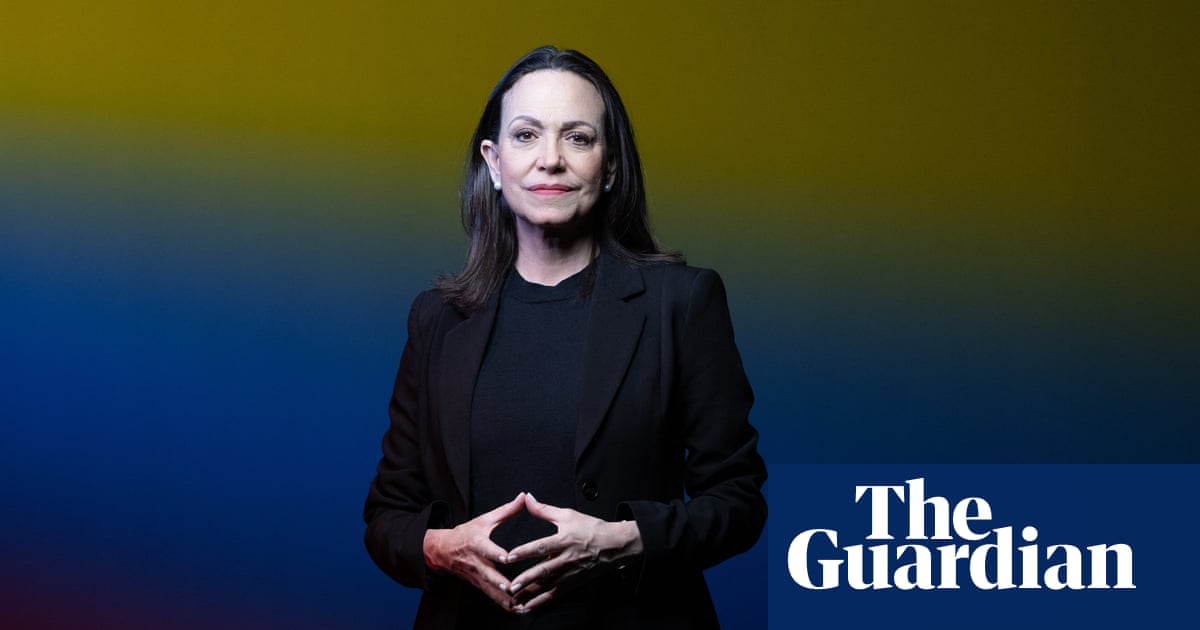
The findings also suggest that promises by the current home secretary, Shabana Mahmood, to change modern slavery rules will have limited success in reducing the number of asylum claimants. She is expected to set out her proposals early next year.
The authors, however, do suggest a new system focused on earlier detection of modern slavery as a way to eliminate the limited amount of abuse that they say does occur.
The founder and executive chair of Bright Blue, Ryan Shorthouse, said: “The Home Office thinks the modern slavery referral system is being abused because it allows people to stay in the country a bit longer. But while there may be some abuse, we are sceptical that it is widespread.”
Theresa May brought in the modern-day slavery rules in England and Wales in 2015, when the then home secretary established a formal mechanism to assess potential victims of slavery and human trafficking.
The number of people referred to the system has climbed steeply since, from just over 3,000 in 2015 to more than 19,000 last year.
Recent home secretaries have blamed the asylum system for the rise, accusing claimants of seeking to be classified as victims of modern-day slavery to avoid being deported.
They point to the fact that some of the nationalities most commonly referred for assessment under trafficking rules are also those that form the bulk of asylum claims. British nationals make up the largest group being evaluated for modern-day slavery, followed by people from Albania, Vietnam and Eritrea.
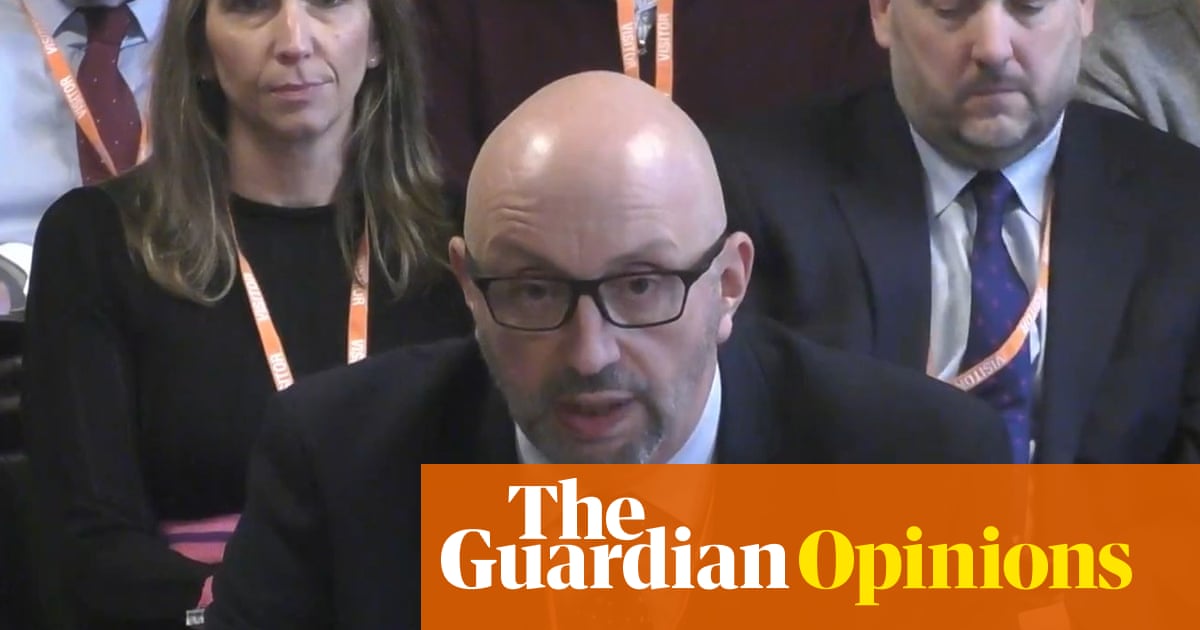
Mahmood has accused asylum seekers of making “vexatious, last-minute claims” after the high court blocked the deportation of an Eritrean man who was due to be flown to Paris but said he was a victim of trafficking.
She has promised to rewrite the UK’s modern slavery rules, but Bright Blue’s report suggests that doing so may not have the desired impact on asylum numbers.
It points out that no asylum seeker can demand to be assessed, but can only be referred by third-party organisations, with 97% of claims coming via public bodies such as Border Force, police authorities, local authorities and the Home Office itself.
The report found that 90% of those referred were assessed to have reasonable grounds for being classified as victims, suggesting the vast majority of cases were not vexatious.
Nor are the vast majority of those found to have been subjected to modern-day slavery granted leave to remain in the UK. The classification more often leads to compensation and only temporary permission to stay.
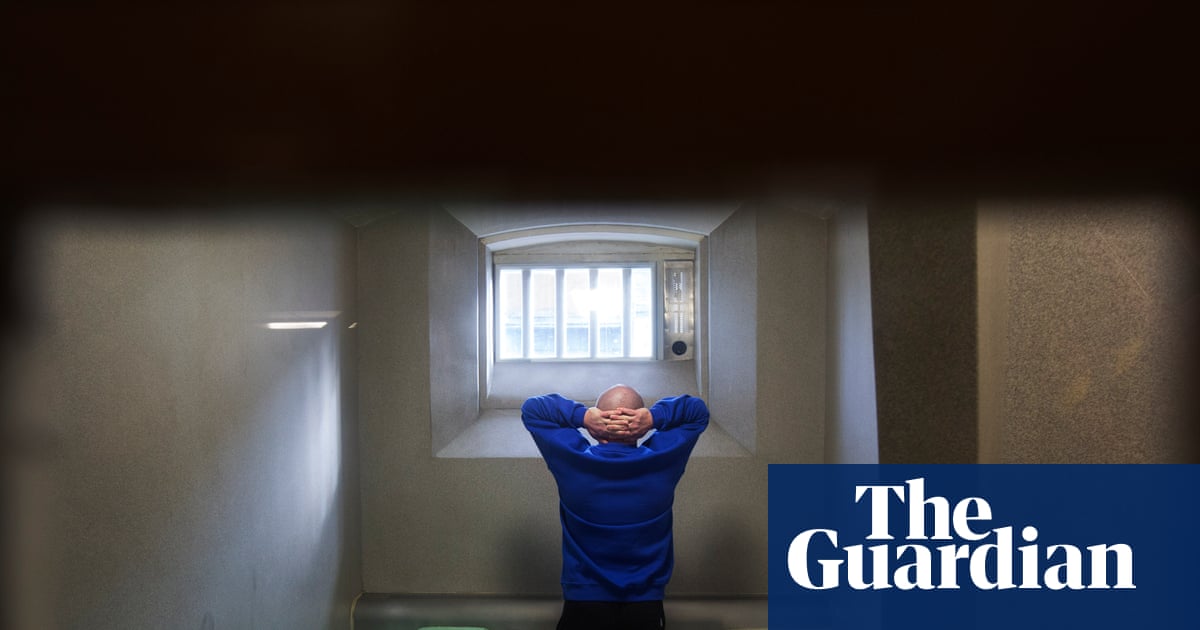
The authors suggest the government should train statutory first-responder organisations such as the Home Office and Border Force to detect signs of trafficking and slavery more quickly. Once that is done, they say ministers could ban those in detention – who will have already been assessed by those organisations – from being referred at all.
A Home Office spokesperson said: “Modern slavery referrals are rising. This is why the home secretary announced reforms … to identify vulnerable people and stop misuse.
“The statement fundamentally reforms the approach to illegal migration, making Britain a less attractive destination for illegal migrants and harder for people to block their removal from this country.”