.png) 2 months ago
69
2 months ago
69
Ministers are drawing up plans to send minesweeping drones to the strait of Hormuz amid concerns in Whitehall that complying with Donald Trump’s demand to send ships could escalate the crisis.
The government is considering dispatching aerial minesweepers to help clear the vital waterway of mines in an attempt to allow the flow of oil exports to resume. However, officials said that sending ships, as requested over the weekend by the US president, could worsen the situation given the volatile nature of the war.
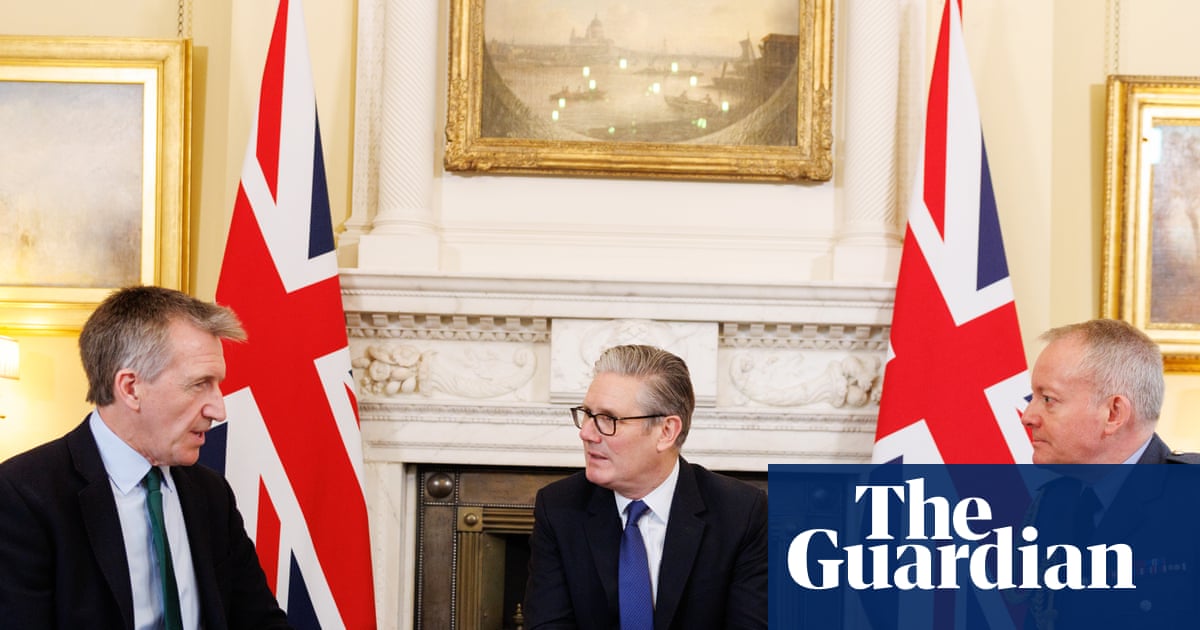
Keir Starmer will announce tens of millions of pounds to support Britons feeling the impact of higher energy prices at a Downing Street press conference on Monday, where he will also emphasise the importance of de-escalating the crisis.
“We will continue to work towards a swift resolution of the situation in the Middle East. Because there is no question that ending the war is the quickest way to reduce the cost of living,” the prime minister will say.
Speaking to the BBC on Sunday, the energy secretary, Ed Miliband, said: “It is very important that we get the strait of Hormuz reopened … There are different ways that we could contribute, including with mine-hunting drones.”
He added: “All of these things are being looked at in concert with our allies … Any options that can help to get the strait reopened are being looked at.”
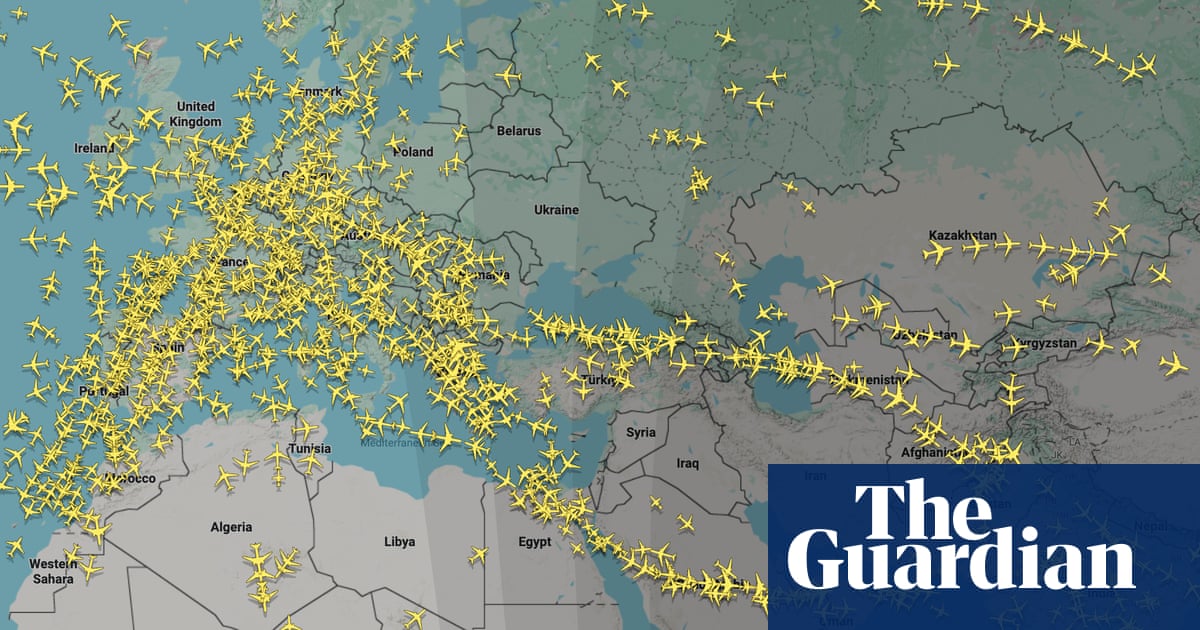
Iran’s announcement that it would target ships using the strait, through which 20% of the world’s oil supply normally passes, has sent oil prices soaring from about $65 (£57) a barrel to more than $100. Economists are predicting higher inflation and lower growth this year as a result, though the exact impact will depend on the length of the conflict.
The situation has put further pressure on the relationship between Trump and Starmer, which has been damaged by the prime minister’s refusal to allow the president to use British bases to launch his initial attack on Tehran.
A week ago Trump dismissed recent offers of British help as coming “a little bit late”, but this weekend he changed tack, calling for several countries to deploy ships to the strait.
“Hopefully China, France, Japan, South Korea, the UK, and others, that are affected by this artificial constraint, will send Ships to the area so that the Hormuz Strait will no longer be a threat by a Nation that has been totally decapitated,” Trump posted on his Truth Social platform.
Starmer spoke to Trump over the phone on Sunday night. Downing Street said afterwards: “The leaders discussed the situation in the Middle East, including the impact of the continued closure of the strait of Hormuz on international shipping.”
Officials in the UK, Japan, China and South Korea are considering Trump’s demand.
Takayuki Kobayashi, a senior politician in Japan’s ruling Liberal Democratic party, said on Sunday the request was “something we should judge cautiously”. South Korea’s foreign ministry said in a statement it was “exploring various measures from multiple angles to protect our citizens and secure the safety of energy transport routes”.
British officials say they are open to the idea and are expected to lay out further plans in the coming days. However, they are sceptical about sending ships to the strait given the depleted state of the navy and the likely consequences of doing so.
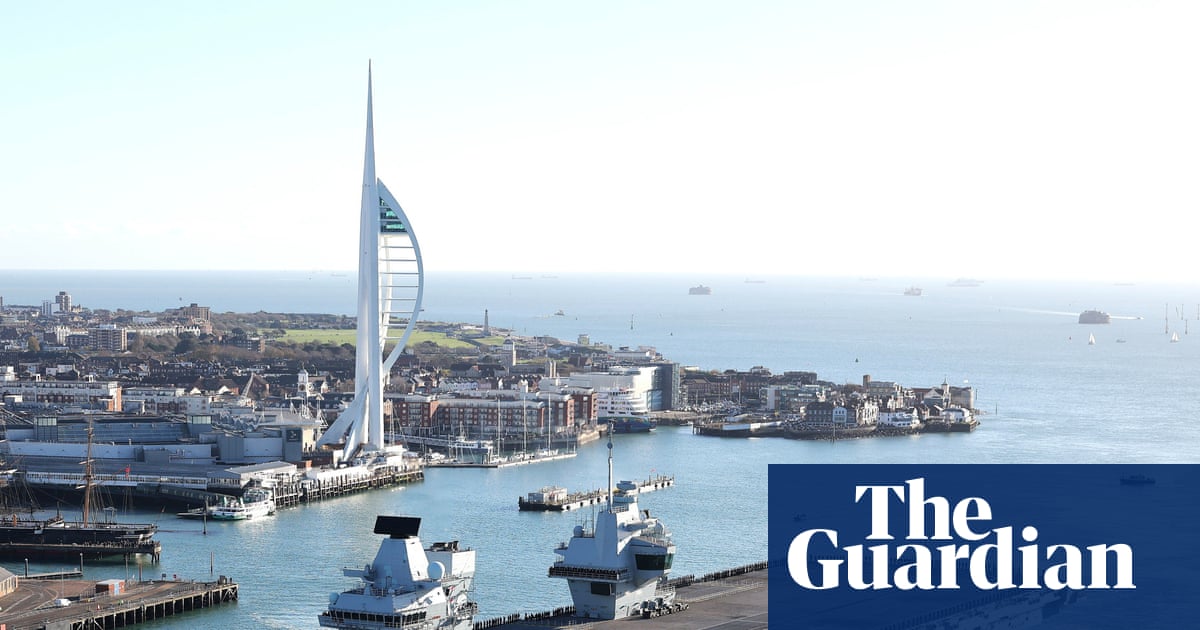
HMS Dragon, a Type 45 destroyer, left Portsmouth last week heading for Cyprus, and could be redeployed to the Middle East. Officials have told the Guardian, however, that it is unlikely to reach Cyprus for at least another week, meaning it would take even longer to reach the strait of Hormuz.
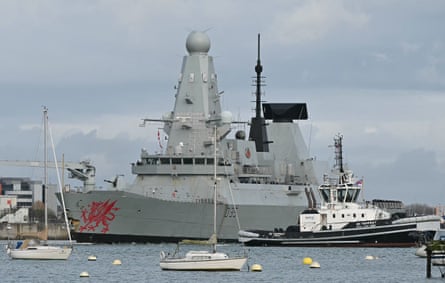
Meanwhile, Britain’s last minesweeping ship in the region, HMS Middleton, departed Bahrain for maintenance days before the war began, a move now at the centre of a government row over whether the UK did enough to prepare for the conflict.
Officials are more optimistic about the possibility of using minesweeping drones, which cause mines to explode safely by mimicking the movement of ships. They are also planning to send Octopus counter-drones, which are being made for Ukraine but could be deployed in the Gulf.
While the government considers its options, it has come under fire from the Conservatives for not spending more on defence.
Kemi Badenoch, the opposition leader, said in a speech last week that ministers were dragging their feet on raising defence spending to 2.5% of gross domestic product, which the government has promised to do by 2027.
However, internal Ministry of Defence (MoD) figures seen by the Guardian show spending on counter-drones and missile defence fell in the last few years of the Conservative government.
The detailed budget breakdown shows spending on ground-based missile defence fell from £158m in 2021-22 to £49.4m in 2023-24, while investment in counter-drone systems fell from £22.4m in 2021 to £18.1m in 2023. The number of mine-hunting ships was cut from 16 when the Tories took office to seven.
An MoD spokesperson stressed that defence spending had gone up under the current government. They added: “This spending is going to boost our defences, including on new tech like the Dragonfire laser, which will be fitted to Type 45 destroyers in 2027.”
The Conservatives have been contacted for comment.