.png) 3 months ago
74
3 months ago
74
Sun 12 Apr 2026 08.00 CEST
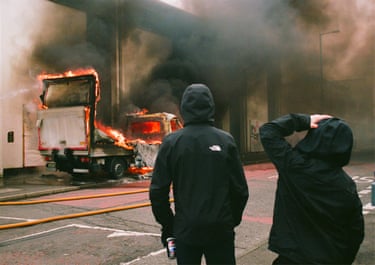
Clodagh O’Leary: Who Fears to Speak
This series explores the experience of children and young people in the Republican strongholds of Bogside and Creggan in County Derry. These areas were strongly impacted by the conflict during the Troubles, as much by the British army as by local paramilitary groups. The conflict ended with the Good Friday agreement in 1998. Despite the overall end of violence, some persists and is perceptible among the youngest members of the community. It is often a first step towards recruitment for paramilitary groupsPhotograph: Clodagh O Leary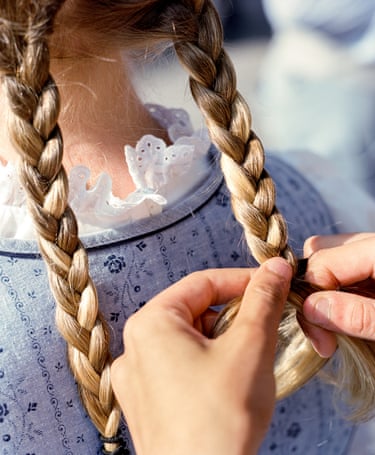
Davide Degano: Do-li-na
Do-li-na explores the connections between images, memory and identity in Friuli-Venezia Giulia, a region where Italian, Slovenian, Friulian and German cultures meet. This forested territory, which conceals its borders, has seen various cultures and peoples coexist. The rediscovery of the artist’s grandmother’s history, her Slovenian heritage having been concealed by fascist Italianisation politics, led him to question how images and archives determine what is passed on or erasedPhotograph: Davide Degano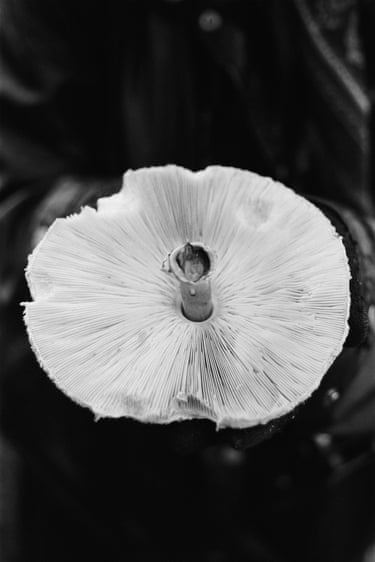
Dónal Talbot: Becoming
Becoming explores how subjective experience and identity shape our perception of the world and ourselves. Inspired by Jack Babuscio’s ‘gay sensibility’ concept, Dónal Talbot shows that queerness, marked by social oppression, is manifest through a singular way of seeing and living, embracing authenticity beyond imposed norms. The project unfolds with a sense of surrender to consciousness, carried by and within nature, an invitation to embrace a broader, freer existence, where identity is never set but constantly forming and transformingPhotograph: Donal Talbot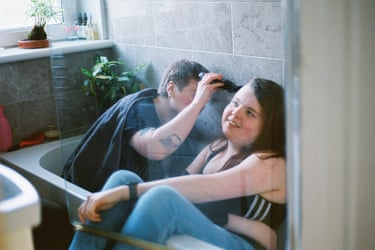
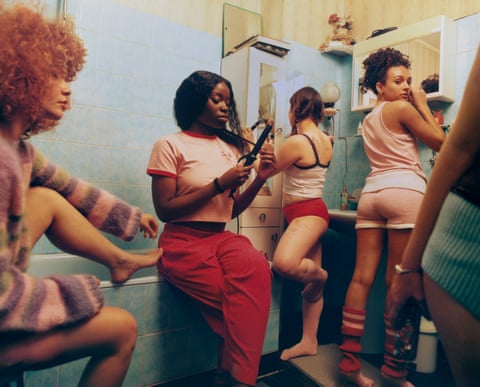
Ellen Blair: Homemade Undercuts
Homemade Undercuts is a tender and intimate series that celebrates hair-cutting as a moment of solidarity, care and queer expression. In LGBTQIA+ spaces, shaved heads, daring hairstyles and vibrant colours are omnipresent: hair becomes an accessible canvas to experiment with how we present ourselves to the world. For generations, queer people have used hairstyles to assert, distract and subvert cultural, political and gender norms, as a form of celebration and resistance. This series honours the desire to create ourselves, in our own image and on our own termsPhotograph: Ellen Blair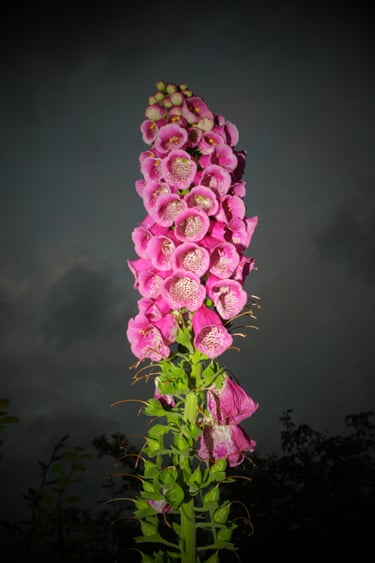
Ruby Wallis: Bloodroot & Foxglove (Fuil Fréamh agus Lus Mór)
The result of a residency in Lismore Castle Arts, at the heart of one of Ireland’s oldest cultivated gardens, in collaboration with nearby asylum seekers. Night walks, essential to the artist’s approach, opened up a space for the circulation of stories and reflection on displacement. Naming one’s home plants has become an act of memory and healing, revealing layers buried in colonised land. Each plant refers to functions (healing, spiritual, culinary etc) and cultural traditions passed down through the stories the artist has collectedPhotograph: Ruby Wallis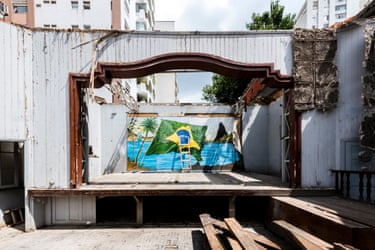
Rafael Roncato: Tropical Trauma Misery Tour
Tropical Trauma Misery Tour is a speculative documentary project that dissects the grotesque spectacle and digital chaos that surrounds the rise of the far right in Brazil, while exposing the worldwide strategies of misinformation and information manipulation. Through staged images, archive fragments and meta-fictional strategies, the artist builds a political-farce theatre, showing how populism blurs the boundaries between reality and fictionPhotograph: Rafael Roncato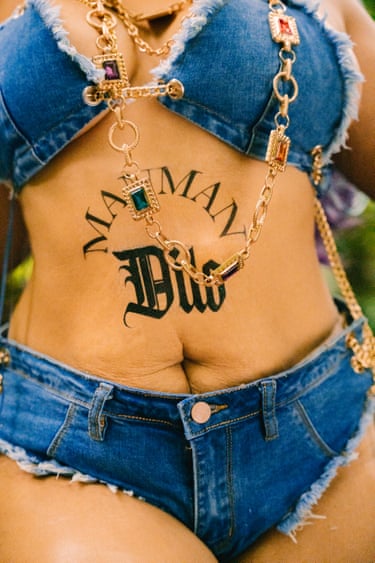
T2i & NouN: Manman Dilo
Manman Dilo, the Water Mother, a mystical half-woman, half-fish figure shared by the peoples of Guyana, embodies natural power and the spirit of waters, both feared and venerated. Starting from the toponym ‘Guyana’ which means ‘land of abundant water’ in the Arawak and Wayana languages, T2i and NouN imagine a world where water is omnipresent. Together, they develop an Afro-futuristic iconography of this Amazonian myth as yet little represented in the public spherePhotograph: T2i & NouN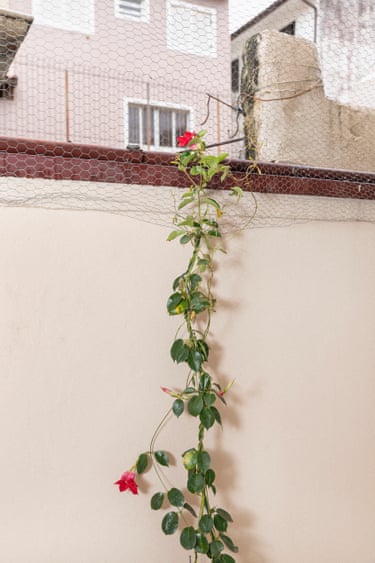
Ricardo Tokugawa: Utaki
Ricardo Tokugawa is a product of immigration: Brazilian, third generation of Okinawan descent. His work explores family identity, ancestry and home, notions intimately linked in these three worlds. For him, photography is not about obtaining an image but about experiencing the process between the initial idea and the final image. Through recognition and contrast, he invites us to revisit our own questions of identity and traditions, which are always evolvingPhotograph: Ricardo Tokugawa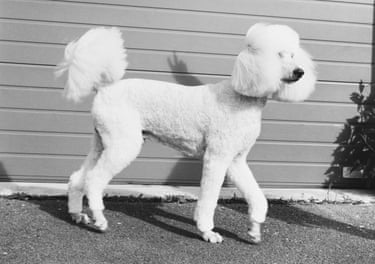
Tanguy Muller:
Feuillages Rebelles, Pelages RevêchesThis series explores our ambivalent relationship with other forms of life through human-shaped and aestheticised subjects. Trimmed trees, groomed dogs: between care, control and weakening, these hybrid forms, half-natural, half-artificial, are reminiscent of old domestication, selection and collection practicesPhotograph: Tanguy Muller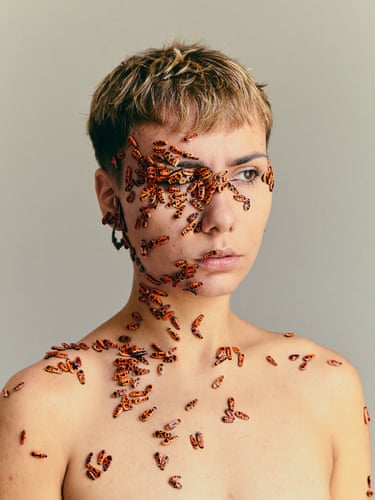
Olia Koval: Eruption
Forty thousand handmade red-winged beetles (also called fire bugs or common red soldier beetles) take over a living room, a metaphor for the Russian occupation of Ukrainian territories. The room, once a refuge, becomes hostile, infested with bugs, echoing Ukraine’s forced coexistence with a disturbing new reality. This pseudo-documentary project tells the story of the artist R.B., who one day wakes up to the sound of cracking wood and discovers a mass of insects in their bedroomPhotograph: Olia Koval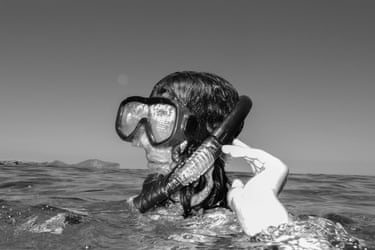
Mashid Mohadjerin: Riding in Silence & The Crying Dervish
Riding in Silence & The Crying Dervish is a meditative journey that delves into the depth of Mashid Mohadjerin’s family history, revealing echoes from migration, forced departures and the quiet patience of those caught between two worlds. She focuses on the interaction between masculinity, political ideology and displacement, and on how historical forces shape personal stories. The artist examines how masculinity has been shaped by war, colonialism, nationalism and the rigid structures of religious ideologyPhotograph: Mashid Mohadjerin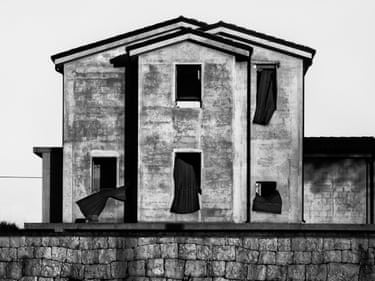
Marco Zanella: Mezzogiorno
In this long-term series, which results from his wanderings through the south of Italy, Marco Zanella offers a fresh and intimate perspective on the region. Landscapes marked by economic insecurity, unfinished buildings and rituals meet and collide. The artist reveals paradoxes and opposes time and space, light and shadow, myth and reality. This works shows a fractured, fragmented, yet vivid reflection of contemporary dynamics. Zanella seeks to create a new visual and politically conscious language where anthropology and sensitive tension meetPhotograph: Marco Zanella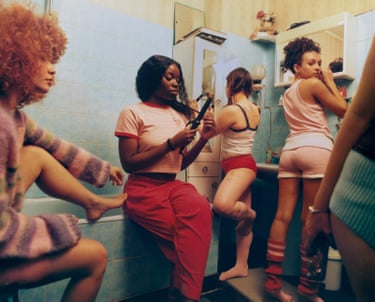
Marine Billet: Reliées
Billet says: ‘Born in 1991, I turned to Generation Z to try to understand how young women today shape their identity. I met Célia, Amaya, Exaucé, Luna and Amina: five young women who opened up about their stories, gestures and doubts. From this intimate material was born a universe between documentary and staging. In each image, they appear to be between movement and stillness. It is these vague moments I wished to capture, these everyday gaps where inner turmoil is expressed wordlessly. This is a tribute to the women we have been, those we are, those we are becoming’Photograph: Marine Billet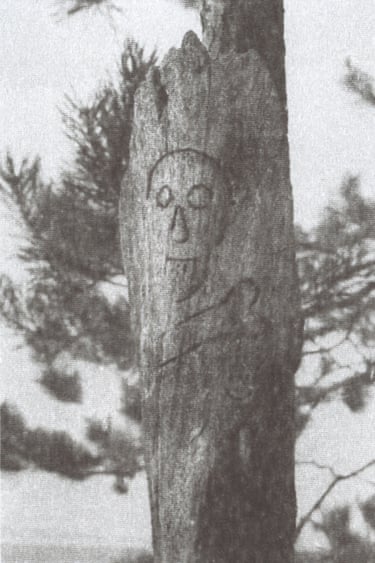
Konstantin Zhukov: Black Carnation Part Three
Black Carnation Part Three is a reflection on the little-documented history of queer people in Latvia. The title is a reference to a term used to designate homosexual men in Latvian tabloids before the second world war, a term that disappeared under Soviet censorship, along with information on its origin and usages. In response, the artist deals with stories that, for the most part, have never been written or have been forgotten or purely censored Photograph: Konstantin Zhukov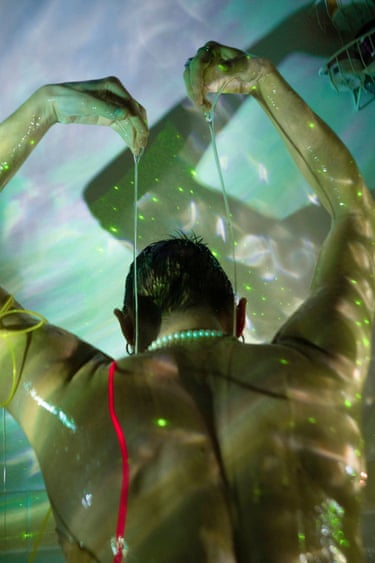
Sadie Cook & Jo Pawlowska: Everything I Want to Tell You
Everything I Want to Tell You has emerged from dialogues between the two artists about the impact of class, illnesses, immigration, gender and sexuality on their bodies and their lives. To escape the definitions imposed on them, the duo use images as a shared space, both as evidence of their experience and a space for projections. The project blends records of their parallel trajectories, through screenshots, photographs and video fragments, and a common staging of fantasies and desired worldsPhotograph: Sadie Cook & Jo PawlowskaExplore more on these topics