.png) 2 months ago
70
2 months ago
70
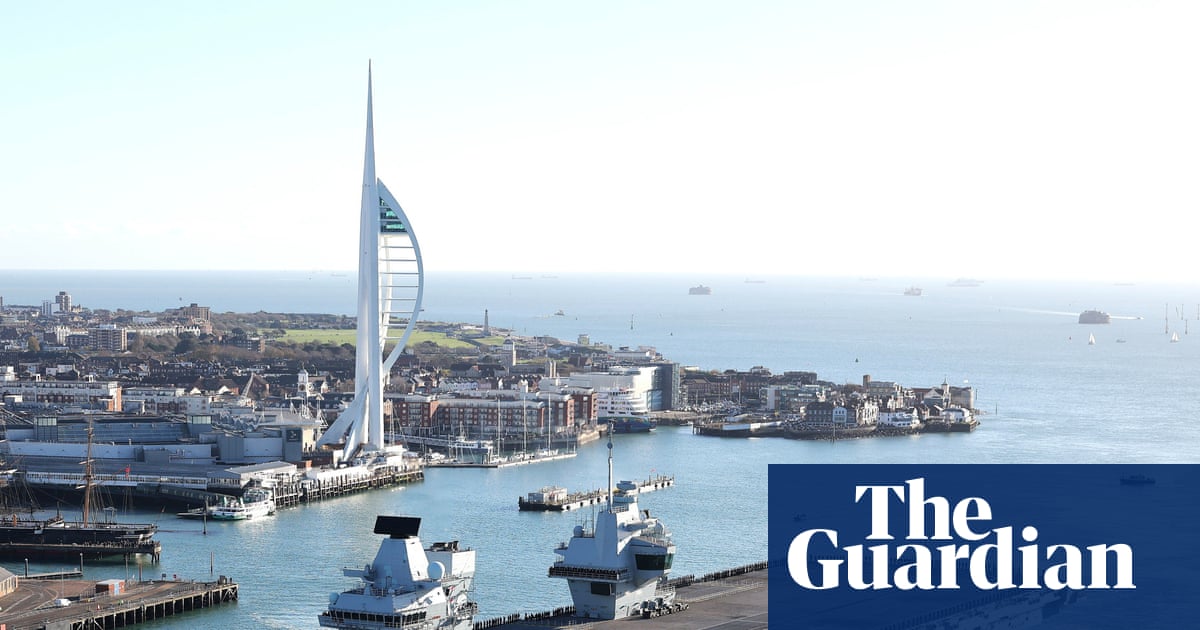
The Bibby Stockholm barge, which was moored off Portland, Dorset to accommodate asylum seekers, attracted many negative headlines – from evacuation after the discovery of legionella bacteria, to the suicide of Albanian asylum seeker Leonard Farruku and angry far-right protests.
But an exhibition launching this week reveals a less reported side of life on the barge, where enduring connections between asylum seekers and members of the local community were forged and continue long after the last group of asylum seekers left the vessel in November 2024.
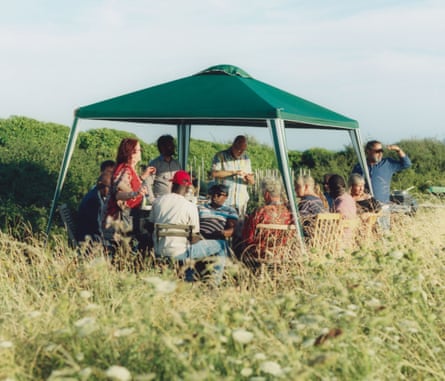
Bibby Boys, by Theo McKinnes and Thomas Ralph, which tracks the entwined lives of the asylum seekers and the community, is they say, “testament to the men’s enduring spirit”.
The barge opened to accommodate asylum seekers on 7 August 2023. Described by Amnesty International as “reminiscent of the prison hulks of the Victorian era”, its arrival on the remote peninsula attached to the mainland by a single road, maximised the optics of punishment for the asylum seekers, who had no choice about living there. The previous government, like the current one, was under pressure to end use of “luxury” hotels for asylum seekers.
The barge divided the local community, and far-right activists from groups such as Patriotic Alternative arrived from other parts of the country to try to amplify discord. Facing the asylum seekers were many local residents who came with welcome packs and flowers for the newly arrived men. They formed Portland Global Friendship Group (PGFG) and changed Portland’s slogan “Keeping Portland Weird” to “Keeping Portland Kind”.
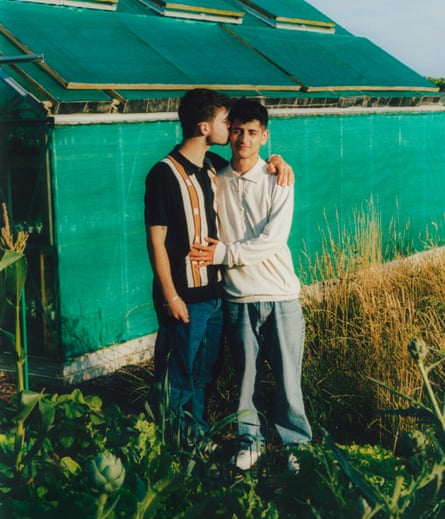
“We felt these are human beings on our island. We ought to be reaching out to them as we would to any stranger. It almost felt like a civil and moral humanitarian duty,” said Giovanna Lewis, one of the members of the group. As a local councillor at the time she became a target of hate by anti-migrant activists. They branded PGFG as “do-gooders” and “the welcome brigade”.
A programme of activities was organised by PGFG including running clubs, gardening projects and community cleanups. Some of the men fished for mackerel and cooked their catch on the beach for all to eat.
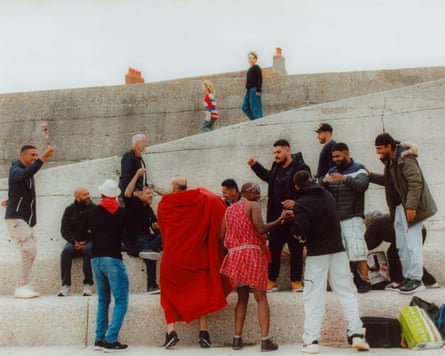
The asylum seekers were moved on to the barge at a time when the previous Tory government threatened to send many of them to Rwanda, a scheme cancelled by the current Labour government. Some said they feared the barge would be loosened from its moorings while they slept and that they would wake up sailing away to Rwanda.
One Iranian former barge dweller, Azad, who now has leave to remain in the UK and is working in a Sheffield warehouse as a forklift truck operator, said: “The friendship group were like angels to us. The barge was a prison for us, a time in our lives when we were living in hell. I have promised that one day I will go back to Portland, not as an asylum seeker but as a tourist. The group saved our lives. Being with them was the only time we felt like we were living.”
Balach, from Pakistan, also has leave to remain and now lives in London.
“I am now in my second year of working and paying my taxes,” he said. “At the moment I’m working as a kitchen porter. I often ask myself why these amazing, special people, always supported us. They showed us so much positivity.”

James, a Maasai from Kenya who fled his country after he was persecuted for trying to prevent FGM for girls, is still waiting for the outcome of his asylum appeal. “The barge was a very difficult place to live. Lots of people suffered from stress and depression there,” he said. “I joined the gardening group and was able to grow the same things I grew back home – tomatoes, potatoes and onions as well as beautiful flowers. The people from the friendship group welcomed us with good hearts.”
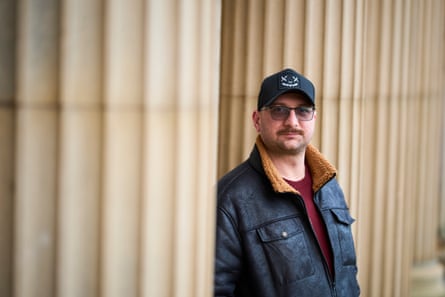
“It was so dispiriting seeing all the negativity about the men on the barge at the beginning,” said Laney White of PGFG. “For us it was a wholly positive experience. I remember some of the first group of men to arrive at the barge had carpentry skills, they took up the floorboards at the local church to replace some of the rotting wood underneath.”
Another group member, Lucy Hardwicke, described the connection between the group and the asylum seekers as a “fantastic community experience”.
Lewis said: “If something like this happened again we would do it again.”
-
Bibby Boys opens at Photofusion in Brixton, London, on 17 March until 4 April. Admission is free