.png) 1 month ago
45
1 month ago
45
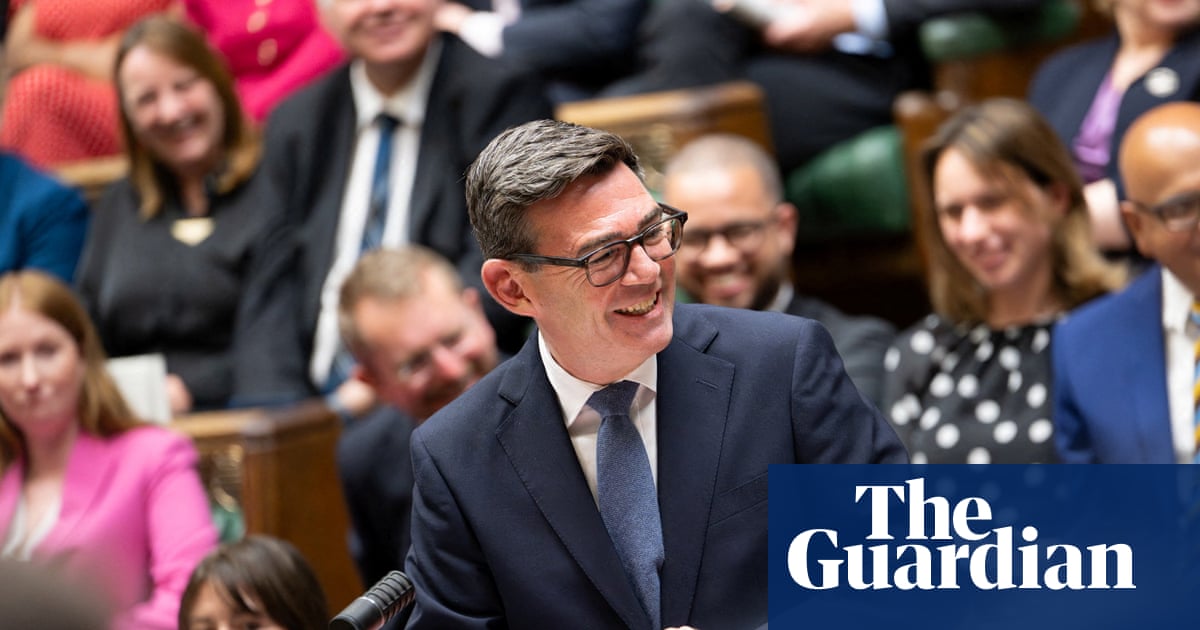
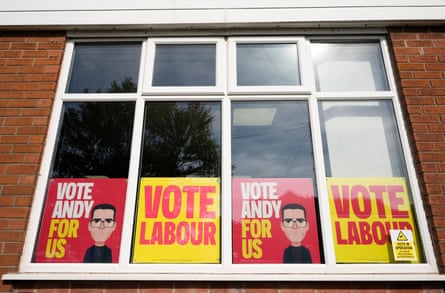
Just 20 minutes’ walk along the road to Wigan Pier, Andy Burnham’s own route back to Westminster was cemented. At the Edge community centre, about a mile from the famous canal wharf, the result of the Makerfield byelection was announced, surpassing even his highest expectations.
“Andy knew running in Makerfield was high risk but it was the proof point he needed to show the Labour party and the country that if he could win there, he could win anywhere. He got 55% of the vote. It worked,” one of his team said.
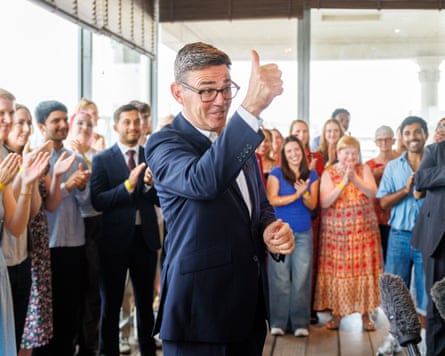
After the result, an exhilarated Burnham headed with his family back to Stubshaw Cross, the social club that was Labour’s campaign headquarters, where activists and local members had been holding a watch party, fuelled by Cruzcampo beers and the campaign playlist.
It felt like a repeat of the England match against Croatia a few days before: the same big screen, the same crowd and the same levels of excitement, quickly followed by apprehension over what might come next.
“We obviously knew how big this could be. We were very aware of what it could turn into,” one said. They finally left as the sun was rising on Ashton-in-Makerfield, with the sound of the campaign theme song, New Order’s True Faith, ringing in their ears.
His inner circle will be hoping that faith is enough to see him through his early days. Many Labour MPs are already anxious about how prepared he can possibly be for government, given the speed of the transition and the secrecy of his plans, even if he has been thinking about this moment for years.
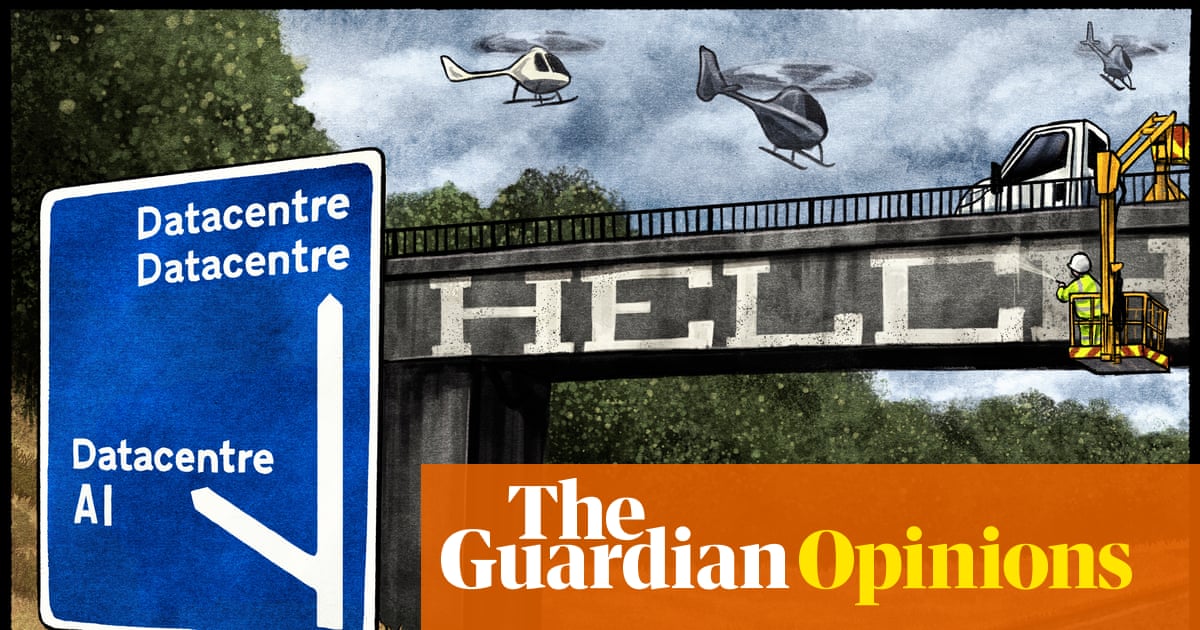
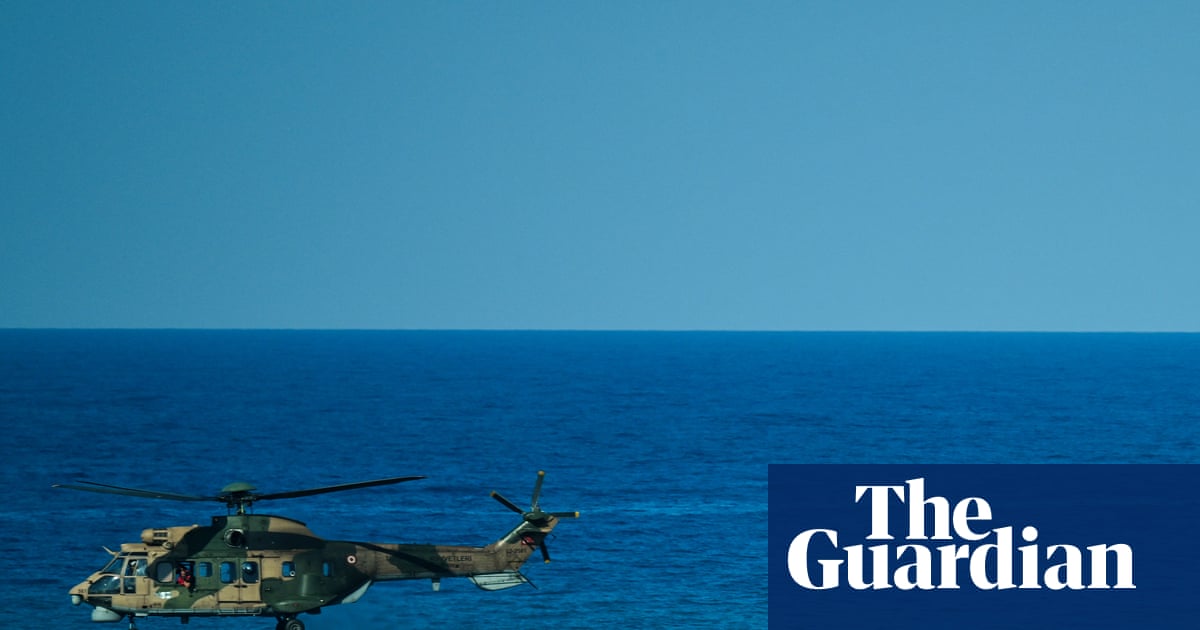
Burnham arrived back in London on the delayed 10.54 Avanti West Coast service to Euston. Keir Starmer had just announced he was standing down. To the alarm of the small team of advisers travelling with him, Sky News dispatched its helicopter to track the train.
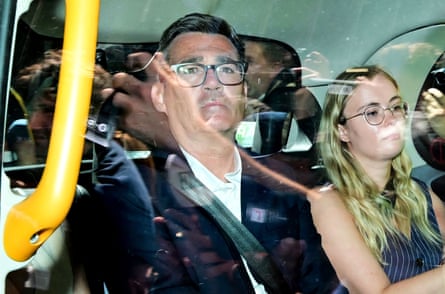
As the team headed through the crushed station concourse for the tube, they were politely informed that – given the prime minister-in-waiting did not yet have security in place – he should take a black cab, and were redirected to a side exit. In the relative sanctuary of the taxi, an aide reflected: “This is a bit mad, isn’t it?”
But there were other things on their minds as they sped through the capital’s streets: would Burnham get to the Commons in time to be sworn in as an MP? An aide called ahead to the whips office to reassure them he was on his way. “We know, we can see you from the helicopter,” the aide was told.
Burnham made it in time, and afterwards was taken to Westminster Hall to meet his fellow Labour MPs. “Blimey!” he remarked, as he peered through the door at the huge number assembled. This was the first actual evidence of the transfer of power. But over the following weeks there would be many more.
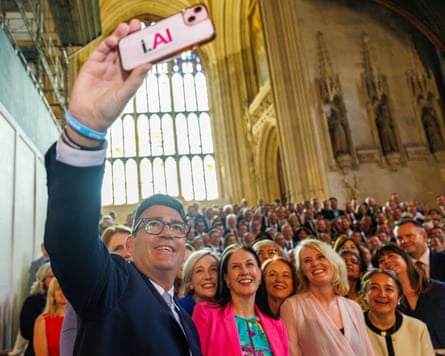
“Even though he was at Westminster before, this was a different order of magnitude but he took it so much in his stride,” one close ally said. “It was always going to be a difficult adjustment to the next phase but we had a plan.”
Team Burnham had, however, been expecting more time. They admit the short timetable announced by Starmer had taken them by surprise and had hoped for longer to build on work already done.
They now acknowledge that a longer transition wouldn’t have worked. “The last couple of weeks has already been fraught with decisions. There was the defence investment plan and the Hillsborough law and there would have been a million other things like that. It would have verged into the unconstitutional,” one said.
Burnham’s Makerfield team split into two: transition and leadership, aware that even if he was unchallenged he needed the support of as many MPs and unions as possible to give him a mandate – even if under party rules members did not get one – or, more significantly, he did not have one from the electorate.
In the end, he got an almost clean sweep, with 379 of the party’s MPs and all 11 affiliated unions nominating him.
While more than a dozen Labour MPs abstained, just one – Neil Coyle – nominated somebody else: Catherine West, who had threatened to be a stalking horse against Starmer. “There was no room left to crawl into Andy Burnham’s backside,” he said.
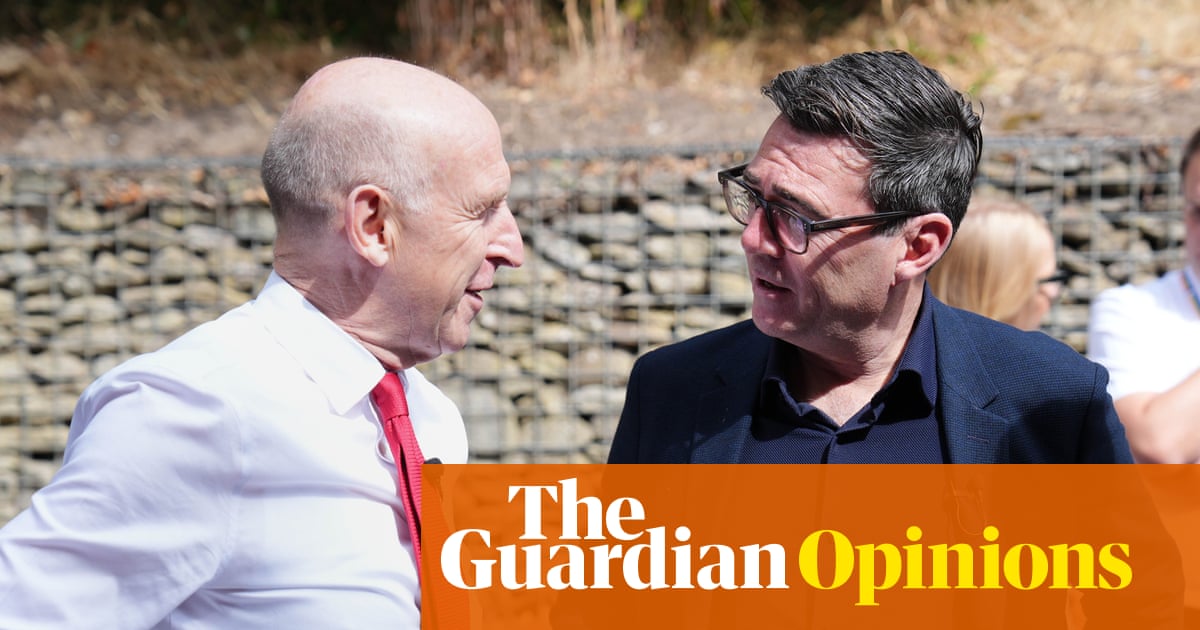
Burnham’s meeting with one Labour MP, however, mattered more than any other. On Tuesday 23 June, the new Makerfield MP sat down with the prime minister he had just ousted, with his close ally Anneliese Midgley and Starmer’s chief of staff, Vidhya Alakeson, in the room
The secretive talks – held at Carlton Gardens, the official residence of the foreign secretary – were said to be tense, a reflection of the strained relationship between the two sides. But Starmer did give his permission for Burnham to begin access talks.
“It hasn’t been easy but the way that both Keir and Andy have handled this has been quite unifying for the party. It would have been a disaster if that had played out differently,” one ally said.
The same week, Burnham appointed James Purnell, a Blairite former cabinet minister, as his chief of staff. Some on the left of the party were spooked by the choice, though it was otherwise welcomed across the spectrum.
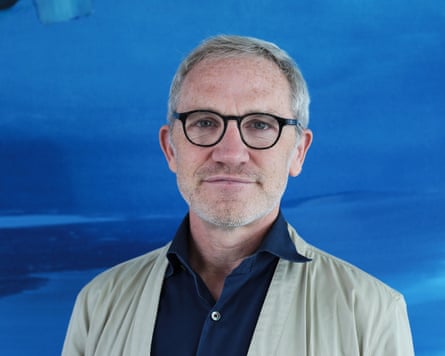
“James has made it very clear that he’s exclusively here to deliver Andy’s agenda, and that he’s set aside his own politics completely to do that,” one ally said.
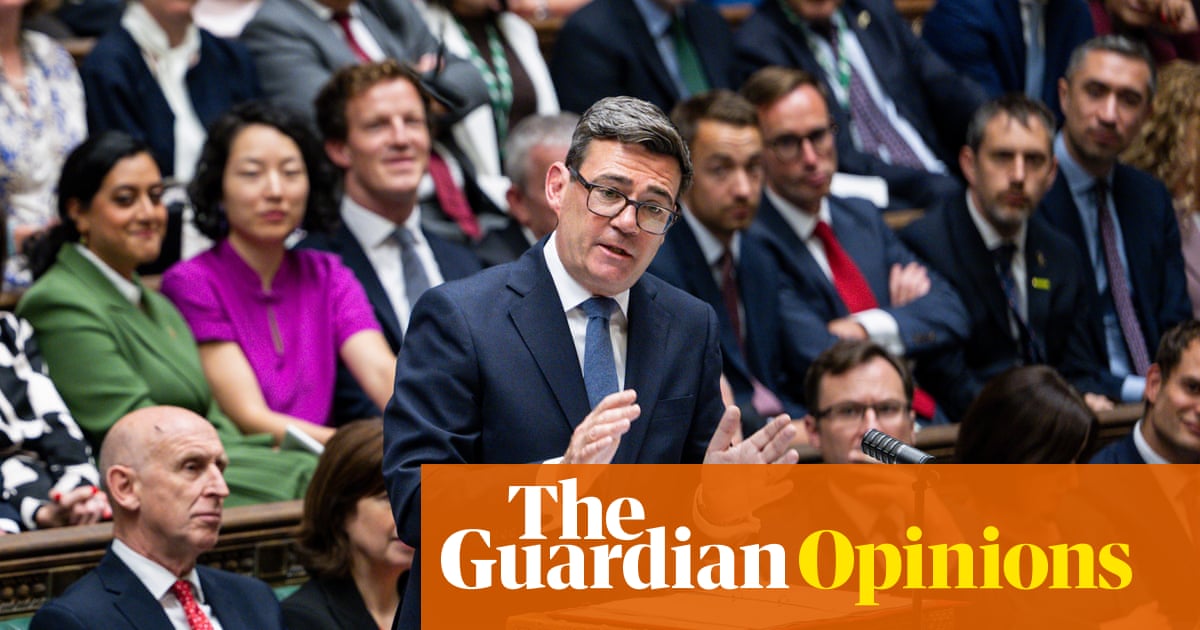
Burnham’s first public speech came at the end of June at the People’s History Museum back home in Manchester. He vowed to set up No 10 North as the “nerve centre of a rewired Britain”, setting out his plans to devolve power away from Whitehall back to communities.
He wrote the bulk of the speech himself, his team saying he “always holds the pen” and had been thinking for years about what he might say if he ever got the chance.
But they admit it was a crucial moment. “Economists and the markets were watching. If he had screwed it up, it could have gone entirely differently.”
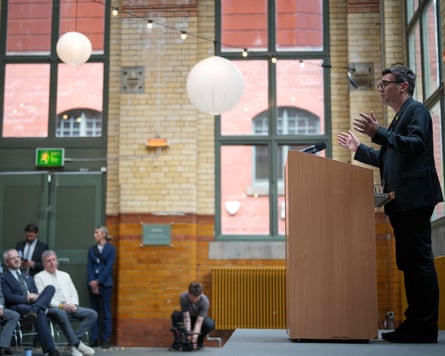
The speech also attracted criticism after he failed to take any questions from the media, a pattern he has continued, leaving him one of the least scrutinised prime ministers to enter No 10.
His team stands by the decision. “The coverage proved our point. Even GB News led its bulletins on No 10 North that evening. It was on the front page of all the papers, even the Daily Mail. Otherwise it would have all been about whether Ed Miliband would or wouldn’t be his chancellor.”
By this point, access talks were already under way, taking place in the office of the cabinet secretary, Antonia Romeo, in 70 Whitehall, each lasting several hours and fuelled, insiders say, with plentiful supplies of tea and coffee.
Romeo has been joined by permanent secretaries from other departments. “The civil service has been ambitious and enthusiastic about the clarity Andy brings to all of the meetings. They haven’t always had that,” one Team Burnham source said.
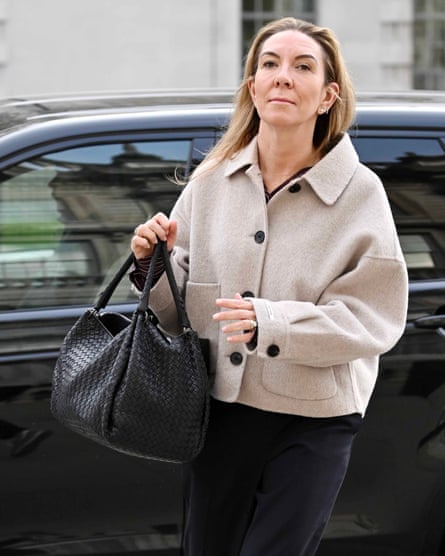
They have already kicked the No 10 North plan into action, with daily calls with Caroline Simpson, Burnham’s new deputy chief of staff who is based in Manchester. A building has been identified and staff are being recruited, with Harriet Gordon, the senior official who worked on “levelling up” with Michael Gove, already deployed.
The triumvirate of Burnham himself, his close confidante Louise Haigh and James Purnell has led for the incoming government, with a few others attending specific sessions. They are relieved not to have uncovered any “nasty surprises” as Labour did when it first came to power.
Since his return, Burnham has been based in the office of a government whip on the top floor of Portcullis House, overlooking Big Ben, and on the same corridor as Haigh and Midgley. In the middle of a heatwave, the two rooms have been stifling.
The rest of the campaign team, including policy staff, have been based at North House, a building in the heart of Westminster, paid for by the billionaire British businessman David Sainsbury, who also funded the Labour Together thinktank.
There have been reports of tensions within policy team, but insiders say they were overblown, with Miatta Fahnbulleh, who quit as a minister over Starmer’s leadership, eventually feeding her work into Josh Simons, the MP who gave up his seat for Burnham.
Simons has announced he is not going into government, saying he “needs a breather” from politics, but his involvement was already attracting criticism from the left because of his role in the Labour Together scandal, when the thinktank he ran previously paid a PR firm to investigate journalists who were looking into its funding. “It’s probably the best decision all round,” one source said.
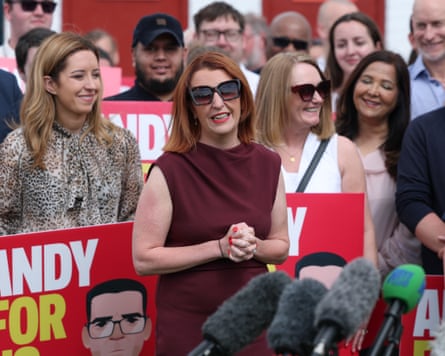
The battle for Burnham’s ear since he returned to Westminster has been intense, and close allies have acknowledged that, with so many MPs wanting to pitch for jobs or ideas, it has been hard to manage expectations.
“He’s never been more popular or powerful than he is right now. He knows that will only move in one direction,” one said.
His team has been exasperated by the speculation over cabinet posts – in particular whether Miliband or Shabana Mahmood would become chancellor – insisting he had always intended to focus on policy first.
Burnham’s plans for both policy and posts are sealed inside what MPs call “the black box” until next week. “We’ve kept it very tight but we do understand that’s driving some people mad,” one source said.
Even as late as Friday, Burnham said in his leadership speech that he had not made final decisions about who would be in his cabinet, prompting some raised eyebrows in the room. But those with knowledge of his thinking say that “other than dotting the ‘i’s and crossing the ‘t’s, he’s there”.
Burnham himself has been frustrated at the briefing. “It’s shown him the extent to which Westminster isn’t working in the interests of ordinary people and is very disconnected from their priorities. He wants to change the culture.”
With Burnham now installed as Labour leader, he will spend his final weekend back home in the north-west putting the finishing touches to the speech – written some time ago – that he will deliver outside Downing Street on Monday.
Allies believe it will reassure nervous MPs. “He’s got a very clear view of what is wrong with the country and what he wants to do to put it right. From that point of view, he’s far more ready than Keir was going into Downing Street,” one close ally said.
His team say he is personally well equipped to deal with the pressure. “He’s very calm. The rest of us have nervous breakdowns on a fairly regular basis. I’ve watched him make some very, very difficult decisions with relative ease, because he knows what he thinks.”
The incoming Downing Street operation has a three-stage plan in place: for his first two weeks in office – which it says is a particularly sensitive and important moment; the summer; and then longer-term.
Although there will be announcements next week, his team downplay the prospect of a “big bang” policy like Gordon Brown granting independence to the Bank of England.
“We know that there’s a very delicate balance between capturing people’s attention and not spooking the markets. Next week is a moment of real peril for Andy and while change is priced in, it feels like they’re teetering. We need to be very careful,” said one of his team.
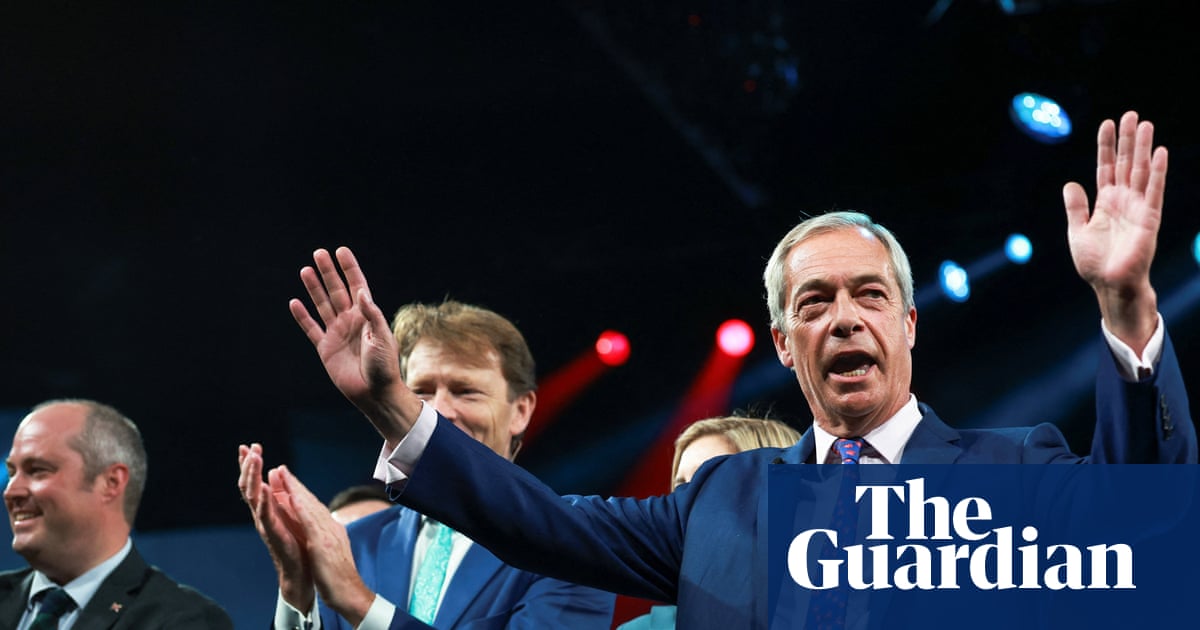
They hope that August will give them time to finesse the team, and for the new operation to get its feet under the table. Burnham will also be out on a summer tour of the country, with no plans to leave a news vacuum for Nigel Farage to exploit as Labour did last year.
But Labour MPs remain concerned about what lies the other side of Monday. One minister said: “They haven’t had enough time to prepare – and in my experience it’s preparation that breeds success. We could be in for some rocky times ahead.”