.png) 3 months ago
91
3 months ago
91
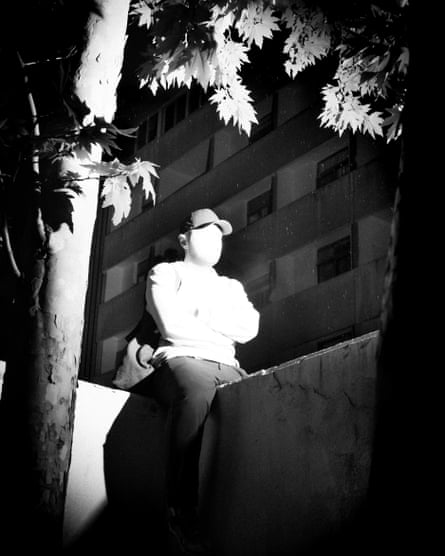
Mahsa*, 36, fashion designer
Mahsa is single and lives with her family. She has been working in fashion design for years and runs a page online where she sells her clothes. In recent months, she says she had achieved good sales and arranged for a prominent influencer to run a major promotion for her. But because of the current situation, the influencer returned the money, and her sales and page activity came to a halt.
Now she is left with money that has lost much of its value and winter fabrics she bought to make and sell clothes. With everything suspended, she has become very depressed, mostly staying at home and feeling unwell.
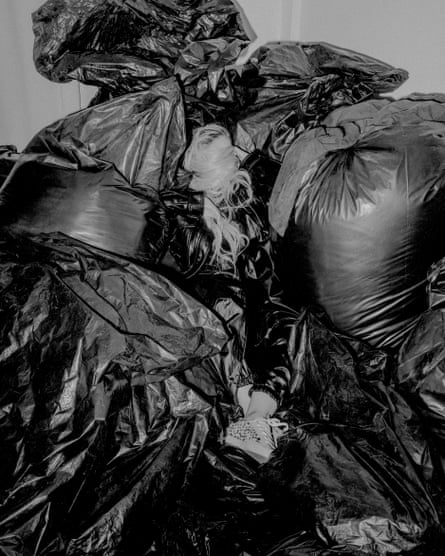
“I feel like I have to start all over again. Everything I worked for, all the effort I put in, is gone. I really don’t know what to do with these dollar prices. Even if the market opens again, how are we supposed to buy fabric and sell it at these rates?
“How can we even live? I love freedom. I want a day to come when there’s freedom in Iran. But I have no hope in these protests. The protests [after the death of Mahsa Amini] in 2022 were even bigger and nothing happened. I don’t think anything will change this time. I’m not in favour of war at all.”
Mahsa says she would be very happy if the regime fell and the government changed, but she has very little hope of this happening. She dreams of being able to build a comfortable life for herself. She and her family are facing financial difficulties now, and her father, in his 70s, is still working for a meagre salary, which deeply troubles her.
“This uncertainty, this suspended state, is what bothers us the most. Nobody knows what’s going to happen.”
Moien*, 40, clothing entrepreneur
Moien designs and sews clothing, and owns a store selling suits and other apparel. He has been able to rent a space and sell his work, but says his position is extremely precarious and unstable.
Now in his 40s, he feels the weight of a midlife crisis and is exhausted from running so hard only to feel that he has not truly achieved anything.
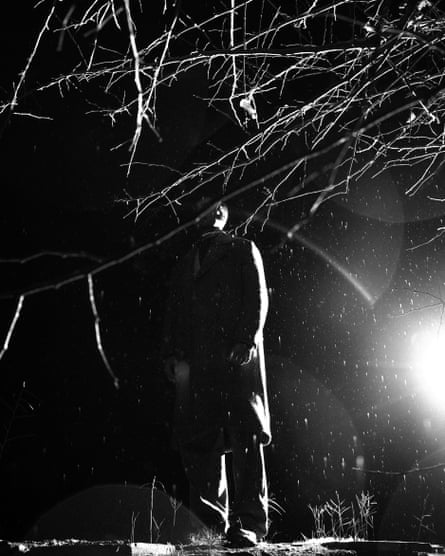
He has been married for a couple of years and lives with his wife in a rented apartment. With the sharp fall in the rial against the dollar, market strikes and the shutdown of online shops, Moien says he is facing heavy losses, with a large stock of winter clothing past its prime sales period and no effective way to sell it.
Iran is a country that has failed, says Moien. Even if the Islamic Republic were overthrown today, it would take at least 50 years to rebuild. And even then, it would not become an ideal country, just a normal, functioning one. He sees Reza Pahlavi, the exiled son of the former shah whose return some are now seeking, as a mere figurehead.
“Even if he [Pahlavi] sits at the top of Iran, he won’t be the one making decisions. He has never lived here, doesn’t understand the country, its crises or its politics. He’s not a strong politician. In my view, he’s just a puppet, and whatever they [US and Israel] tell him to do, he will comply.”
When asked about the future, Moien says that he plans to emigrate in the next three years to live with his aunt, but wants to continue his fashion business in Iran. One of his worries is what will happen to domestic producers like him when the regime changes. Will they be crushed immediately? He fears they will be devastated before they can recover.
Moien says his younger brother was recently summoned to the security prosecutor’s office for posting protest stories on Instagram, and his phone line had been cut. Having lost his parents, Moien is the only close family his brother has, and he pays his rent and living costs since his brother has never held a stable job and constantly faces financial difficulties.
Sasha, 35, sports coach
Sasha grew up in a middle‑class family, but says he was never given substantial financial support. From childhood, he worked on his own, earning money mostly through sports and coaching. He says he has been unable to secure a home or a stable life for himself and is still unmarried. He sees no clear future for himself or his generation.
“We’re basically written off. I don’t think we’ll live to see freedom or improvement in Iran unless it’s in old age, watching younger generations finally experience change.”
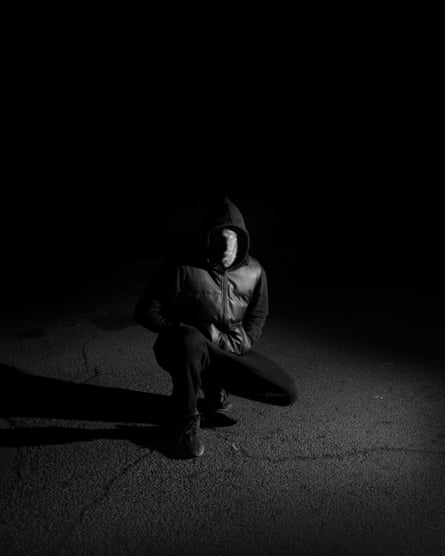
Sasha says he hopes for the collapse of the Islamic Republic and the establishment of a democratic republic in Iran’s future.
He believes in popular power, but says that unless the army stages a coup and weapons fall into the hands of the people, it is impossible to overcome the Revolutionary Guard, given the number of bases and arms depots they control.
Because he works under the supervision of a sports federation, he cannot express his protest publicly or on social media. The federation has threatened that any member who shares content about the uprising will be expelled.
Majid, 36, unemployed
Majid says he worked hard from childhood doing an assortment of jobs before working in decorative stone mines and eventually selling stones himself. But his business collapsed as he could not keep up with inflation. “After Covid, everything fell apart, both my family life and the country’s economy.
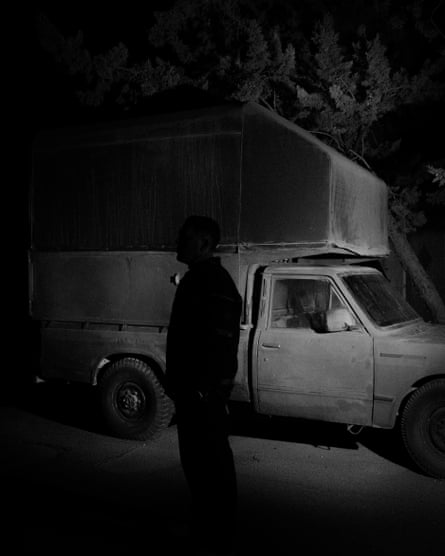
“I have reached the conclusion that staying inactive and not working actually brings more benefits. And not just me, all my friends reached the same conclusion. Whether they have money or not, everyone has decided that in this situation, doing nothing is better. My friends don’t work any more. They just smoke.
“What can I really do? I’ve wrecked myself. And I keep thinking: how is a young beginner, someone who wants to build a life, even supposed to start? After all these protests, the [cost of the] dollar and gold hit record highs.
“My separation from my wife – if you look back at it – economic conditions were one of the reasons. We bought a house on instalments and couldn’t keep up with the payments. The government has created a situation where everyone wants to screw each other over just to survive.
“I honestly see no clear future for Iran any more. Either the country gets sold off so the Islamic Republic leaves and then it’s finished that way. Or it stays and drives the country into absolute ruin. Either way, it’s ruined.
“I’m not optimistic about anything. I’m just standing still, waiting to see what happens. After separating from my wife, I became depressed. The only thing keeping me alive is theatre rehearsals. It’s the only place where I can escape this numb depression.
“My brothers, every one of them, are drug dealers. They’ve spent years in prison. I was the ‘good kid’ among them. I tried to make a living the right way and that turned out to be impossible too. My only wish is that one day Iran reconnects with global trade. Our kids are full of brilliance, full of talent, sharp and intelligent, but in isolation, they’ll never flourish.”
Hasan, 29, gold market trader
Hasan works in the gold market inside Tehran’s Grand Bazaar, where the protests first started in December. He says the bazaar merchants had been talking for a long time about striking and protesting as inflation drove prices ever-higher.
“It’s true that as gold prices rise, the capital of some gold sellers increases, but their customers are disappearing, and they themselves oppose these price hikes. People’s purchasing power keeps falling. This uncertainty and lack of clarity exhausts me and fills me with despair, but I remain committed to the strikes and hope good things will happen.”
“I believe these protests and demonstrations will eventually create some change. They can be effective over time. I think these uprisings will happen repeatedly, in several phases, slowly, and each time there will be more defections.”
Hasan says the core of the Islamic Republic must be removed, but that the structures themselves should remain in place to prevent chaos. “Gradually, reforms and changes should take place within those structures and competent people should take over. Otherwise, I have no hope in regime change through war or sudden collapse, and I don’t support it. The consequences would be terrifying, and I’m not optimistic about that path. I prefer gradual reform.”
Ashkan, 28, unemployed
Ashkan is 28 years old and lives alone in a house in northern Tehran. He is financially well-off; his father, who owns several well-known restaurants in one of Iran’s provinces, gives him a generous allowance every month. He says he used to work in the market, but now he doesn’t have a serious job and relies on his father’s money.
He says the Islamic Republic will be finished by the end of this month. “I’m certain that by the end of January, the US will intervene, the Islamic Republic will fall, Pahlavi will come and everything will be perfect.”
When asked what his father thinks, Ashkan says: “He’s also praying for Pahlavi to come. He’s been saying for a long time that the Islamic Republic is doomed and that they will go.” He says his father’s businesses have not been affected by the strikes. “My father says that during these days the government had closed things, a lot of travellers came to our town, and actually, the food sold better than usual.”
Farshad, 37, interior designer
Farshad lives alone in a rented apartment and is single. He is under significant stress due to debts he has taken on for his work, explaining that he borrowed in dollars, and since then the exchange rate has doubled. He pays an extremely high rent, but says at his age, living with family is no longer an option.
He says he does not think anything will change with protests, but says that if the Iranian president resigned and the US intervened militarily, the situation in the country would ultimately improve. There would be an initial economic shock and hardship, he says, but in the long run, reconnecting with global markets would make life better for everyone.
“I’m not a supporter of Pahlavi. He says he will hold a referendum, buy I don’t really believe it. Khomeini [the former supreme leader] used to say the same things. Still, I’ve reached the conclusion that even Pahlavi coming to power would be better than the current situation.”
Farshad says university students have not yet entered the protests in a serious way. If they do, he believes the movement would become more progressive and move beyond Pahlavi being seen as the only option. In his view, the best possible scenario is for the protests to continue expanding, while the US and its allies strike at the forces and commanders of the Islamic Republic, allowing Iran and the protests themselves to fall into the hands of the people.
Even if conditions remain difficult after a regime change, he wants to remain in Iran and be present for the transformations and upheavals.
* Names have been changed and interviewees kept anonymous