.png) 3 months ago
52
3 months ago
52
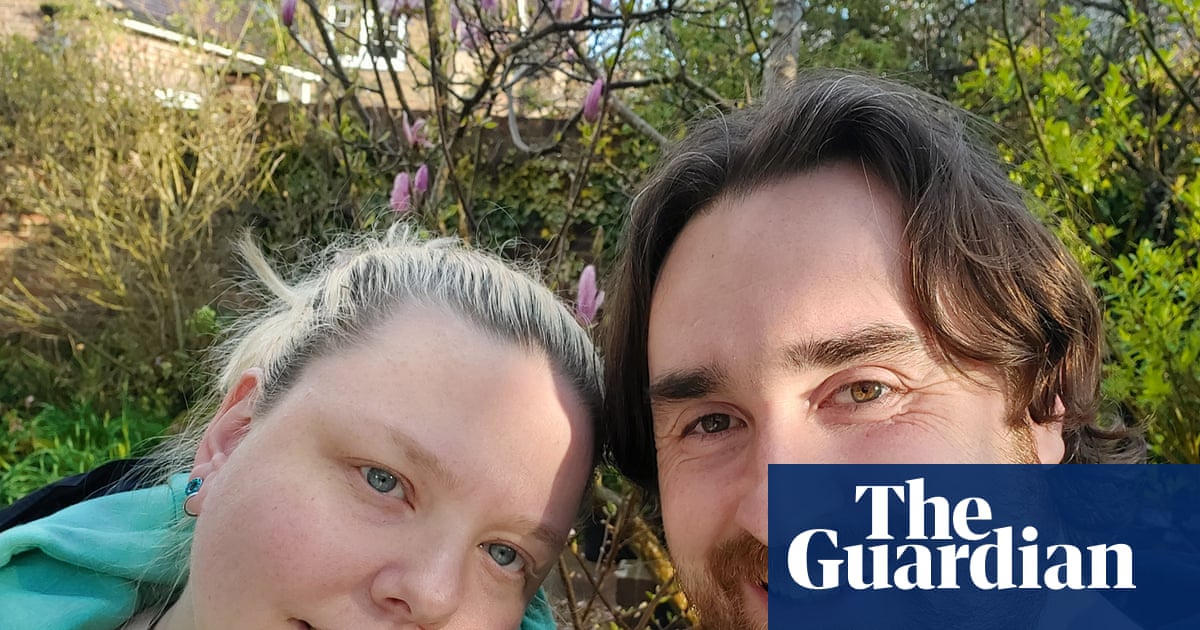
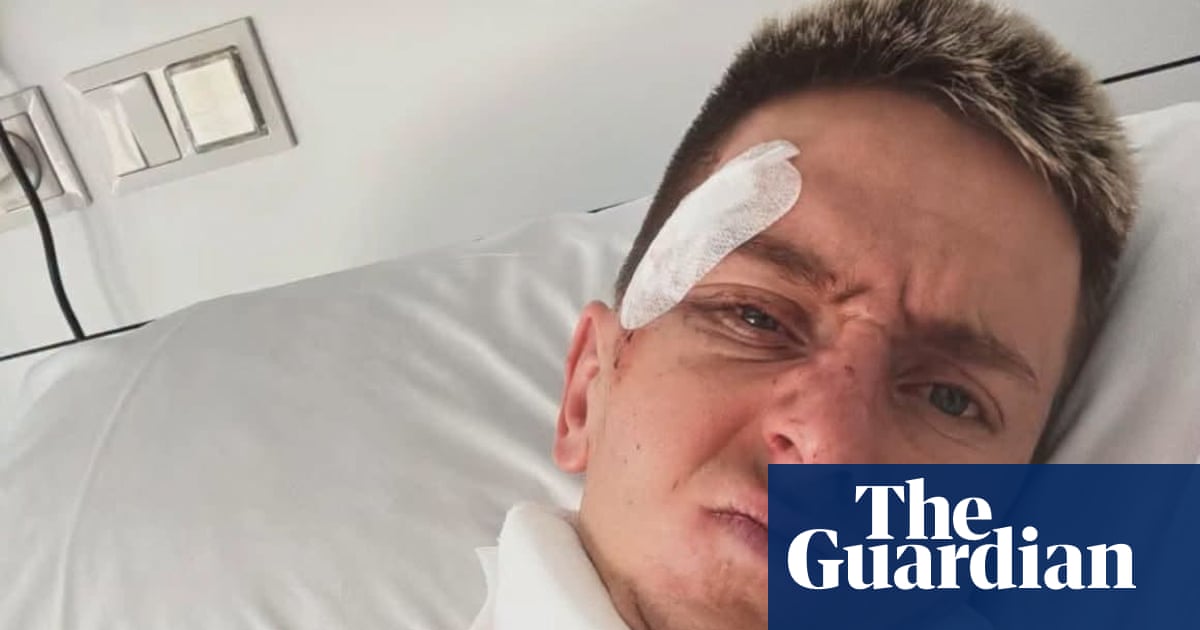
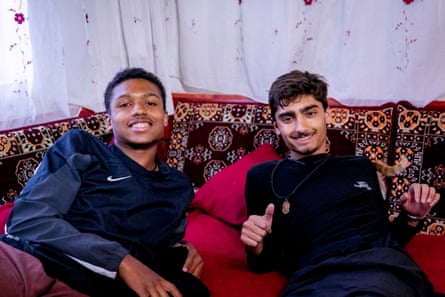
As he takes a break from searching for walnuts in the ancient forest of Arslanbob, western Kyrgyzstan, 19-year-old Kush Burman reflects on his relationship with his travelling companion and best friend, Jo Diop.
“I think it’s only in the past couple of days that I’ve realised how much I value having Jo here,” he says, his eyes wet with tears. “I just really appreciate the fact that Jo’s always up for sort of looking after me, in a way. I don’t think Jo will understand, like, the difference it makes.
“I mean, yeah, he’s my best mate.”
The two lads from Liverpool, the breakout stars of the latest series of the BBC’s Race Across the World, which came to an end this week, initially described their voyage as a final “side quest” before heading into adult life.
Yet as they bussed, taxied and occasionally sprinted from Sicily to Mongolia, they unintentionally unlocked another achievement. Their openness and unshakeable mutual support has cast their friendship as an antidote to the debate around toxic masculinity.
The pair’s kindness also underlined the show’s brand of uplifting television that is at odds with the friction and meanness that have become the hallmarks of many reality TV formats.
Capturing that feelgood factor, however, came at the end of an exhaustive process to cast the five pairs who embarked on the 7,500-mile (12,000km) journey, involving rounds of background checks, interviews and meetings.
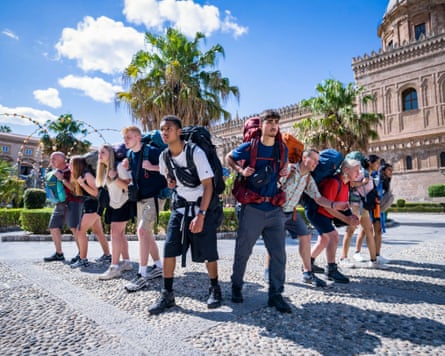
Producers cast their net across the generations and scoured for small details in the relationships of thousands of prospective travellers.
“Casting producers are really looking for that little story that makes them different – and honestly, that is such hard work,” said Fatima Salaria, an experienced executive producer who has worked on shows such as The Apprentice.
“The show is literally a race, but what you are seeing are these beautiful relationships, this personal growth and all these encounters with strangers. There is a real kindness there you don’t really get on telly anymore.”
Another TV insider said that, in a world full of bleak news, distributors were demanding “more feelgood TV”.
“There just hasn’t been enough joyous, funny television being commissioned for a while, and then when things come along that are, everyone loves them,” said Ben Wicks, creative director at production company Expectation TV, which has recently commissioned feelgood reality shows such as The Dyers’ Caravan Park.
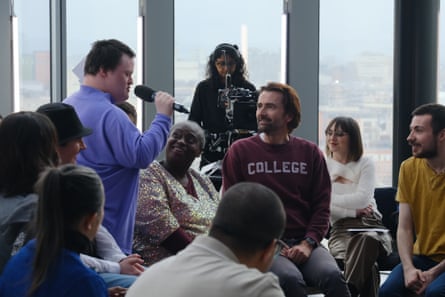
“The joy of operating in the real world in this way is not only that you tell stories that really aren’t told anywhere near enough on television – working class stories that just get ignored – you’re also able to do it in a way that’s really compelling. So it’s real, and it goes to places that you would never expect it would go.”
Race Across the World also finds pairs wanting to embrace the travel experience without the ambitions of fame that come with other formats. And once the cast is in place, the key to unlocking the show’s humanity lies in letting the cameras roll.
“The joy comes from watching people be themselves,” said Michelle Singer, an executive producer of The Assembly, the acclaimed show in which an audience of neurodivergent people ask a celebrity unpredictable questions. It, too, has been praised for its big heart.
On both programmes, Singer said, there is “time and space to listen to one another and to enjoy each other’s company”.
In the latest series of Race Across the World, it is Jo and Kush who captivated audiences the most. Having started out in hapless fashion, they eventually found their hiking boots to become serious competitors to the very end.
The pair’s temperaments could not be more different. Kush talks of ongoing struggles with anxiety and opens up about the impact of his stepfather’s death, while the zen-like Jo knows when to let his friend vent and when to try to boost his morale.
There are quiet moments of tenderness, such as Kush thanking Jo for staying up with him as he struggled to calm his mind. In Turkey, Kush spots a basketball court – a perfect spot for Jo to decompress. “I can tell Jo needed this,” he says.
Whether or not they won, for those who didn’t see it, is a question best answered on BBC iPlayer.
For MPs who have battled to highlight positive examples of masculinity, the pair and the show have been the perfect tonic.
“I am the mother of two young men and this is my experience of young men’s relationships - we don’t see that enough,” said Jess Phillips, the former safeguarding minister.
“There are nasty influencers we need to worry about, but men and boys need to see this, which is like their real lives. Being kind and looking after each other – that’s real masculinity.”
Amanda Martin, the co-chair of Labour’s men and boys parliamentary group and mother to three sons, added: “It’s that ‘lads’ friendship: it’s real support and it’s not weakness. Representation matters. Programmes like this really do remind us that there are other ways for men to be.”