.png) 3 months ago
77
3 months ago
77
Culture – Shelby murals and Sabbath shrines
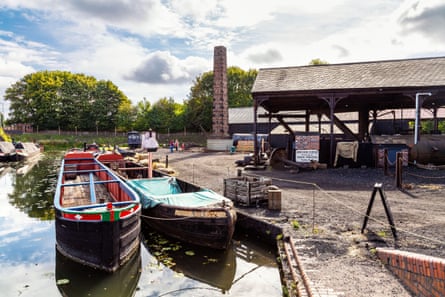
The runaway success of the TV crime drama Peaky Blinders has been credited with boosting tourism to Birmingham and the West Midlands since it first aired in 2013, even though much of the series was actually shot farther north, in Merseyside, Yorkshire and Manchester. The release this week of the Peaky Blinders movie The Immortal Man (much of which was filmed in and around Birmingham this time) will undoubtedly generate a new wave of interest, particularly in the Black Country Living Museum in nearby Dudley, whose authentic recreations of streets, houses and industrial workshops appear in key scenes in the TV show and the film – most notably as the location for Charlie Strong’s yard (pictured below).
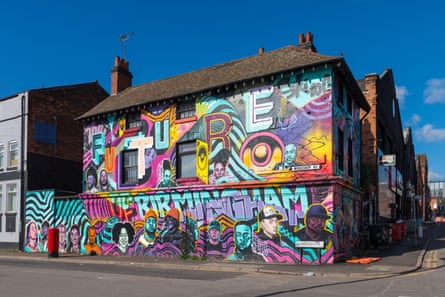
At the Digbeth Loc. Studios, where much of the new movie was shot, fans can also see Peaky Blinders murals created by artist Mr Murals. A walking tour of the city with a guide dressed as “Edward Shelby” (from £20pp, viator.com) is well worth a couple of hours, while historic mugshots, artefacts and the original cells in which members of the real-life Peaky Blinders gang were once held are now on show at West Midlands Police Museum.
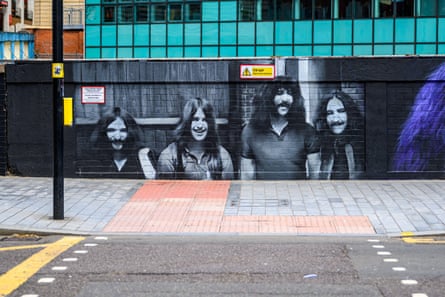
The city has also become something of a pilgrimage site for heavy metal fans, especially since the final Black Sabbath concert at Villa Park last summer and Ozzy Osbourne’s passing just over two weeks later. There are Ozzy and Sabbath landmarks all around the city, including another of Mr Murals’ artworks on Navigation Street, near New Street station, which all four members of the band visited and signed ahead of the concert. A couple of minutes’ walk away is The Crown pub (now sadly closed) where Sabbath played their first gig and heavy metal was born out of Brum’s industrial clank. Sabbath also feature on murals outside Scruffy Murphy’s rock pub and beside Birmingham coach station in Digbeth – and no pilgrimage would be complete without a visit to Black Sabbath Bridge on Broad Street, where Ozzy’s widow, Sharon, and children Aimee, Kelly and Jack laid flowers during his funeral procession.
Birmingham’s metal connection doesn’t end there – the Jewellery Quarter is a pilgrimage site of a different type, mainly for couples looking for wedding bands. It’s said to house Europe’s largest concentration of jewellers and produce 40% of the UK’s jewellery; the FA Cup was even produced there. The quarter also boasts quirky attractions such as the Pen Museum (Birmingham once produced 75% of the world’s pen nibs) and the UK’s last coffin furniture factory, The Coffin Works, now a museum, whose long history includes decorative coffin fittings for the funerals of Diana, Princess of Wales, and the queen mother, among many others.
Where to eat – from fried chicken to fine dining
In the city centre, John Bright Street is a great place to start – brunch at kitsch indie cafe-bar Cherry Reds is a good shout, while cider and speciality sourdough pizza spot The Stable remains underrated. Save some room for grungy, rock-themed fried chicken joint Bonehead, on the adjacent Lower Severn Street – a hangout for the Osbournes, Slipknot, Jason Momoa and Mogwai in recent times. In the Jewellery Quarter, the Saint Paul’s Market food hall has seven indie kitchens, including Persian, Indian, Thai and more.
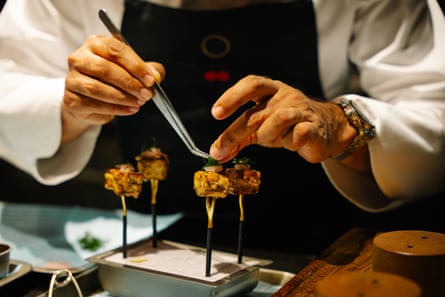
Birmingham is also a city of fine dining – in 2019, Opheem became the first Indian restaurant outside London to be awarded a Michelin star; it now has two. Meanwhile, the Jewellery Quarter’s inherently alternative, goth-black restaurant (housed within a former factory, of course) The Wilderness has just won its first Michelin star, taking the city’s total to five. Chef-owner Alex Claridge cooks modern British fare using seasonal ingredients, such as rhubarb and rocket, that probably shouldn’t sit on the same plate, but pair surprisingly well. His menus are designed to surprise and provoke the senses – as is the heavy rock playlist.
Where to drink – from a pint of mild to craft beers
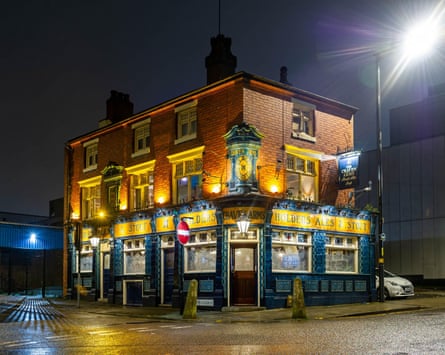
It feels like every family in Birmingham once had someone working at one of its famous breweries, Mitchells & Butlers or Ansells. It’s therefore no surprise that pub culture remains very much alive in a city that birthed one of the region’s classic pints: M&B mild. Traditional pubs serving similar ales from around Birmingham and the West Midlands pepper the city – try Black Country Ales’ pubs The Craven Arms, The Jewellers Arms and The Wellington for starters. And don’t forget to order a cheese and onion cob to go with your pint for the full West Midlands experience.
The modern craft beer revolution is also very much alive in the city, with Attic Brew Co.’s Intuition most definitely the most poured craft pint in Brum (cans are also stocked on CrossCountry trains). Sample their wares at their central taproom, The Barrel Store in Stirchley.
Nightlife – from Irish boozers to experimental music
Much of Birmingham’s best nightlife can be found in Digbeth, the city’s original Irish quarter (where the Peaky Blinders also once roamed). Pubs such as Nortons, The Old Crown, Cleary’s and The Anchor offer some of the best Guinness, trad music sessions and craic this side of the Irish Sea. Digbeth is also the city’s creative quarter, and home to experimental concert promoter Capsule, which brings equal parts peculiar and brilliant musicians to Brum, who might otherwise skip the region completely. Keep an eye out for Capsule’s Supersonic festival, an award-winning event running since 2003 and scheduled for 25-26 April this year, that takes over venues in Digbeth. One such is Centrala, an experimental arts centre and exhibition space that supports central and eastern European migrant communities.
After hours, dance to northern soul at The Night Owl, or head to venues such as Dead Wax, Suki10c, Lab11 and Mama Roux’s for parties ranging in genre from house to jungle.
Stirchley – the hispter hotspot for cocktails and breweries
A 10-minute train ride south of New Street station is Stirchley, a neighbourhood of award-winning indies that continues to thrive. Take Couch, for example, just named the UK’s number one at the 2026 Top 50 Cocktail Bars awards, and South African-British fusion restaurant Riverine Rabbit, which was recently awarded a Bib Gourmand by Michelin.
Stirchley is also known locally as the beer hub of the city, with three major brewers (Attic, Birmingham Brewing Company and GlassHouse) within a half-mile radius; all three have taprooms. In keeping with Birmingham’s liking for a pint or few, the Stirchley Beer Mile takes in those three plus two award-winning bottle shops and at least 10 pubs and bars on an easy walk between Stirchley and Cotteridge. Don’t miss Bonehead’s dive bar Deadbeat, a similarly grungy rock bar that sells Pabst Blue Ribbon on tap and often hosts NYC-style pizza slice pop-ups.
Where to stay – Georgian hotels and modern townhouses
Boutique hotel Saint Pauls House in the Jewellery Quarter (doubles from £99) sits on the city’s last remaining Georgian square and offers comfortable rooms, waterfall showers and plush beds. Or stay around the corner at the modern Frederick Street Townhouse (doubles from £99), which is connected to the popular Button Factory pub.