.png) 3 months ago
40
3 months ago
40
Dozens of hereditary peers - including the Duke of Wellington, landed aristocrats and millionaire business chiefs – have been criticised for battling to unpick Labour’s plans to boost workers’ rights.
In a fresh setback for the government, the Lords voted to support a string of Conservative-backed amendments to the employment rights bill late on Monday for the third time running.
In a protracted showdown with the upper chamber, the Lords vote curtails a manifesto promise to give workers the right to a guaranteed hours contract, and day-one protections against unfair dismissal.
Those who supported efforts to water down the plan included 47 hereditary peers, 93 barons, 16 earls and seven viscounts.
They included Charles Wellesley, the ninth Duke of Wellington, who sits as a crossbench hereditary peer.
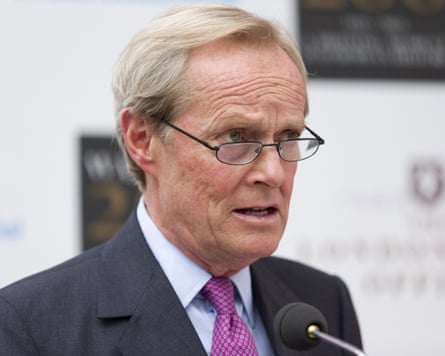
A former Conservative MEP who carried the Queen’s crown in King Charles’s coronation procession, he is a descendent of the first duke Arthur Wellesley, who led the victory over Napoleon Bonaparte at the Battle of Waterloo in 1815.
Trade union leaders and senior Labour figures have criticised the Lords. Paul Nowak, the general secretary of the TUC, said: “The sight of unelected hereditary peers blocking stronger rights for millions belongs in another century - not modern Britain.”
Justin Madders, the former Labour employment rights minister, added: “These unelected peers, with jobs for life, should not continue to downgrade and delay our plans to give everyone proper security at work.
“We have a democratic mandate to deliver this massive increase in workers’ rights and the Lords need to realise their obstruction makes them look out of touch, undemocratic, and firmly against the interest of working people in this country.”
Ministers have committed to throw out the Lords amendments, despite unease among some figures in government, with business leaders warning the changes could hurt jobs and the economy.
A Labour source said the amendments were “pretty tone deaf” because the employment rights bill was a manifesto pledge. The Lords typically have an unwritten agreement not to vote against such measures. However, Labour is in the process of abolishing hereditary peerages.
after newsletter promotion
There are currently 85 hereditary peers, including 44 Tories and four each from Labour and the Liberal Democrats.
“They’re not representative of the wider population, and what we’re trying to do is to bring employment rights up to date and make sure people have rights at work which protect them,” the Labour source said.
Industry chiefs have stepped up lobbying against the workers’ rights changes, warning that employers are already slashing jobs and putting up prices in response to tax rises in the chancellor’s first autumn budget.
Among those voting against Labour’s plans in the Lords included dozens of senior business figures and millionaires.
The Apprentice star Karren Brady, who sits as a Tory peer, was joined alongside former BT chief executive Ian Livingston and Cobra beer magnate Karan Bilimoria, who sit as non-affiliated peers.
Others with a business background include the Tory financier James Lupton and CMC Markets founder Peter Cruddas.
Andrew Griffith, the shadow business secretary, said the Lords defeat showed businesses were concerned about “Labour’s unemployment bill” and called for the government to change course.
“Labour should show some backbone, stand up to the trade union bully boys, back British businesses and compromise on this awful bill.”
It comes as ministers face pressure to implement the package “in full” after Keir Starmer’s September reshuffle fuelled unease among unions following the resignation of Angela Rayner, who had championed the plan.
Christina McAnea, the general secretary of Unison, said: “Dukes, barons and earls shouldn’t be standing in the way of sensible measures that will improve working life, rebuild the economy and stop exploitation.
“Good employers already do this because they know well-treated employees are less likely to leave and more likely to perform well.”