.png) 3 months ago
70
3 months ago
70
The first time I saw a pearly, I was sat on a fairly empty midday Northern Line train. As it screeched to a standstill and the doors opened, an elderly gentleman appeared, head to toe in shimmering buttons that were sewn into his black suit. I was fascinated by this man and his bold clothing choice, and I was intrigued to find out more about what this outfit represented.
I later learned he was a member of the pearly kings and queens.
At the heart of the pearly kings and queens tradition stands Henry Croft. Raised in a Victorian orphanage in Somers Town, Henry became a road sweeper and rat catcher. He grew close to the market traders known for their community pride, rich cockney slang, and outfits, trimmed with mother-of-pearl buttons. Inspired by their fashion and their spirit of mutual aid, Henry created a full suit elaborately decorated with pearl buttons, to draw attention while raising money for the orphanage where he grew up.
Henry’s suit became an icon and so did he. Hospitals and charities across London called on him to aid them in collecting funds. Henry turned to the market traders to help meet demand. In 1875 the pearly kings and queens were born, a network of 28 pearly families – one for each London borough – who have passed the titles and responsibility of raising money for charity down generations.
-
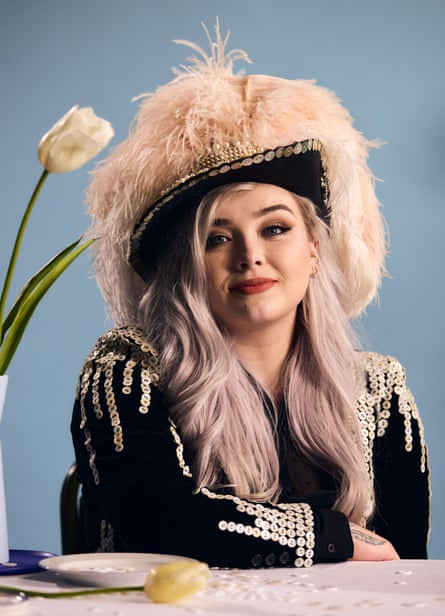
Shannon Crowe, the pearly queen of Haggerston
Not just anyone can become a pearly, the privilege of a title has to be passed down or earned. Children are raised as a pearly prince or princess, eventually taking their parents’ titles. Other members of the family such as cousins can also be passed titles. Rarely, an individual outside the family can join, but only if they have strong connections to the family can they be invited to be a “pearly pride” and hold a title.
-
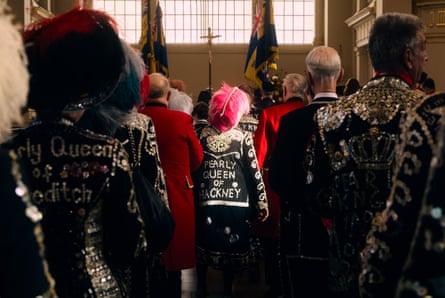
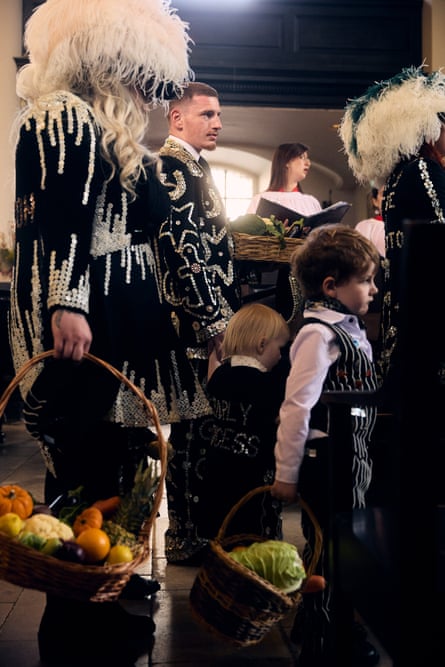
The pearly queen of Hackney walks into St-Martin-in-the-Fields church, during the harvest festival
-
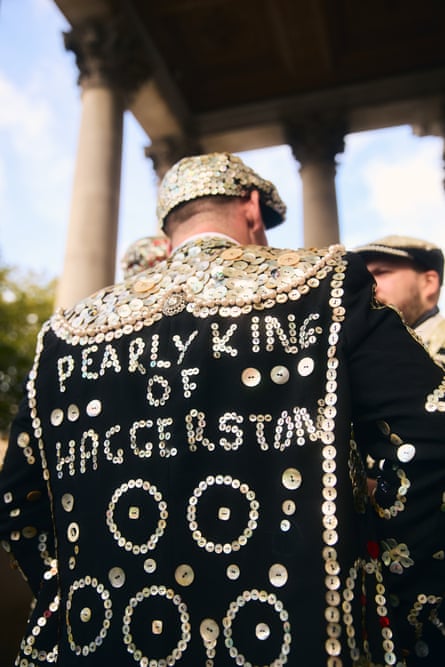
Michael Goodwin, the pearly king of Haggerston at the harvest festival
-
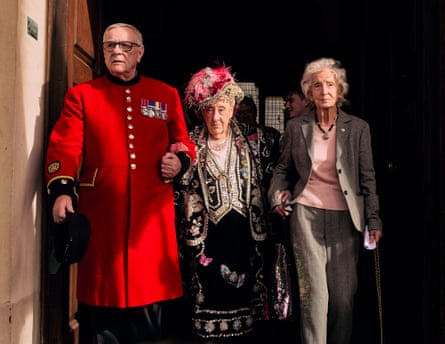
Jackie Murphy, the pearly queen of Hackney, leaves St-Martin-in-the-Fields after the harvest festival
Once in the pearlies, members make a lifelong commitment to raising money for charity. This is done through fundraising on the streets and hosting larger events such as their annual harvest festival, held at St-Martin-in-the-Fields church by Trafalgar Square.
The pearlies in 2025 have moved with the times and now have a social media presence and a new generation of young pearlies coming through. There are, of course, newly adorned suits, with each individual’s creative flare shining through.
-
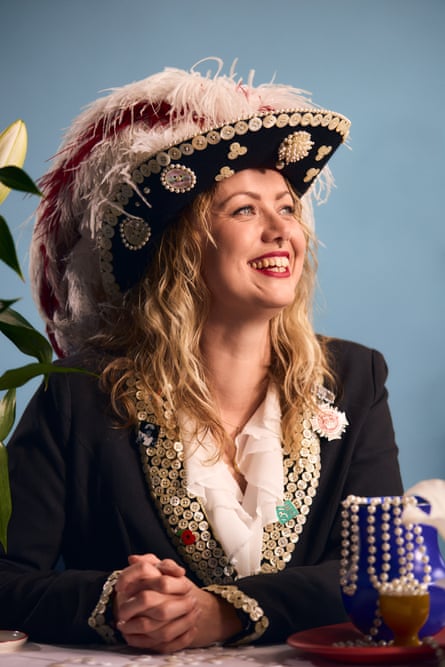
Ashleigh-Rose Harman, the pearly queen of Royal Kensington.
As it is the pearlies’ 150th anniversary, I reached out to Ashleigh-Rose Harman, a younger member. She welcomed me to take pictures of the pearly families.
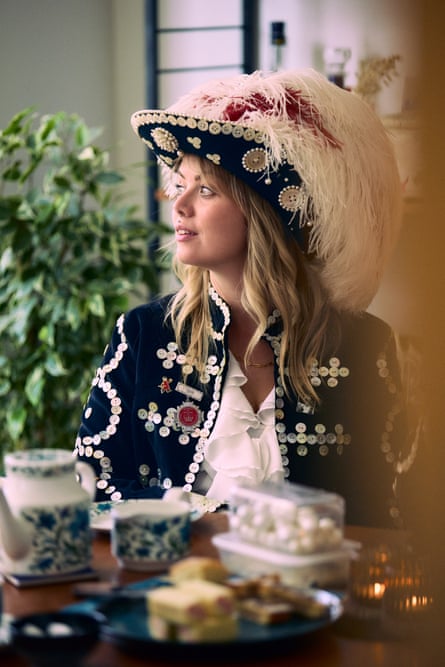
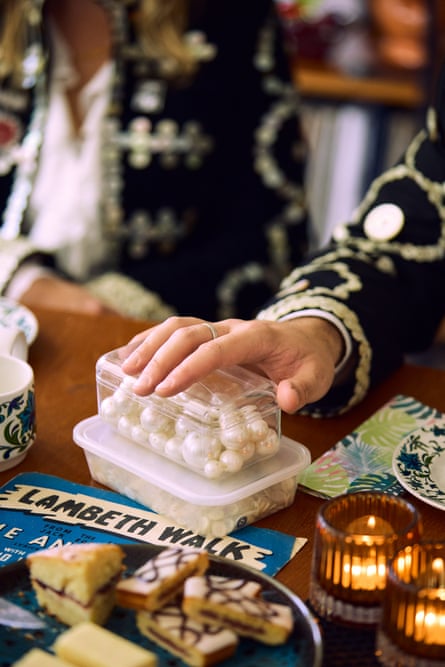
-
Ashleigh-Rose Harman shows off the tools of her trade at home
Focusing on how people find their own sense of belonging and identity is something I’ve explored over the last decade as a photographer. Whether that be young hopeful matadors in Spain, through to lowriders in Los Angeles. Within all of these groups, I’ve found there is a sense of pride, a respect for their history and a need to be part of something bigger than themselves.
I asked Ashleigh about the importance of being involved with the pearlies. “It’s about having a connection to my history in a way – my family have been part of the pearly tradition for over 100 years. There’s something special about putting on buttons and knowing that I’m continuing work that members of my family dedicated themselves to.
“It’s also a really important part of London history and it feels great to be part of that eclectic collection of stories. It’s also an enduring working-class tradition that I would never want to disappear, it was born out of community and the responsibility of looking after those around you who need help. When I look at how many communities are struggling at the moment, I think that ethos is more relevant than ever.”
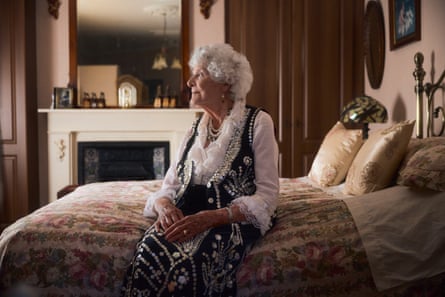
-
Phyllis Broadbent, the pearly queen of Islington, at her home in Clapton
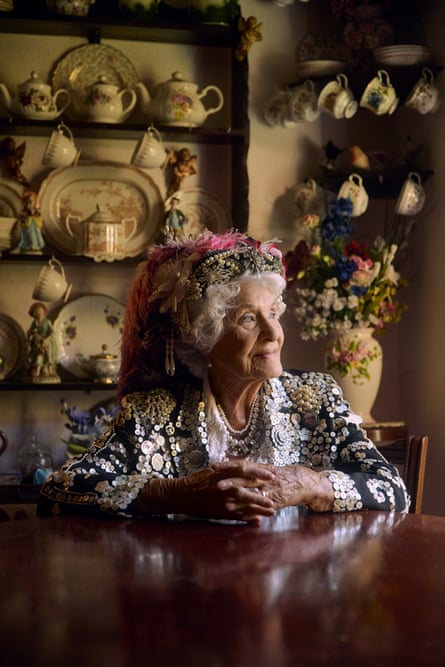
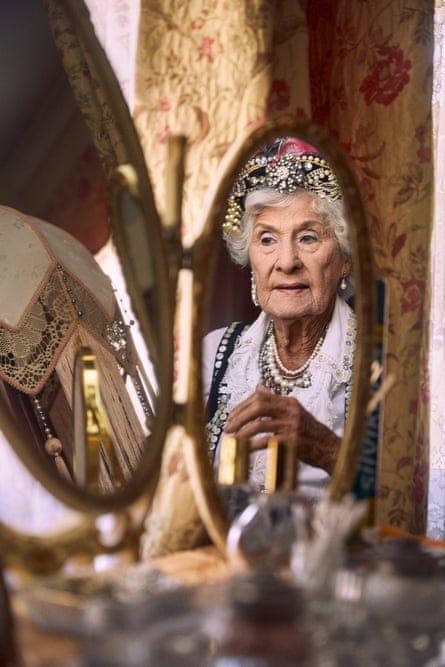
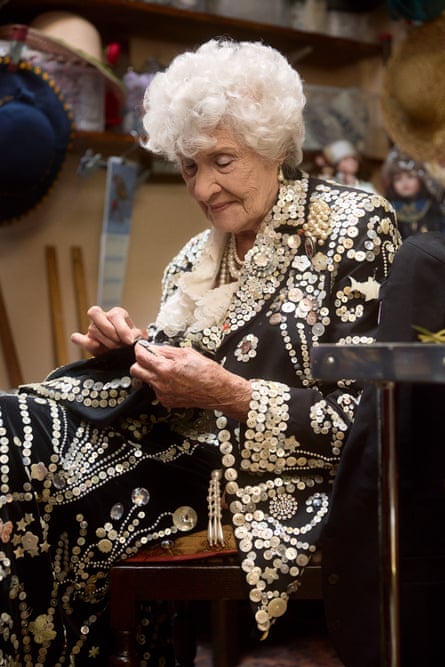
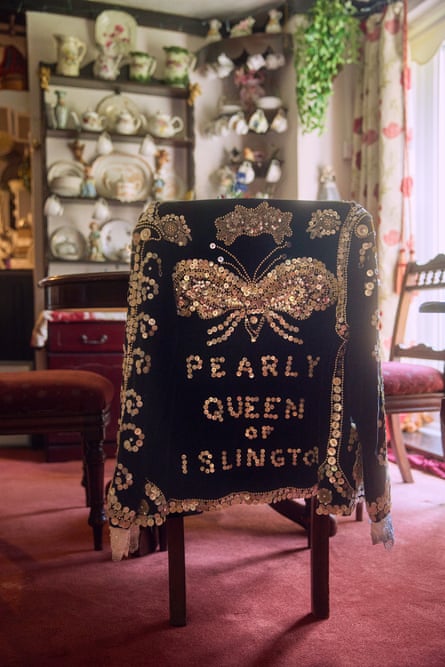
Throughout the year, I’m introduced to many more of the pearlies. I visit 98-year-old Phyllis Broadbent at her home in Clapton. On arrival, she greets me dressed head to toe in her buttons and welcomes me into her immaculate house that feels somewhat of a 60s time trap.
We talk about the history of the pearlies and how she hopes the younger generation will carry on the traditions. Phyllis is the most senior member of the pearlies and there is a 96-year age gap between her and the youngest members, Olive and Phoebe, the princesses of Haggerston and Wembley who are just two years old.
-
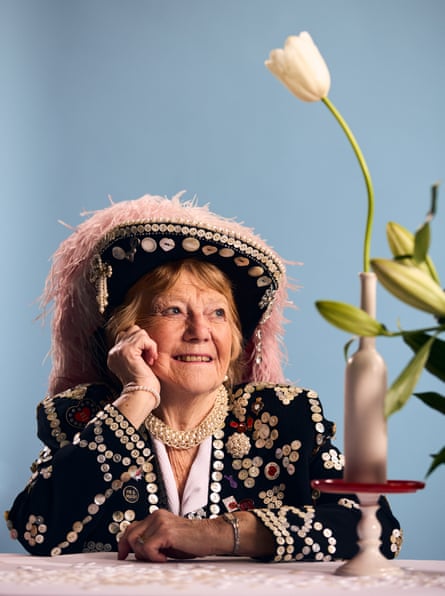
Wendy Loftus, the pearly queen of Borough
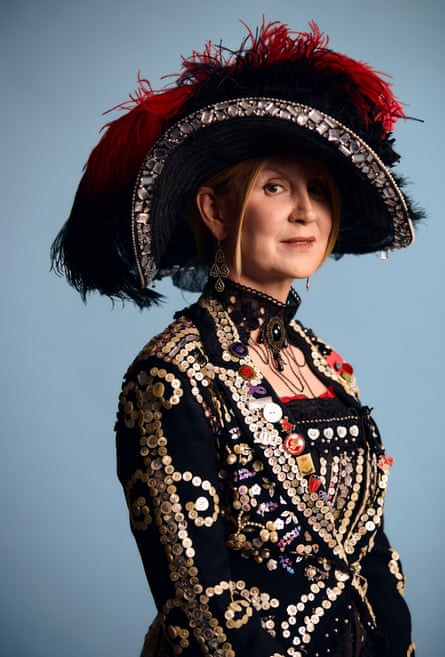
-
Linda Murphy, the pearly queen of Shoreditch
With all generations represented within the pearlies, I ask how important it is for the pearlies to be multigenerational.
“Like any family, it only works with a blend of experience, knowledge and energy. Every member of the association brings something vital that keeps it going. It’s a very odd and at the same time incredibly special tradition to be part of, and it would never continue to be successful if there was an age limit.”
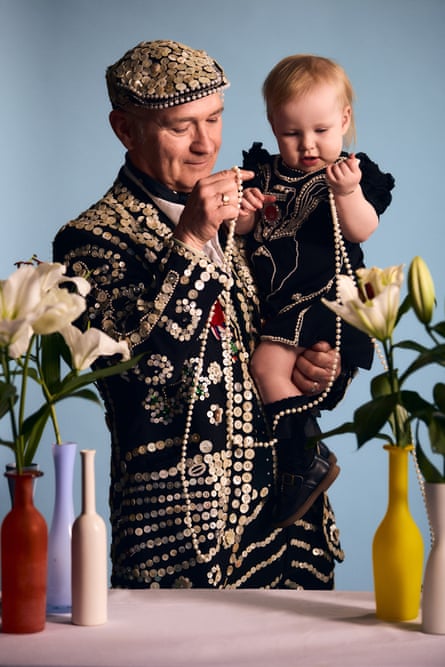
-
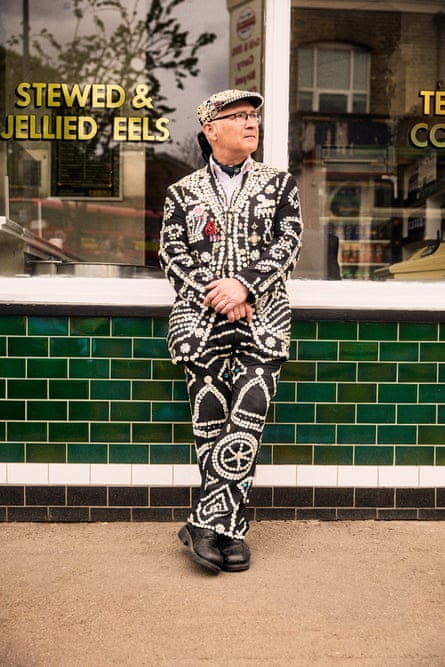
Keith Crowe, the pearly king of Homerton
Ashleigh goes on to say: “For me, looking at those pearlies in their 80s and 90s who are still getting their suits on, doing the Lambeth walk and shaking collection tins, shows that it’s a tradition that really becomes part of your reason. Then, when I look at our littlest in their gowns at their pearly christenings, it’s a look into the future and all the possibilities of what London can be. It’s special.”
I’m left with the impression that the pearlies are essentially one big family, with a sense of pride in their community, history and an aspiration to help others in need.