.png) 3 months ago
63
3 months ago
63
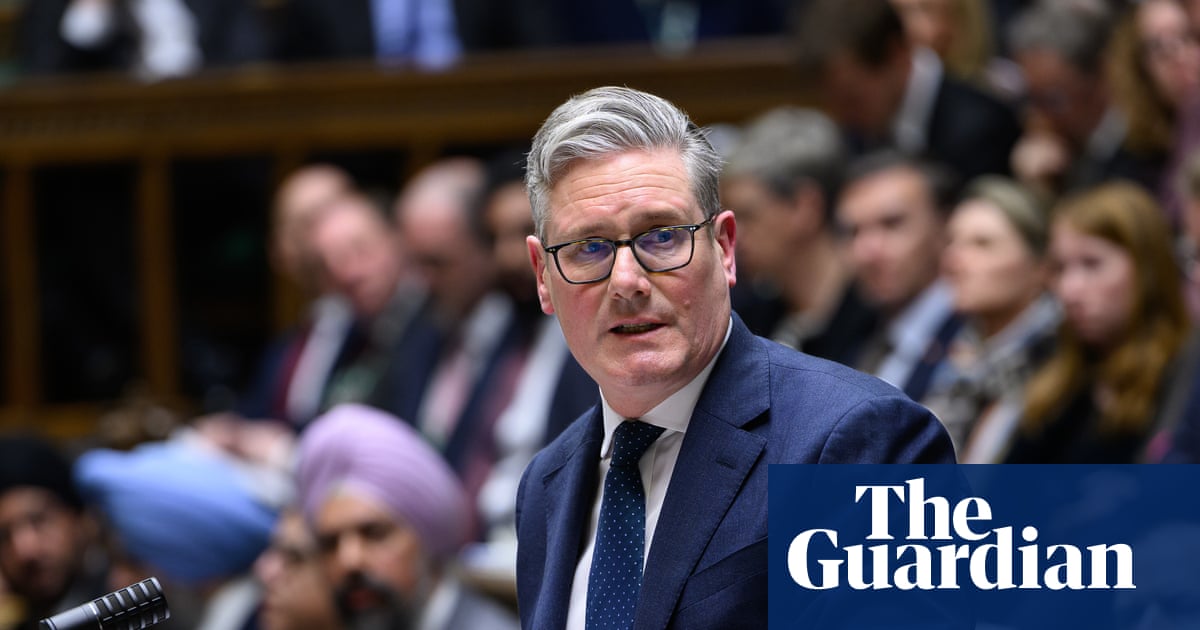
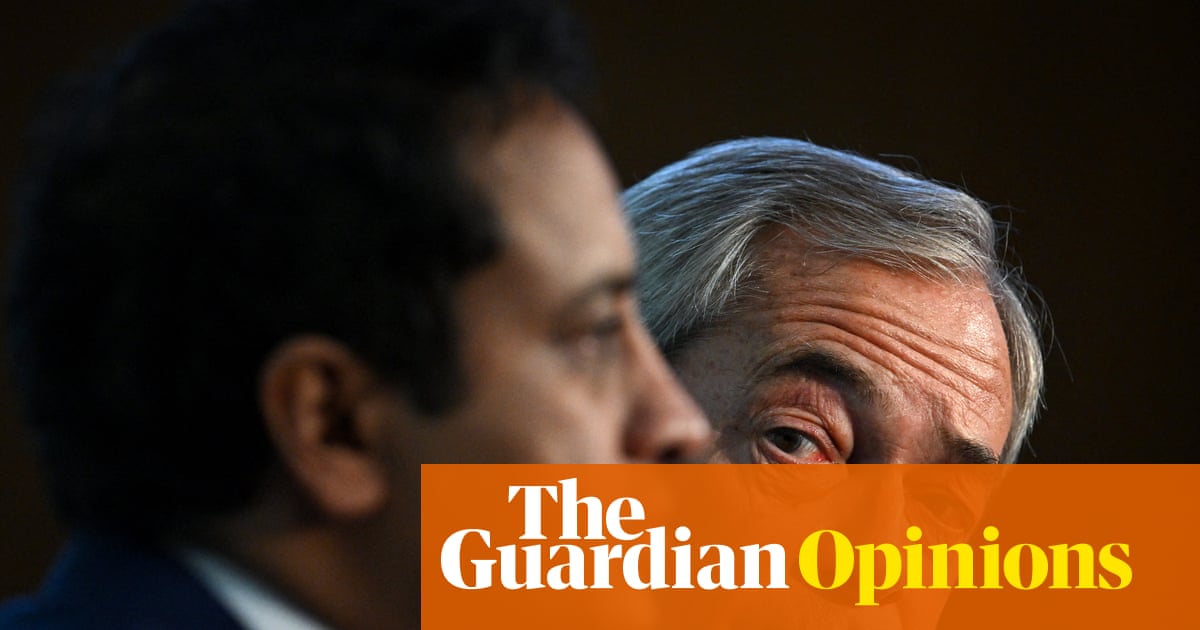
Keir Starmer has increased pressure on the head of the government’s spending watchdog over the budget leak by saying that while he was “very supportive” of the institution, a “serious error” had been made.
The prime minister said the breach of market-sensitive information, shortly before Rachel Reeves delivered her statement last week, was a “massive discourtesy” to parliament.
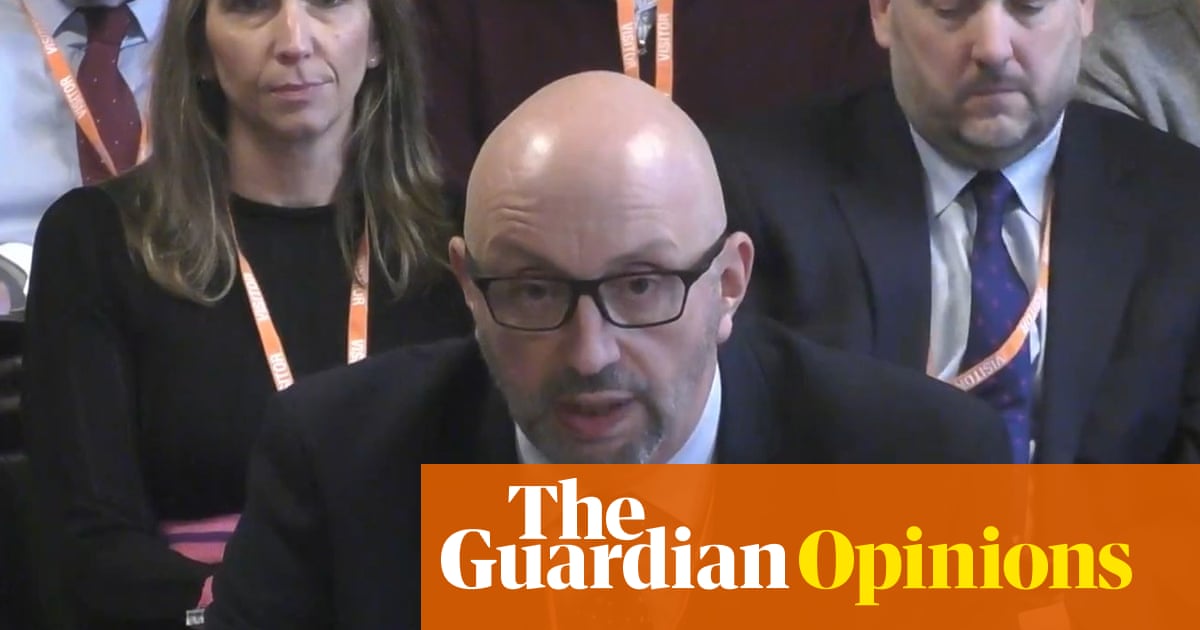
The Office for Budget Responsibility (OBR) is expected to publish the result of its leak investigation on Monday afternoon, with the future of Richard Hughes, its chair, looking increasingly uncertain.
Starmer defended his chancellor in a speech that No 10 hopes will bolster Reeves’s position after days of criticism that she misled the cabinet, MPs and the public by claiming there was a hole in the public finances to justify tax rises.
While rebutting those claims, he also set out a multiyear economic plan based around deregulation, further welfare overhauls and closer European ties before the next election.
And he told his audience he was confident the UK had “walked through the narrowest part of the tunnel” on the cost of living – and that “bit by bit” people would see a country that shrugged off the sense that things could never be better.
But with much of the focus at Westminster on tensions between the OBR and the government, Starmer told the Guardian he was “very supportive” of the budget watchdog – but stopped short of giving Hughes his full confidence.
“I’m very supportive of the OBR. It is, in my view, vital for stability and inbuilt in our fiscal rules, which I’ve said a number of times are iron-clad. So look, I’m not going to suggest that what happened last week, which was the entire budget being published before the chancellor got to her feet, was not anything other than a serious error.
“This was market-sensitive information. It was a massive discourtesy to parliament. It’s a serious error, and there’s an investigation that’s going on.”
In his defence of Reeves, the prime minister said the OBR’s productivity downgrade had left the government with a “starting point” of £16bn less than otherwise expected.
Ministers had already made public spending commitments, including on the NHS, he said, and he also wanted measures to help with the cost of living and to double the fiscal headroom.
But he admitted publicly for the first time that in the run-up to the budget, he considered breaking Labour’s manifesto pledge not to raise income tax.
“It was inevitable that we would always have to raise revenue. So there’s no misleading there,” he said. “There was a point at which we thought, myself included, that we might have to reach for a manifesto breach of some significance.
“As the process then continued, it became clear to me and others that we might be able to do what we needed to do with our priorities without that manifesto breach.”
Starmer said he was proud to be tackling the cost of living through cuts to energy bills, freezing rail fares and boosting the minimum wage. He added that lifting the two-child benefit limit was “a moment of personal pride for me”.
“On the substance of the budget, I’d defend it any day of the week, they’re the right steps for our country, and I’m proud that we’ve taken them,” he said.
But he acknowledged there were still big challenges ahead. “I will level with you, as the budget showed, the path to a Britain that is truly built for all requires many more decisions that are not cost free, and they’re not easy.”
Setting out his plans for the remaining years of this parliament, Starmer said he believed “we do need to get closer” to the EU. “It is clear from all of the analysis that the [Brexit] deal that we’ve got has hurt our economy. That’s why we’ve rebuilt relations and reset relations with the EU and I’m proud that we’ve done that. That is why we’re moving forward.”
He said he was “crystal clear” there was no credible economic future for Britain that did not involve open trade. “So for economic renewal, we have to keep reducing frictions. We have to keep moving towards a closer relationship with the EU, and we have to be grown up about that, to accept that this will require trade-offs.”
The prime minister also said the welfare system must be overhauled, after attempts earlier this year failed: “We’ve got to transform it; we also have to confront the reality that our welfare state is trapping people, not just in poverty, but out of work.”