.png) 3 months ago
73
3 months ago
73
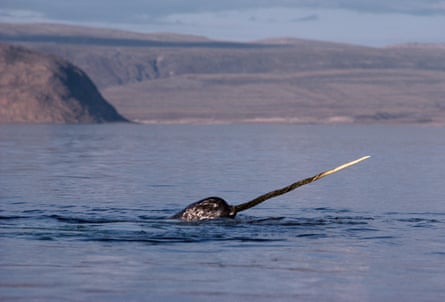
The delicate clicks and whistles of narwhals carry through Tasiujaq, locally known as Eclipse Sound, at the eastern Arctic entrance of the Northwest Passage. A hydrophone in this shipping corridor off Baffin Island, Nunavut, captures their calls as the tusked whales navigate their autumn migration route to northern Baffin Bay.
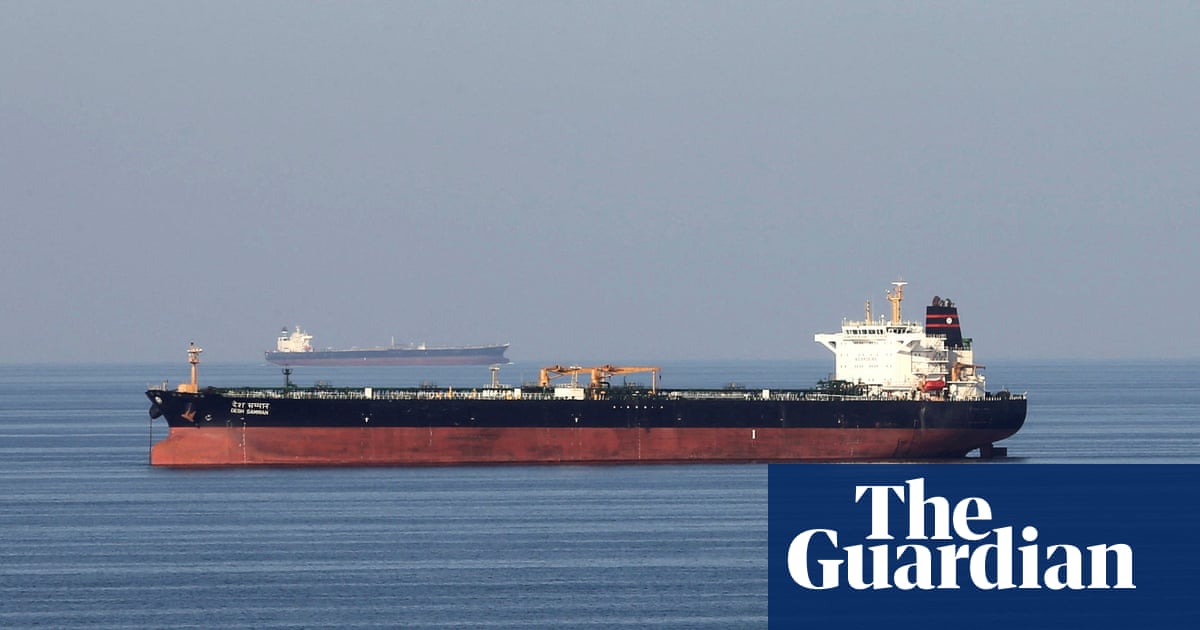
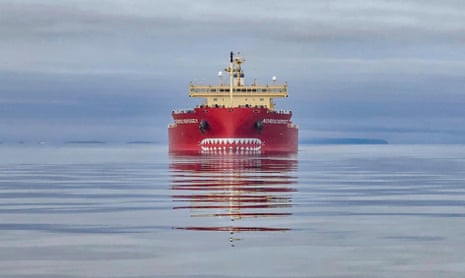
But as the Nordic Odyssey, a 225-metre ice-class bulk carrier servicing the nearby iron ore mine, approaches, its low engine rumble gives way to a wall of sound created by millions of collapsing bubbles from its propeller. The narwhals’ acoustic signals, evolved for one of Earth’s quietest environments, fall silent.
“Narwhals stop calling or move away from approaching vessels when they hear them,” says Alexander James Ootoowak, an Inuk hunter from Pond Inlet and field technician with the research team that deployed the hydrophone to study these acoustic overlaps.
The research, carried out in 2023 and published this year, adds to mounting evidence that underwater radiated noise – sound energy that ships emit through their hulls, propellers and machinery – is disrupting marine life. As the crescendo grows, so too do calls to quiet the seas by designing less-noisy ships.
Michelle Sanders, director general of the Innovation Center at Transport Canada in Ottawa, says: “We need to bring everybody together to work toward a solution that will reduce the sound in our ocean to protect marine species, regardless of where the ships are operating.”
This November, members will gather at the International Maritime Organization Assembly where a High Ambition Coalition for a Quiet Ocean – of 37 countries representing more than 50% of the global shipping fleet – will call for new policies to focus on the design and operation of quieter ships.
Action cannot come soon enough, says Halifax-based marine biologist Lindy Weilgart.
“I have yet to find any marine species that is completely immune to noise or vibration of any kind,” she says. “Once you know, you do something, now.”
Sound helps underwater organisms find food, communicate, navigate, avoid predators and mate. In Pacific waters, southern resident orcas lose their salmon-hunting echolocation clicks in ship noise off Vancouver. In Atlantic waters, North Atlantic right whales showed measurably reduced stress when ship traffic ceased after 9/11, suggesting chronic physiological impacts of vessel noise.
Shipping noise, unlike other major sources of anthropogenic ocean noise pollution, should be solvable. While seismic surveys for oil and gas exploration require powerful sound pulses to map seafloor geology, and offshore windfarm development uses pile-driving to install turbine foundations, “ships don’t gain anything from making noise”, says Weilgart.
The maritime industry has long recognised that underwater radiated noise is wasted energy, says Giorgio Burella, a naval architect at Robert Allan, a Vancouver-based company that designs boats.
To reduce noise, vessels can reroute around sensitive marine areas or slow down. But through design, the industry can target the primary sources of ship noise, with advanced propeller designs that reduce cavitation bubbles, hull modifications that create smoother water flow and engine isolation systems that prevent machinery vibrations transmitting through the vessel into surrounding waters.
after newsletter promotion
However, implementing these solutions requires persistence. “The marine industry is a very conservative industry, so any changes take time,” says Burella, who points to incremental progress so far, built on voluntary measures.
For example, the Enhancing Cetacean Habitat and Observation (Echo) programme – a decade-long collaboration between the Vancouver Fraser Port Authority, government, Indigenous communities and shipping companies – has pioneered noise reduction measures in critical orca habitats through voluntary vessel slowdowns and rerouting.
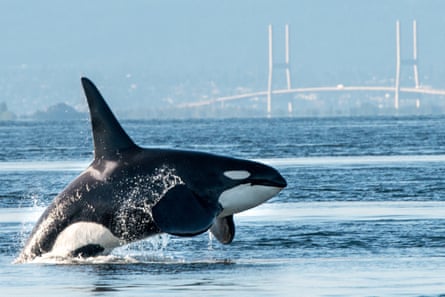
“We were able to get a 60% voluntary participation rate, and cut the noise in half,” says Melanie Knight, Echo programme manager. As the message got out, that rate increased to 90%, she says, pointing to other co-benefits: slowdowns reduced air emissions by approximately a third and lowered collision risk for marine mammals.
Knight believes the future lies in designing quieter ships. “We know there is a longer-term solution that takes much more investment, time and design expertise. For the future of the whales, we need quieter ships to begin with,” she says.
Back in Eclipse Sound, Baffinland Iron Mines Corporation, which relies on cargo carriers such as the Nordic Odyssey to service its Mary River mine, last year incorporated a Silent-E designated vessel into its fleet. The Nordic Nuluujaak is the world’s first bulk carrier to receive the designation. The mining company has also implemented a range of measures, including convoy operations – where ships travel in groups – nine-knot speed limits, and fixed shipping routes to reduce cumulative noise exposure for marine life.
Mads Petersen, the chief operating officer of Pangaea Logistics Solutions – the company that owns the Nordic Odyssey and the Nordic Nuluujaak – says it is working to reduce underwater noise from its fleet. “This includes working with our partners in the Arctic. With a vessel that has received the Silent-E notation, we consider the impacts of our operations in areas where there might be wildlife of any kind.”

But Joshua Jones, an oceanographer at the Scripps Institution of Oceanography at the University of California, San Diego, says that even when ships operate below quiet certification standards, the noise can still disrupt highly sensitive species such as narwhals.
“In order to determine what’s quiet, you must have a few key definitions and understand quiet. Quiet is from the reference point of a listener,” he says.
Arctic waters create unique acoustic challenges, too – colder temperatures and ice conditions require region-specific solutions. The Eclipse Sound research, led by the Mittimatalik Hunters and Trappers Organization with Scripps and Oceans North, started with Inuit observations that narwhals are sensitive to ship noise. The research confirmed this vulnerability at 20km (12.4-mile) distances, far exceeding the 3km range previous studies had predicted.
“Having western science to back up the testimonies of local people has been instrumental in moulding the rules and regulations of the waters here,” says Ootoowak, who would like to see all vessels entering Arctic waters take efforts to reduce their noise.
From cruise ships to fishing vessels to pleasure craft, comprehensive noise management requires accountability across the entire maritime fleet, says Ootoowak, because in the acoustic world of narwhals, every engine matters.