.png) 2 hours ago
6
2 hours ago
6
The government has promised retirees they will be excluded from paying tax on the full new state pension after official figures paved the way for an inflation-beating increase above the tax-free personal allowance.
Figures published on Tuesday showed that average UK wages rose by 3.9% in the three months to July, signalling that pensioners will receive an uplift of the same percentage next year under the triple lock.
This implies the full new state pension will rise from £241.30 a week (about £12,500 a year) to £250.70 a week (about £13,000 a year) from next April. For the two-thirds of pensioners who reached qualifying age before April 2016 in receipt of the old basic state pension, it will mean a rise to £192.10 a week (about £9,990 a year).
With the tax-free personal allowance frozen at £12,570 - under a policy introduced by the previous Conservative government and extended by Labour until 2031 – experts warned that retirees were in line for paying income tax on the new state pension for the first time.
However, ministers moved to reassure pensioners with no other income this would not happen as the government faced the prospect of a political backlash, in a development that will add to the challenges facing the chancellor, John Healey, at next month’s budget.
Torsten Bell, the pensions minister, said: “In line with the commitment made at budget 2025, pensioners who only just the exceed the personal allowance will not have the administrative burden of paying small amounts of tax in this parliament.
“The chancellor will set out further details on how that commitment will be delivered at the budget.”
Under the triple lock, the state pension rises by whichever is highest out of inflation, average earnings growth or 2.5%. Forecasters do not currently anticipate a rise in inflation in September – the key month for the policy – above the 3.9% rate of wage growth in July.
There are, however, growing calls for an overhaul of the policy, which was first introduced by George Osborne in 2011, amid rising pressure on the public finances and demands to refocus state support on younger generations.
In the latest intervention, the British Chambers of Commerce has called for the policy to be scrapped, and the money saved to be put towards tackling the youth unemployment crisis.
The development comes despite a slowdown in wage growth from a rate of 4.1% in the three months to June, in a renewed squeeze on workers as the Bank of England prepares to set interest rates on Thursday.
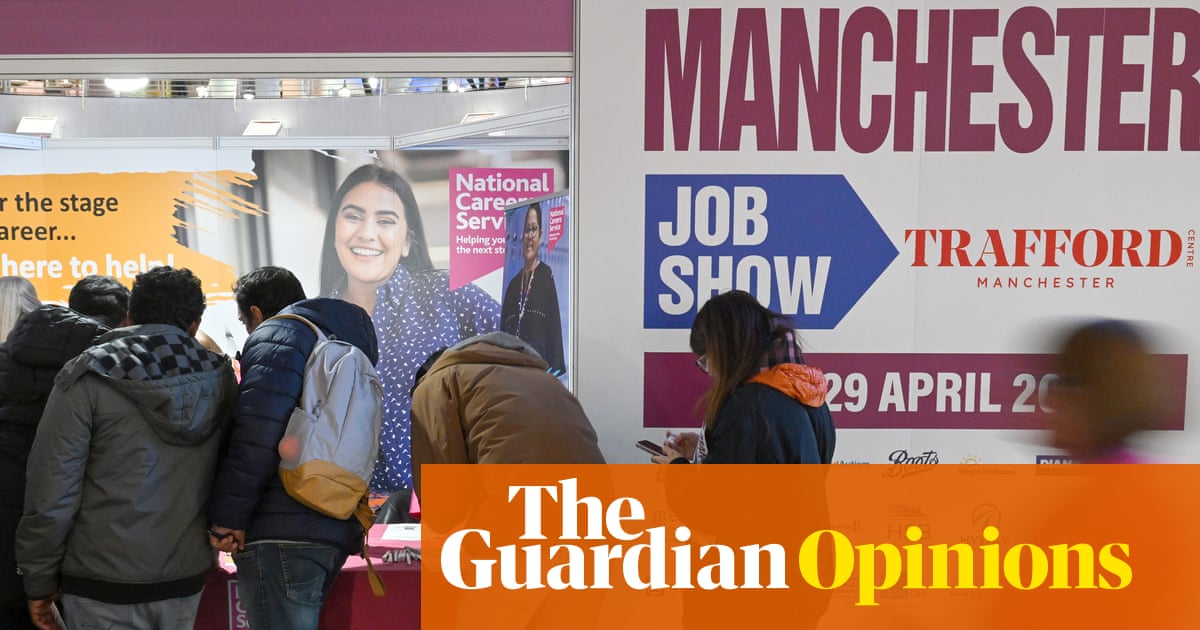
Reflecting a cooling jobs market, the Office for National Statistics said the number of workers on company payrolls continued to edge down, driven by a decline in jobs in the retail and hospitality sectors. Job vacancies in the three months to August fell to 702,000 from 706,000 in the previous month.
The headline rate of unemployment remained steady at 4.9%, confounding expectations for a modest rise to 5%.
It comes as the Bank considers its response to the rise in global energy prices triggered by the Middle East conflict before a crunch meeting on Thursday that will take place against a darkening global backdrop.
after newsletter promotion
City investors expect Threadneedle Street will keep the base rate on hold at the current level of 3.75%. Financial markets anticipate at least four increases to 4.75% before the end of next year.
The Bank has signalled that a weaker backdrop in the labour market could help limit the capacity for stubbornly high inflation becoming entrenched in the economy. However, oil prices have risen above $107 a barrel and British consumers have faced a jump in petrol and diesel prices.
Pat McFadden, the work and pensions secretary, said the figures showed the jobs market had remained resilient. “But we know there is more work to do, particularly to ensure young people gain the skills, experience and confidence needed to succeed,” he added.
Official figures due on Wednesday are expected to show the headline rate of UK inflation rose above 3% in August, adding to the pressure on households that have faced years of fast-rising prices after the lifting of pandemic lockdowns and the Russian invasion of Ukraine prompted a cost of living crisis. The Bank of England targets 2% inflation.
Jake Finney, a senior economist at PwC UK, said: “This presents a dilemma for the Bank of England. With the jobs market remaining weak, it is difficult to see the case for raising interest rates. But the external backdrop is deteriorating again.
“Oil prices are now above $100 a barrel, close to the most adverse of the three scenarios the Bank outlined in July, raising the risk of renewed inflation pressures.”