.png) 3 months ago
85
3 months ago
85
A new $100 fee for foreign tourists entering US national parks has triggered chaos and frustrating waits, with staff reporting long entry lines as citizenship checks are made and irate visitors regularly ditching plans to patronize some of America’s most cherished landscapes.
The new fee system, introduced by the Trump administration from 1 January, has caught many visitors and National Park Service (NPS) staff off-guard, with checks now having to be undertaken to assess nationality and tourists often turning away from entrances rather than pay the surcharge. The Guardian heard accounts of problems from several NPS staff, speaking anonymously, who work at different parks across the country.
Environmental advocates have argued that the newly tiered fees are also illegal under federal law and are suing to reverse them.
Under the new system, every person who is not a resident of the US and visits any of 11 popular national parks, including the Grand Canyon, Everglades and Yellowstone, now has to pay the $100 charge along with the existing park entrance fee. An annual pass providing access to all parks for non-residents has increased in price, from $80 to $250.
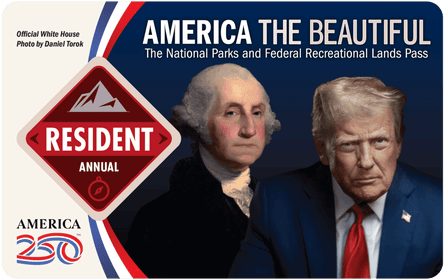
This means that cars or buses full of tourists face a steep new cost, especially if they plan to visit just one national park. NPS staff told the Guardian this has led to anger and confusion at several national parks, with a lack of signage and online warnings about the new regime and even a shortage of the new annual passes which, for US residents, now include a photo of Donald Trump on them – a portrait that if covered with a sticker will invalidate the pass.
“It’s been chaos, for staff it has been very trying,” said one staffer who works at the entrance gate of a major park in the US west, who did not want to be named. Some cars full of tourists have been faced with costs of $600 or more in total, they added. “A lot of people just turn around, some people yell and get angry. It’s an outrageous fee, it’s like we are telling people we don’t want them here. It’s not in the spirit of national parks.”
Another staffer for a separate national park said it felt “awkward” asking for passports or green cards from visitors. “A lot of Americans will ask why we are doing this and then say ‘that is messed up’ when we tell them,” the NPS worker said. “Most of our visitors are foreign tourists, though, so I expect we will see a drop in visitation.” Another NPS worker said the move risks “alienating visitors for decades”.
The NPS announced the fee change in November, claiming the move would ensure that foreign visitors will “pay their fair share” for the upkeep of America’s storied national parks, many of which have drawn record crowds in recent years while struggling with a growing backlog of maintenance costs.
The extra fees raised will “help keep our parks beautiful and running well, including for addressing the deferred maintenance backlog”. an NPS spokesperson said. “The non-resident surcharge is a small fraction of total trip costs (air fare, lodging, transport) for foreign tourists.”
The NPS said that it’s too early to tell how much money will be raised by the fee increase, or whether the hike in cost will deter any potential visitors in the future. Some other countries, such as Tanzania and Ecuador, impose significantly higher fees on foreign, usually wealthier, tourists for access to prized parks.
The NPS has been upended on the first year of Trump’s second term, with the agency losing around a quarter of its staff amid the administration’s crusade to shrink the size of the federal government. Park managers have also been ordered to revise signs that display facts on issues such as slavery and the civil rights movement that the administration disapproves of.
“We are badly understaffed, people are working in multiple jobs and now this fee policy has everyone scrambling around,” said a staffer at the Sequoia and Kings Canyon national parks in California. “It feels like they have intentionally created chaos and disrupted our workflow. A lot of people are leaving because they are so burnt out.”
The changes to the fees and annual passes have been done hastily and illegally, according to the Center for Biological Diversity, a green group that lodged a lawsuit to reverse the move in federal court last month. The center argues that government rules don’t allow changes in park fees based on nationality, with a bill to amend this situation not yet made law by Congress.
An NPS spokesperson did not respond to questions over the legality of the new fees.
“What they’ve done is illegal and will discourage people from coming to America’s national parks, which are revered around the world,” said Kieran Suckling, executive director of the Center for Biological Diversity. “Instead, people will come here and talk about being ripped off and how cheap and xenophobic the government is.”
Suckling said that even the placement of Trump’s image, along that of George Washington, on the “America the Beautiful” passes is contrary to the rules as the image was supposed to have been chosen via a photo contest.
The winner of the contest was a picture of Glacier national park, although it is the US president, rather than the soaring yet melting glaciers, that is visible on the 2026 national parks pass. Some people have taken to covering Trump’s photo on their pass with stickers, although the NPS has warned this action could invalidate the document.
“Any American should be able to choose to cover something like this with a sticker,” said Suckling. “Trump is acting like a two-bit tyrant. Putting his picture on everything, like he’s Mussolini, is childishly comical but also fascistically frightening.”