.png) 2 months ago
48
2 months ago
48
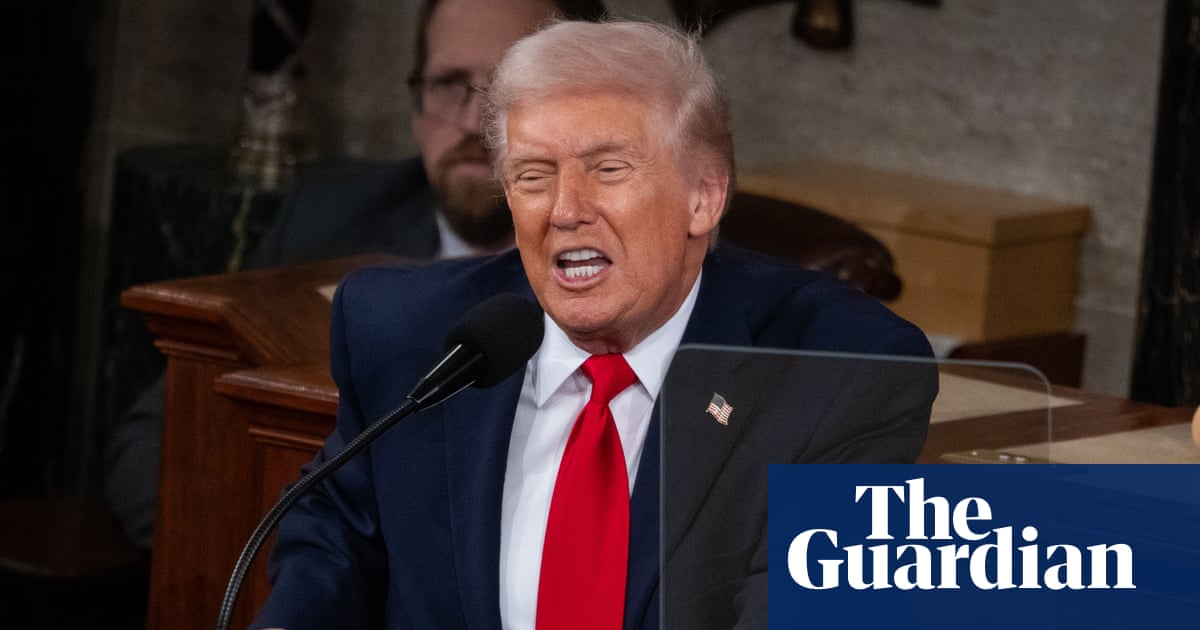
Nigel Farage’s self-confidence is famously iron-clad. But just before 12.30pm on Wednesday as a visibly angry Keir Starmer tore into his “unforgivable” response to the murder of Henry Nowak, Farage’s attempts to laugh off the criticism looked unconvincing. He was rattled.
This has been a curious week for the Reform UK leader. The headlines have been dominated by a story seemingly tailor-made for his culture war instincts. But some believe that this time Farage might have overplayed his hand.
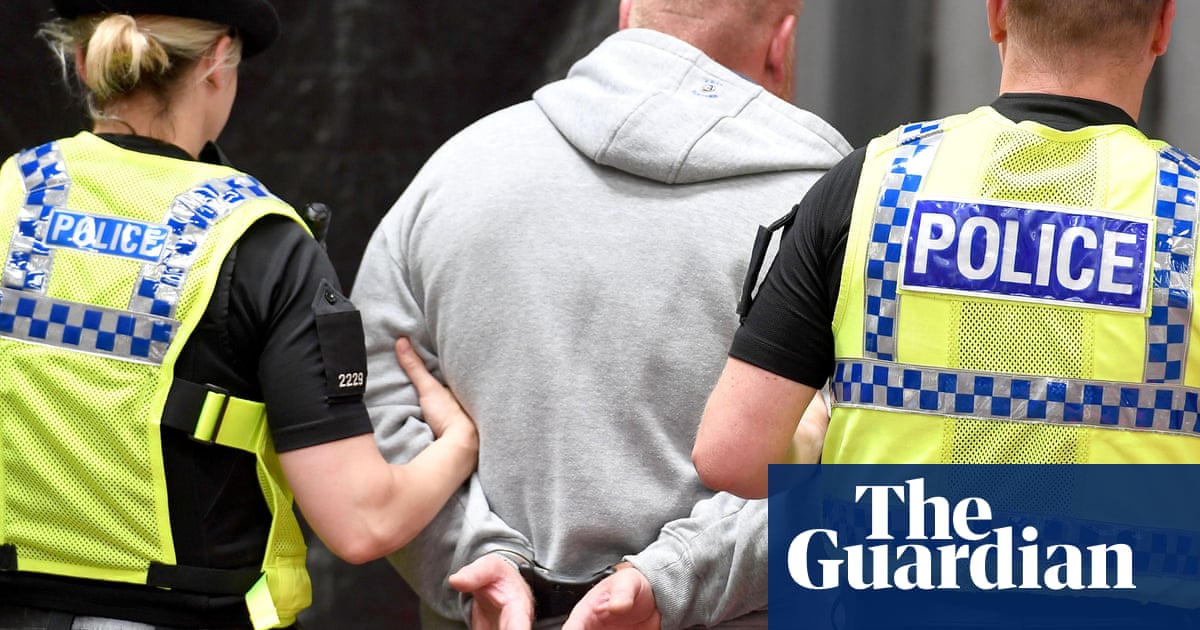
The appalling last moments of Nowak, who was handcuffed as he lay dying from stab wounds by police officers who wrongly believed they had been called to a racist assault carried out by the student, have dominated X for weeks, with the platform’s billionaire owner, Elon Musk, posting repeatedly about it.
UK court reporting rules stopped Farage and others from joining in before Vickrum Digwa, who killed Nowak and then lied that he was the victim, was convicted of murder last week.
On Tuesday morning after Digwa was sentenced, Farage fully entered the fray. To those who follow his rhetoric, the portentously billed “emergency address” was notably more hard-right and nativist in its language and approach.
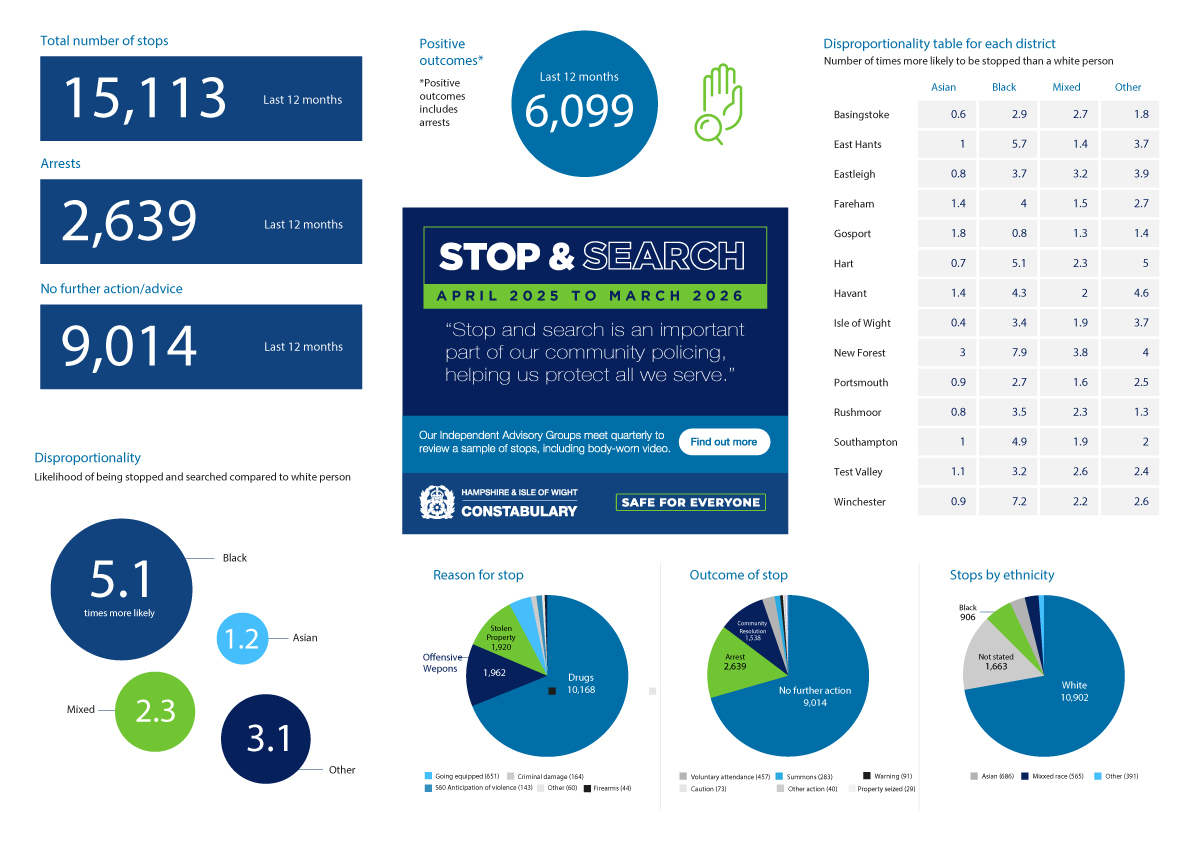
Hampshire police’s treatment of Nowak was proof, he said, of “a two-tier culture in this country, where the rights and privileges of white people matter less than those of ethnic minorities”. Recent figures show Hampshire police officers are over five times more likely to stop and search black people than white people.
In messaging that echoed elements of the European far right as well as the Trump administration, Farage contrasted the treatment of minority ethnic Britons with that of white citizens whose ancestors may have lived in the UK “for centuries”. He also claimed that many police promotions happened not due to merit but because of an officer’s race or religion.
British people, he concluded with ominous gravity, should respond with “pure, cold rage”.
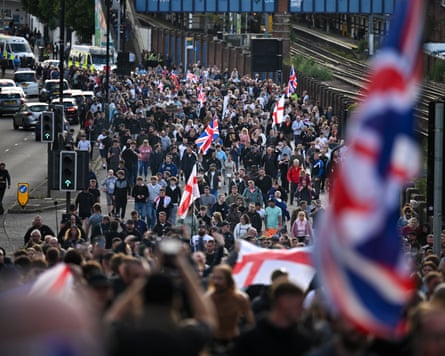
The actual response was a chaotic semi-riot in Southampton, where an unseemly mix of angry locals and self-promoting white nationalists threw bins and other objects at police, leaving many residents terrified.
And so the focus turned to prime minister’s questions on Wednesday, with Farage among the MPs on the list to be called. Challenging Starmer on the Nowak case, Farage not only failed to condemn the violence – despite increasingly loud calls from his fellow MPs – but predicted that the “anger” in Southampton would get considerably worse without action to curb what he said was institutionally biased policing.
Starmer’s response was glacial in its contempt. He said Nowak’s father had explicitly asked that his son’s death was not exploited to create division. Farage had ignored him and done just that. “It shows exactly who he is,” the prime minister ended.
It was a powerful moment, and some Reform MPs looked uneasy. But, as Reform officials point out, in the real world outside the Commons, their party has been in first place for 303 opinions polls in a row. None of this matters.
Or does it? There are some significant undercurrents to last week’s event, both in terms of why Farage felt the need to go in so hard on a race-based subject, and what this may say about Reform’s hopes of winning an election.
To many observers, the answer to the first one is clear: Restore Britain. When Rupert Lowe broke away from Reform and announced he was forming his own party, the response in Team Farage was mainly ridicule. A political novice with a rhetorical style less “aspiring prime minister” than “borderline racist great uncle at a wedding”, Lowe’s ambitions felt hubristic.
The laughter has since stopped in Reform HQ. While Restore is polling nationally in the very low single digits, Lowe’s party is bullish about its chances in this month’s Makerfield byelection, where it could very easily come third and take enough votes from Reform to ensure an Andy Burnham victory.
Lowe’s trajectory has been fuelled by two ways in which he outflanks Farage. He is ubiquitous online, with his posts on X regularly endorsed by Musk, and notably more rightwing.
Restore’s policies are openly far-right, with talk of deporting millions of people from the UK. Many of Lowe’s supporters embrace racist nativism, for example arguing that minority ethnic politicians such as Kemi Badenoch should not be allowed to sit in parliament, ideas Lowe has not challenged.
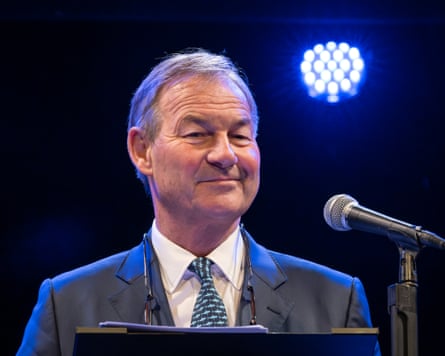
Those around Farage dismiss the idea he is spooked by Restore, but his decision to respond to Nowak’s death as he did suggests otherwise. It could be a misstep.
According to Luke Tryl, of the polling firm More in Common, Farage is at risk of undermining long efforts to keep the Reform brand sufficiently sanitised that it attracts a range of voters, including more moderate ones. Analysis from the pollster showed that if Restore took even 3-4% of the vote nationally, it could cost Reform about 80 seats in a general election, he added.
“I wonder what role the fear of Restore and the need to protect their right flank has played in this,” Tryl said. “But I think trying to chase the Restore flank will cost them more on the other side.”
Particularly damaging, Tryl said, was the risk that some voters made a direct connection between Farage’s call for “pure, cold rage” and the scenes in Southampton, which left 11 police officers and a police dog injured.
“Violence is a red line,” he said. “People may want a tough approach on issues like immigration but there is very little space for what can be perceived outright nastiness or cruelty.”
The paradox is that this is something Farage not only knows but has used as a political mantra for years. In 2018, Farage quit Ukip, the party he had brought to prominence, because its new leadership had embraced the anti-Muslim fixations of Tommy Robinson, the far-right agitator who addressed the crowd on Tuesday night’s crowd in Southampton.
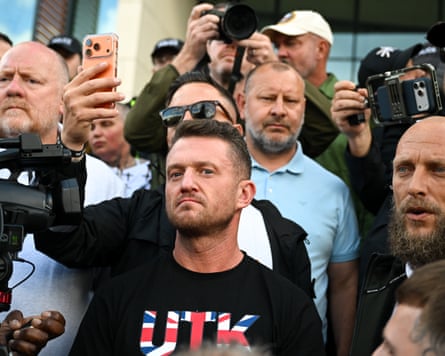
Farage’s longstanding belief, those around him say, is that Robinson looks and acts like a football thug, and that the great majority of voters understand football thugs and vehemently dislike them. And yet this week Farage has found himself unable to condemn a riot in which Robinson was a key figure.
Reform insiders push back heavily against the idea that recent events have gone badly, pointing to the only opinion poll conducted since the sentencing, in which Reform rose by two percentage points against the week before.
But the party is facing some obvious headwinds. Some are structural, such as a study this week by the elections expert John Curtice that suggested the party risked running out of culture war-focused voters and thus could plateau at current support levels.
Others are internal. Reform may have few big names but they are generally not short on ego, and divisions are emerging. Many involve Zia Yusuf, the party’s combative home affairs spokesperson, who recently publicly corrected Robert Jenrick, Reform’s big defector from the Conservatives, over immigration policy.
With the focus this week on Farage, Yusuf has become an increasingly erratic presence on social media. “Recent events demonstrate why I view the Tory and Labour politicians who created the burning injustice of modern Britain as traitors to their country,” he posted on X last weekend. “A reckoning is coming.”
Another user replied: “You sound a bit fascisty, Zia.”
This is, of course, one view. But as Starmer knows only too well, it does not take long for the political magic to rub off. Should Burnham win in Makerfield, his status as the hammerer of Reform will be secured and his route to Downing Street clear.
Farage is a formidable political operator. But things may be starting to get more complicated for him.