.png) 3 months ago
79
3 months ago
79
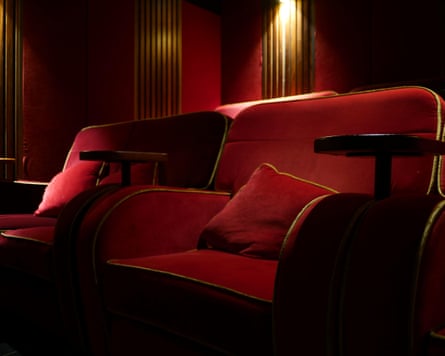
With its comfy sofas and a menu of gourmet treats including Béarnaise smash burgers and trendy Whispering Angel rosé wine at £47 a bottle, Everyman has thrived as the go-to chain for a luxury cinema trip.
Yet a quarter of a century after reinventing the movie-going experience, growing from a single venue in Hampstead in London to a national player with 49 sites, the arthouse chain finds itself struggling as rivals ape its successful formula.
Everyman issued a profit warning in early December, prompting rattled investors to wipe almost a fifth off its market value, and days later the company’s finance director disclosed that he was leaving.
By the end of the month Alex Scrimgeour, the former boss of Côte restaurants who joined in 2021 tasked with leading a post-pandemic recovery, had resigned as chief executive with immediate effect – capping, in the assessment of one analyst, “a year to forget”.
While 2025 may have been Everyman’s annus horribilis, underlying issues have been mounting since Covid temporarily shut cinemas, with the company’s share price down almost 80% over the last five years as the sector also dealt with Hollywood actors’ and writers’ strikes and an uneven pipeline of hits.
David Hancock, the chief analyst for media and entertainment at the research company Omdia, said: “Somewhere along the way Everyman lost its edge. I don’t think it is just about the challenges faced by all the players in the market.
“Everyman set the bar in the premium market and they became the one that everyone else was shooting at. Big rivals like Odeon and Vue have launched concepts based in premium. There is more competition than ever before.”
Everyman has run up more than £56m in pre-tax losses over the past six years and has not made a pre-tax profit since 2019, while debt has continued to mount.
Its typically upbeat quarterly financial updates have largely been driven by constant site expansion masking problems elsewhere, the most recent opening being at The Whiteley in west London last August.
Behind the scenes, some of the cinemas it owns have been underperforming. Everyman has booked more than £6m in impairment charges in the last three years after annual assessments of venues found “future cashflows did not support the carrying value of the assets associated with the specific location”.
Responsibility for turning the business around has been given to Farah Golant, whose background includes running All3Media, the TV production group responsible for shows including The Traitors and Call the Midwife, and helming the advertising company behind famous commercials including Guinness’s classic Surfer.
The 61-year-old was appointed interim chief executive on the day of Scrimgeour’s abrupt departure, having joined the Everyman board in September. She immediately froze the expansion programme to focus on paying down its £21.6m debt. Investors have responded positively, with the share price up 24% to 36p since the start of the year.
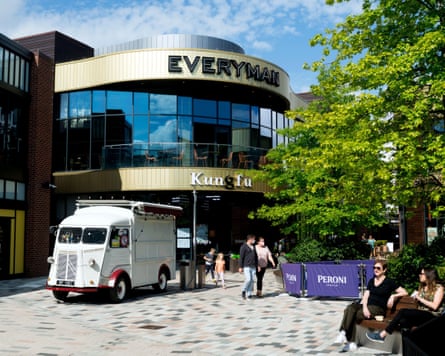
Golant said in April that the coming year would be about “resetting to drive growth”. While she is yet to announce the details of her turnaround plan, analysts that have met with the company say there is plenty of scope.
Changes could include allowing pre-ordering before cinemagoers arrive, enabling kitchens to function more efficiently and drive more profits from food and drink sales. Another focus is likely to be its membership scheme, which charges from £95 to £680 annually and grew by 18.5% last year to 67,000.
Given Everyman’s trendy, upmarket brand, analysts also believe it is perfectly positioned to capitalise on the movie-going boom among gen Z – people born between 1997 and 2012 who grew up with streaming and social media as their default entertainment – who are increasingly looking for real-life experiences.
“The market appetite for premium cinema is growing,” said Golant. “By putting audiences and their experience at the heart of our growth strategy, we can think differently about how we programme, maximise our membership value, design for families and gen Z, optimise our vibrant venues as third spaces and cultivate relationships with distributors and brand partners.”
At £32m, Everyman’s market value is practically the same as when the company listed on the London Stock Exchange in 2013 when it owned just a handful of sites but had national aspirations.
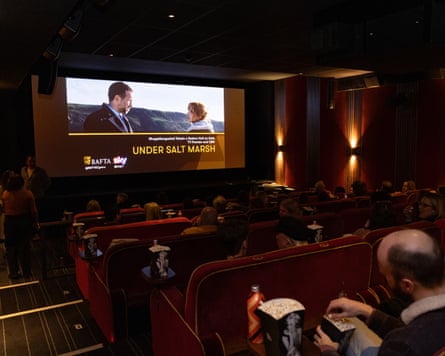
Its largest shareholder, Blue Coast, which is ultimately owned by the Lewis family, who are the founders of River Island, has been building its stake since late 2023 from about 20% to more than 29% – just short of the threshold needed to make a takeover offer.
The Lewises are one of three foundational family-led shareholders that have backed Everyman since its early days, providing part of the £7m investment that enabled the 2008 acquisition of Screen Cinemas that paved the way to flotation and national expansion.
The others are Adam and Sam Kaye, the founders of the Ask and Zizzi pizza chains, the former of whom is an executive director, and the Dorfman family.
Lloyd Dorfman, the founder of Travelex, held a role as director for a number of years and his son, Charles, has been on the board for 17 years and was appointed interim creative director in February.
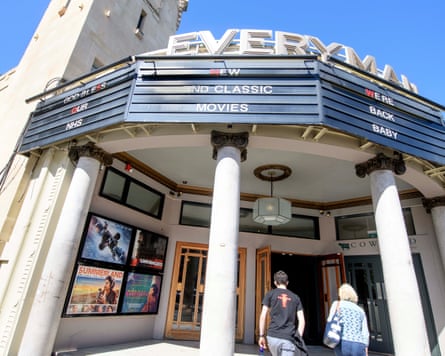
Between them the families control more than 50% of Everyman, with the private equity group Gresham House the next most significant investor with a 9.54% stake.
This year will be a crucial test not just for Everyman’s investors but also for a cinema industry still struggling to find the new normal amid continued competition from streaming companies and rising household costs making consumers more cautious than ever over where they spend their money.
The UK box office hit £989.5m last year, the highest level since 2019, but still well short of the £1.25bn the industry took in ticket sales that year. And while box office take may be on the rise, overall admission numbers fell to 123.5m last year, and remain 30% down on pre-pandemic levels, according to the industry body UKCA.
Andrew Renton, a research director at Cavendish, says Everyman faces “a year of consolidation”, but the chain still has “very strong brand equity”.
“It is like a Waitrose,” he said. “People have an affection for one being in their town or village, especially with the high street under pressure. It is still cool and people still enjoy that luxury experience, that special treat. This year is a litmus test of that.”