.png) 1 month ago
61
1 month ago
61
In a small stone chapel, on the edgelands of a medieval wilderness, two women are getting married. The attenders are draped in rainbow capes, glowing armour and top hats. A scantily clad, muscular man with angel wings officiates the ceremony. Over the heads of the two brides hover the words “I do” in bright yellow text. This is RuneScape, a massively multiplayer online role-playing game (or MMO) set in the Tolkienesque realm of Gielinor. Turning 25 this year, it has, over its lifetime, become a crucial virtual social space and part of daily life for thousands of players.
Lancashire-born Amelia, one of the pixelated newlyweds, met her wife on a dating app but first bonded through their love of the game. “Our first and second date was pretty much exclusively talking about RuneScape,” she recalls. Four years later they were married, shortly followed by their in-game ceremony. Morgan – a 26-year-old from the Midlands – is one of Amelia’s closest friends. They met through the game and run UWU Girls together, a RuneScape clan that Morgan founded in a bid to cater to players across the gender spectrum. “We do IRL meetups, and for a lot of these women, it’s been their first meetings with strangers online – and that’s the same for me.”
RuneScape began in 2001 as the pet project of Cambridge undergrad, Andrew Gower. The game’s humble graphics and grindy mechanics (chopping down trees to gather wood, right-clicking imps to attack them) weren’t revolutionary – particularly against titans of the time such as Everquest and, a little later, World of Warcraft. But RuneScape’s novelty made it an unstoppable force in the late 2000s; it was simple, available to play in a web browser, and most importantly free – although a more feature-rich version is available for a monthly subscription. Today, there are more than 300m accounts across all versions of the game, and lifetime revenue is more than $3bn.
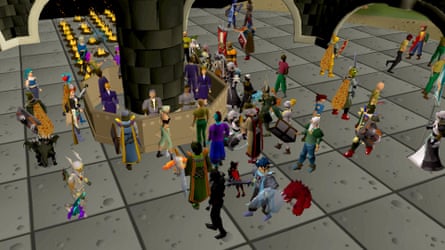
The tone of RuneScape falls somewhere between Tolkien and Monty Python. Players embark on quests that see them fight gods, solve murder mysteries, and even thwart evil penguins’ plans for world domination. Despite its undoubtedly British style, a majority of its players log in from North America. Chris is one of those. He goes by NightmareRH online and was one of the earliest RuneScape content creators on YouTube. He started the game on his 17th birthday; his account just passed its 21st anniversary.
Chris describes the game’s early years as “living in the dark ages”, since knowledge of quests and mechanics was scant. “I remember staying in one location for about three months,” he says. “I was so scared to go to other places that I would forget how to get back!”
After playing a month of the game for free, Chris started using his high school lunch money to pay for membership – and he’s never looked back. It’s the quirkiness of the game that keeps him interested, including the eccentricity of its economy, which allows players to trade clothing, jewellery and resources. One of the oldest novelty items in the game – paper party hats – are worth billions of in-game gold coins. Naturally, he owns one.
Shane Anderson from Edmonton, Canada, has played the game since he was 16 years old – he’s now 39. A friend showed him RuneScape and according to Anderson, it just stuck: “You see somebody else walking around the game world with very high-level equipment, and that itself serves as an aspiration to want to continue the journey.”
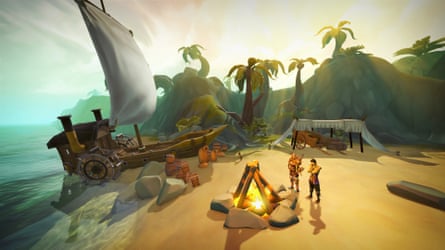
This dedication to self-expression has led to the term “FashionScape”, a play style that focuses on equipping your character in aesthetically pleasing gear, rather than maximising tactical game advantage. Naturally, the subculture has its own Reddit forum. Anderson went on to found his own fan site, followed by the longest-running podcast about the game – RuneScapeBitsandBytesUpdate!
Initially, RuneScape was a sprite-based game with rudimentary graphics and a relatively smaller player pool. In 2004, RuneScape 2 was released, upgrading the game with new combat mechanics, audio and a bona fide 3D engine. “This was the point where the game became really, really big,” Anderson recalls.
After years of snowballing popularity, Jagex made its first big development blunder in December 2007, when the region dedicated to player-v-player combat – the Wilderness – was made safe to traverse. This followed with a January 2008 update in which the developers added restrictions to trading, and players were prevented from making significant profits over one another. The decisions were derided across the community, and are considered by many to be the point where Gielinor’s golden era ended.
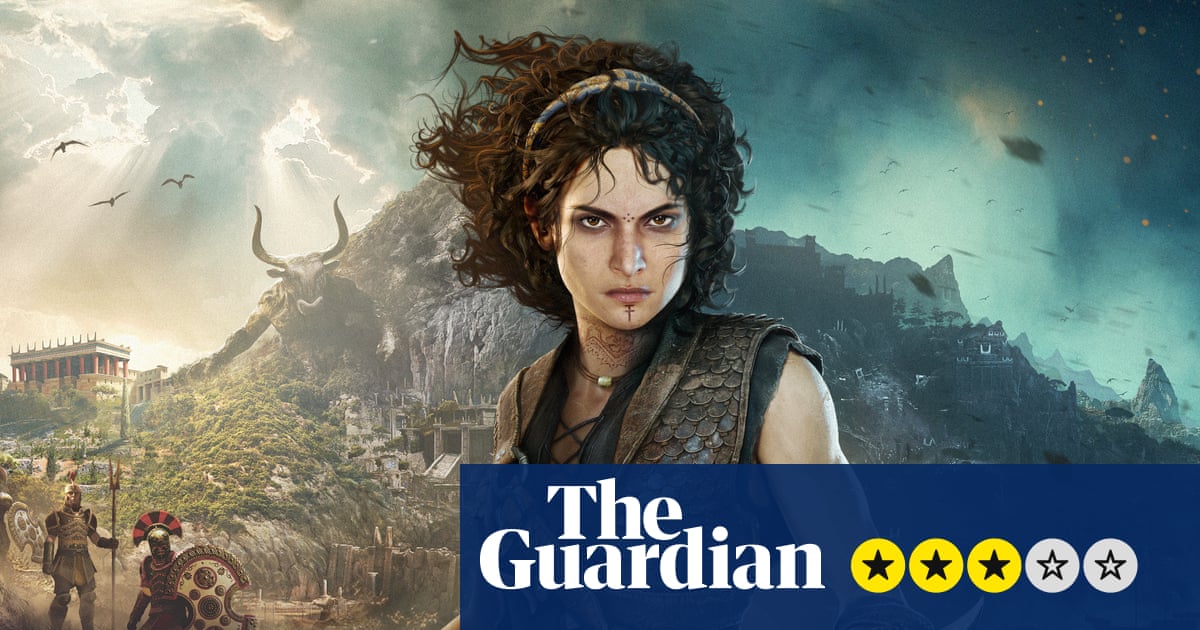
Years rolled on and Jagex continued to update the game to an increasingly frustrated player base. The sweet spot of the mid-noughties remained so popular in the community that in 2013 the developer bifurcated the game into two different experiences: Old School RuneScape, a snapshot of the game from 2007; and what’s known as RuneScape 3, a flashier, increasingly modernised version. Last year, the studio released a spin-off, RuneScape: Dragonwilds, an online survival game in which players craft items, build bases and develop skills to stay alive.
after newsletter promotion
Now, at 25, RuneScape has been around long enough that it’s had time to fall from grace and steadily regain its players’ trust. At the start of this year, the company launched a U-turn of the game’s direction as part of its anniversary celebrations. In the announcement, a gravelly narrator speaks of citizens “taking solace in the ways of old” and “the allure of treasure [losing] its lustre” – thinly veiled acknowledgments that the game’s new content and microtransactions had slowly alienated its players.
Jagex is now eager to talk to its community. For the Old School version, every update is decided by democratic vote, and for RuneScape proper, the company’s community manager can regularly be seen in Reddit threads dealing with praise and criticism. Some of the Jagex team even attended Amelia’s in-game wedding.
The importance of fans isn’t lost on associate creative director Ryan Philpott. He began as a fan himself, later became a play tester, and now helps steer the game’s future. Nostalgia is certainly a big part of the model; Old School is considered the more popular version, with daily peaks often reaching 200,000 concurrent players. The team’s Road to Restoration project is an attempt to fix fans’ longstanding grievances. “It’s not about going backwards necessarily,” says Philpott, “but understanding what we did so well, or what people loved, and using that to take us forward.”
Rather than demand more time from its players, Philpott says the team is set on making the game accommodate their changing lives: “It is that choice to play RuneScape alongside going through school, getting a job, having kids,” he says. “We have a famous phrase: ‘You never truly quit RuneScape, you just take a break.’ I’ve never met anyone who has truly quit.”
In an online gaming ecosystem dominated by live-service giants such as Fortnite and Minecraft, and with the World of Warcraft still trundling on, RuneScape has managed to found itself in a unique state of equilibrium with its players – quietly updating and showing no signs of hanging up its cape just yet. “I want to keep it going for the next 25 years,” says Philpott. There are, it seems, many more weddings to come.