.png) 3 months ago
60
3 months ago
60
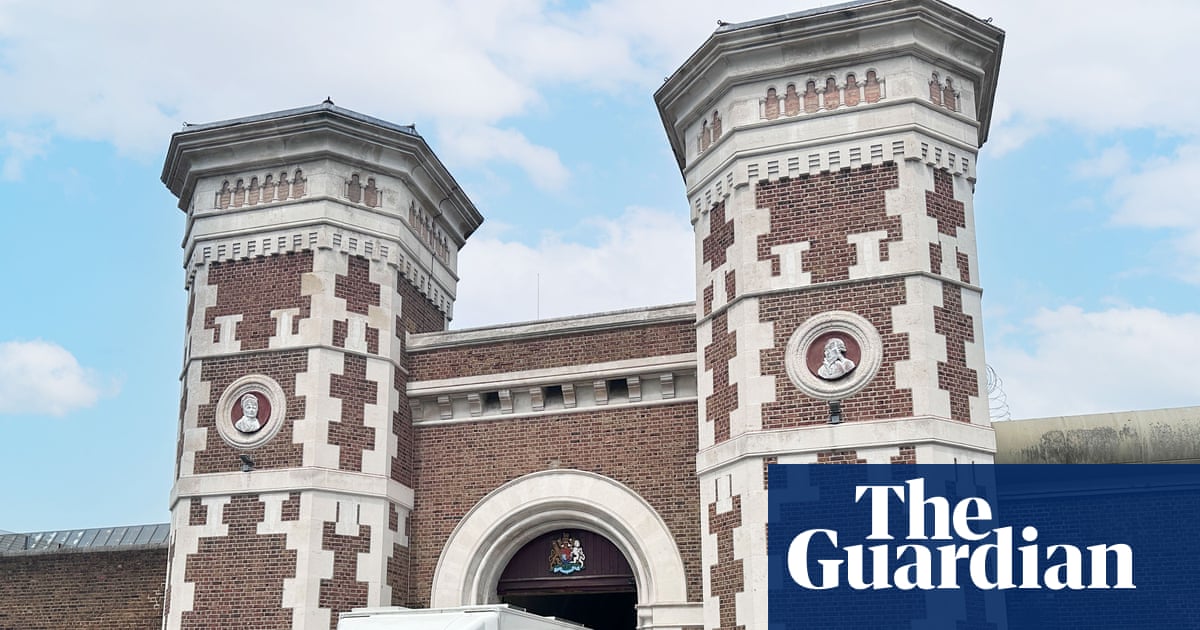
The British Museum has postponed a lecture for Jewish culture month over concerns that the event would be disrupted by protesters.
The museum announced that the talk on ancient Israel and Judah, which was scheduled to take place on Thursday, would be held at a later date yet to be decided.
The talk in the museum’s BP lecture theatre was due to be given by Dr Paul Collins, the keeper of the Middle East department, and was expected to examine the archaeology and history of the ancient kingdoms of Israel and Judah through artefacts held by the museum.
It was also expected to touch on other historical events such as the Babylonian destruction of Jerusalem and the Maccabean revolt, and was organised as part of the first ever Jewish culture month in the UK, which runs until 16 June.
However, less than 24 hours before the event, the museum said it would be postponed. In a statement, the museum said it was informed that a “significant proportion” of the registered attenders were “individuals intending to deliberately disrupt the event, preventing others from participating in good faith and undermining the purpose of the programme …
“The British Museum fully recognises the importance of lawful protest and freedom of expression in a democratic society. Equally, we have a responsibility to ensure that events hosted within the museum can proceed safely, securely and without intimidation for speakers, staff and visitors alike.”
The museum added that after discussions with organisers and security partners, a joint decision was taken to postpone the event to a later date “when it can take place in an environment that properly safeguards both the audience experience and the integrity of the programme itself”.
It said it would continue to support Jewish culture month, with a space provided where history, culture and scholarship could be explored “without disruption”.
George Osborne, the former Conservative chancellor who is the chair of the British Museum, shared the organisation’s statement on X, saying: “Worth reading before speculating.”
However, the museum’s decision drew criticism from the Conservative leader, Kemi Badenoch, Jewish commentators and free speech advocates, who said publicly – funded cultural institutions should not appear to retreat from hosting historical or cultural conversations relating to Jewish identity in response to the threat of protest.
Other critics of the move included the BBC historian and presenter Simon Schama, who said it was cowardice and sent a “terrible message”.
Badenoch called on the government to intervene and tell the museum to “do what’s necessary” for the event to go ahead. She said: “Jewish culture month is meant to promote awareness of and celebrate Jewish culture in the UK. This decision achieves precisely the opposite. The government says it wants to combat antisemitism, it needs to tell publicly funded institutions like the British Museum to do what’s necessary to put this event on.”
The broadcaster Jonathan Sacerdoti said the effect was “the cancellation of Jews and Jewish events in Britain, our home. That’s shameful. The bullies need to be faced down, not rewarded with our cancellation.”
David Wolfson, the shadow attorney general, said that while he had “no doubt that everyone has acted in good faith” at the museum, he disagreed with the decision to postpone.
“This is the wrong decision, at the wrong time, and sends precisely the wrong message,” he added.
The Board of Deputies of British Jews said it was “highly regrettable that individuals had sought to deliberately disrupt a Jewish culture month event celebrating Jewish cultural heritage”.
The organisation added: “We will not allow the actions of extremists to prevent the British public from enjoying these events.”
Earler this month there was a heavy security presence outside an exhibition in east London telling the stories of participants at the Nova festival which was attacked by Palestinian militants on 7 October 2023.
Jewish culture month was launched this year by the Board of Deputies as a month-long celebration of the Jewish contribution to British life, and involves more than 100 events across the country spanning music, food, literature, comedy and history.
Participating institutions include the V&A, Tate and Southbank Centre. The British Museum has not said which groups were believed to be planning protests, or whether police advice contributed to the decision.