.png) 6 hours ago
12
6 hours ago
12
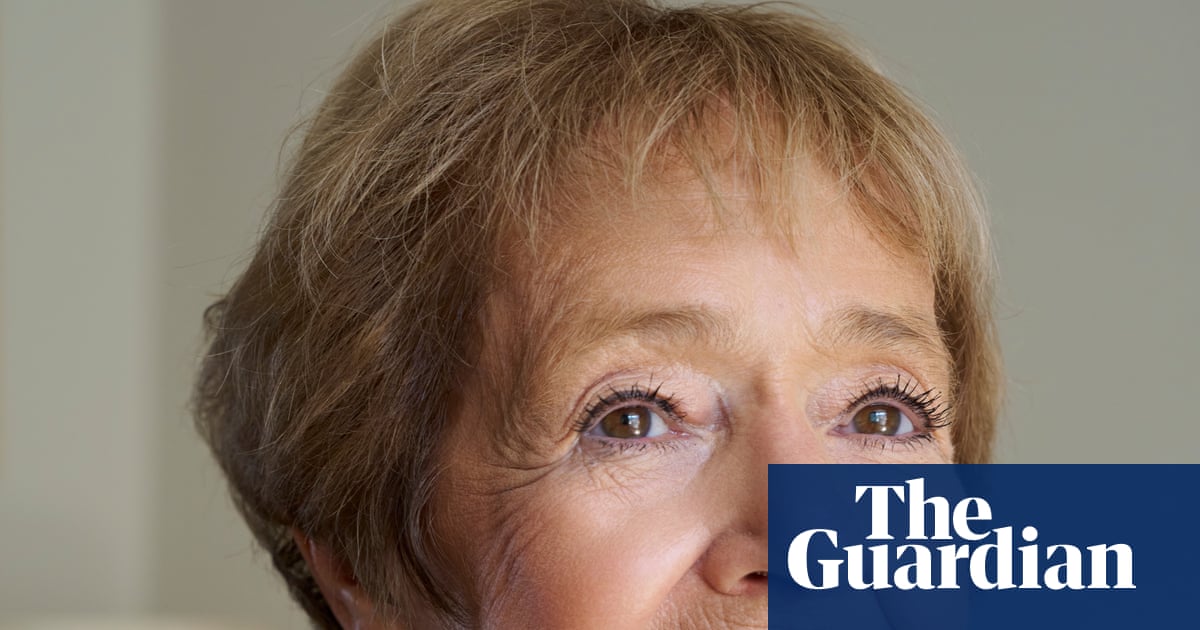
A 78-year-old British widow facing deportation over from Sweden over Brexit has said she feels she is facing a “death sentence” just hours before she was due to be removed from the country.
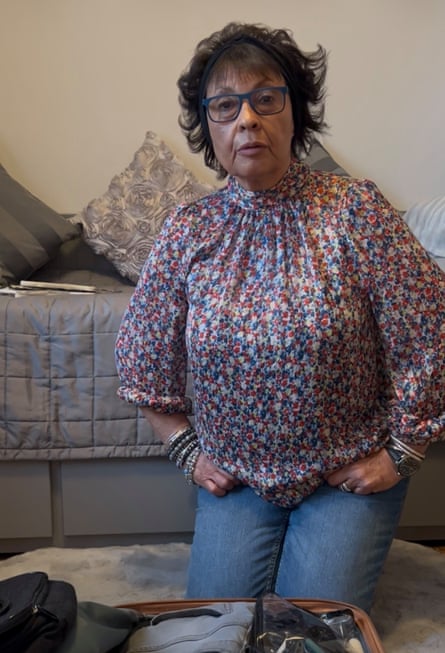
“I just want this nightmare to go away before I die,” says Joyce Thomas. “It is dragging me down. I am really not the same person I was. This has taken years. I just feel sick,” she adds as she packs her bags.
Thomas, a retired nurse, who has lived in Sweden for 22 years, was given four weeks to leave the country in August, separating her from her son, grandchildren, large network of friends, her church and her husband’s grave.
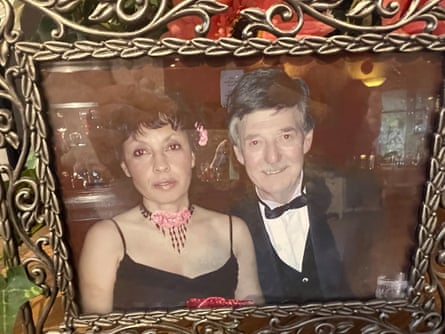
Her husband, Gwynne, died in 2023 of cancer. It was on a trip back from the UK in 2022, when they visited their second son in Brighton, that they first learned they should have made a formal application to stay in Sweden after Brexit.
Her subsequent application to stay in the country in 2023 missed the official deadline but she said her husband who looked after all the household administration, had previously been told there was nothing the couple needed to do after Brexit.
She was first told to leave the country in November and after an appeal received the news in August that the administrative court in Luleå upheld Sweden’s migration agency decision that she could not stay.
The migration agency says that simply not knowing she had to apply to stay by the cutoff date at the end of 2021 was not a “reasonable ground” for staying in the country.
So Thomas had little choice on Monday: she got up at 6am to thoroughly clean her flat, cook for supporters that night, and pack her bags for the UK.
Then, late on Monday evening, she was advised that she could stay pending a late application by a lawyer for a review of the removal order.
However, her plight remains the same with the threat of a deportation merely in abeyance.
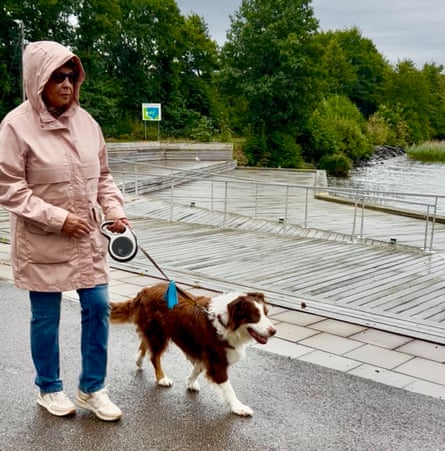
“I am very stressed,” she says kneeling over two suitcases beside Tia, a collie lent to her for company in the past few weeks by a friend.
“I just want this nightmare to go before I die. I need a peaceful life at my time of life. This is what I want. I just want to get up and be normal,” says Thomas.
Thomas is one of hundreds, potentially thousands of Britons who have either been told to leave voluntarily or removed forcibly through deportation since Brexit.
Last week the migration agency confirmed it had already deported 458 including one 34-year-old who had been in the country since he was 10. Another British businessman was taken into detention last week in Stockholm to be deported.
“I just wish one of those people [in the authorities] had parents in my situation. I think they would think twice because it is the worst think they can do to a human being,” says Thomas.
She appealed to the European Commission and the Swedish government to intervene not just for her but for all the British citizens who have simply made “a mistake” because they did not know Sweden required a formal application to remain after Brexit.
“Please, please can you hear us. We have done nothing wrong. We are not criminals,” she says. “People here are suffering mentally, physically.
“It is cruel. It is inhumane. They must read the papers to know that I am really low. I just feel sick.”
after newsletter promotion
No British minister has said anything about Britons being deported from Sweden since the controversy erupted, apart from the former business secretary Peter Kyle who appealed to the Swedish government on behalf of Thomas’s son, who lives in the constituency next to his.
Her local MP, Håkan Svenneling, raised her case in the Swedish parliament, claiming the controversy is damaging relations between the EU and the UK, while the opposition Centre party has vowed to offer a repreive to Britons with new laws if it gets into power after Sunday’s general election.
She says she has been a brilliant “actor” and gives people the impression she is coping but that is far from the truth.
“This waiting month by month, year by year is like a death sentence. That is how I feel because I am not getting a clear answer [about my future] and I am in limbo all the time.
“At the start of this I was ready to take my life because I was so depressed. I am coping now with a lot of help from good people but it is still hard. Inside I am not coping at all.”
Sweden is among 13 countries, along with the UK, that opted for a “constitutive” system requiring citizens to formally apply to remain in the country. Others, like Spain, opted for a less onerous “declaratory” system requiring registration in the country, something many Britons would already have done at their town hall.
But campaigners at Brits in Sweden say countless British citizens were either given no information or incorrect information about what to do after Brexit by the authorities.
“All I did was make a mistake, a mistake,” says Thomas. “Even with a parking fine they give you notice if you have not paid the fine; why didn’t they tell us we had to apply, and send us a reminder? We got nothing, never mind a reminder.”
The migration agency has said it had no mandate to contact British citizens on the population register to tell them what to do.
Under the withdrawal agreement late applications for permits to remain resident after Brexit were permitted as long as there were “reasonable grounds”.
On Friday the Swedish migration agency told the Guardian it had “no indication” that Sweden had in any way interpreted the withdrawal agreement in an extreme manner or differently from other member states. “The Swedish migration agency has applied applicable law, and there has been an opportunity to appeal rejection decisions,” it said.