.png) 2 months ago
46
2 months ago
46
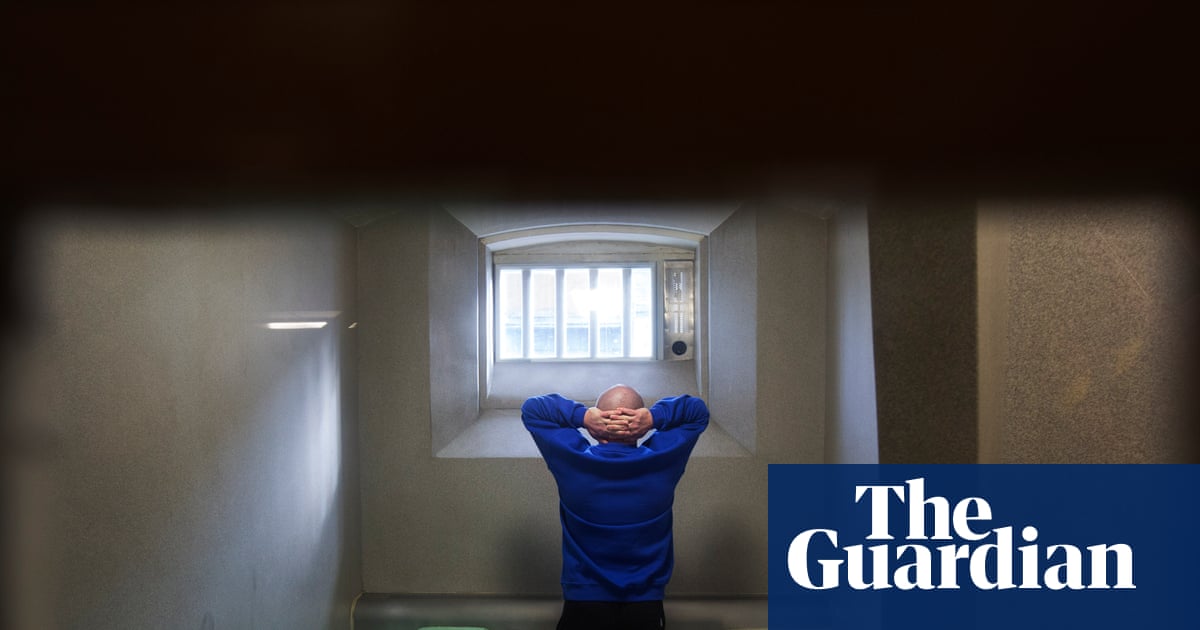
The Museum of Austerity, which has just arrived in London having toured Manchester, Newcastle and Bristol, is such a simple idea: you put on a headset, and walk into an empty room. As you walk around, holograms appear; a man about to collapse, clinging to a wall with one hand; a woman leaning on a desk, such a plain image it could be any desk, but you know it’s a benefits office by her look of beseeching desperation; a man who has died in the street, his dog waiting for him to wake up. Approach any scene from the right angle, and the testimony of one of their relatives will start playing through the headset
In 2022, a study in the Journal of Epidemiology and Community Health estimated that there had been over 330,000 excess deaths caused by austerity, one way or another, between 2012 and 2019. It was public knowledge and yet it was somehow too large to wrap your mind around: did it mean the coalition and then Conservative governments knowingly let people die? Or was it more a case of, modern life was different, and governments no longer took responsibility for whether or not people died? That seemed like a narrative everyone was more comfortable with, that these were straitened times, and the state no longer made health and life its core business. But how is that different to letting people die? And how is it comfortable?
There’s none of that ambiguity about the handful of deaths in this installation: two women took their own lives, one overwhelmed by her disability assessment, the other sanctioned by the benefits office. Two men died at home, with no food in their cupboards. “Starved” sounds so melodramatic, but that’s definitely the right word, when you die from not having any food. One woman would have died anyway, having terminal lung cancer. The cruelty of her interactions with the DWP in the last weeks of her life is unimaginable, but she technically wouldn’t show up in the “excess deaths” statistics. Maybe it’s time for a separate study on the excess cruelty of austerity.
A relative – two brothers, a mother, a daughter, a sister, a friend – tells each story very plainly. No one really likes using labels about people they love, so you don’t get much diagnosis, at least not of mentally ill people, yet you understand immediately why the person couldn’t have held down a job, couldn’t cope with the paperwork of trying to prove that, died trying. Themes repeat, across very different stories – the relatives keep saying that if their loved one had been tried in a court of law, at least they’d have known what the charge was; at least they’d have had a chance to defend themselves. So many say that it seemed as if the system was making a mistake, just hadn’t understood the condition of the person it was dealing with – the right call from a GP, a different assessor, a new form filled in and it would all clear up. The relatives ultimately realise that this isn’t a system error; brutality is the system.
As you walk from one hologram to the next, you get audio of ministers using the cliches that are still so familiar, about a nation tightening its belt, making work pay, sloughing off the burden of sicknote culture. All this rough and clumsy but incredibly sturdy language around the proposition: we can no longer afford people not to be well. You still hear it, every day, whether it’s the chancellor weighing up a tax rise against a welfare bill reduction, or a health secretary “concerned” about overdiagnosis. There must be some way, they insist, to stop spending all this money on people who aren’t well. Surely with the right incentives, they will just get better? They never get to the end of that policymaking sentence, which is implicit in the state austerity has built: they’ll either get better or they’ll die. Let’s just suck it and see.
It’s really short, this show – half an hour – and absolutely mind-blowing in its ability to connect what you already know to the guilt and sorrow that really knowing all that would call for. Over the road, they’re doing A Christmas Carol, where Dickens attempted the same thing, not as successfully in my view, but it’s definitely more suitable for children. You can’t build a society whose motto is “be well or die”. Nobody will thrive in it.