.png) 4 hours ago
7
4 hours ago
7
Two leading experts have withdrawn from Lucy Letby’s defence team over concerns about the “scientific credibility” of some of its evidence.
The former neonatal nurse is challenging her convictions for murdering seven babies and attempting to murder seven others at the Countess of Chester hospital in north-west England.
The Criminal Cases Review Commission (CCRC), the UK’s miscarriage of justice watchdog, is considering a dossier of evidence submitted last year by experts on her behalf.
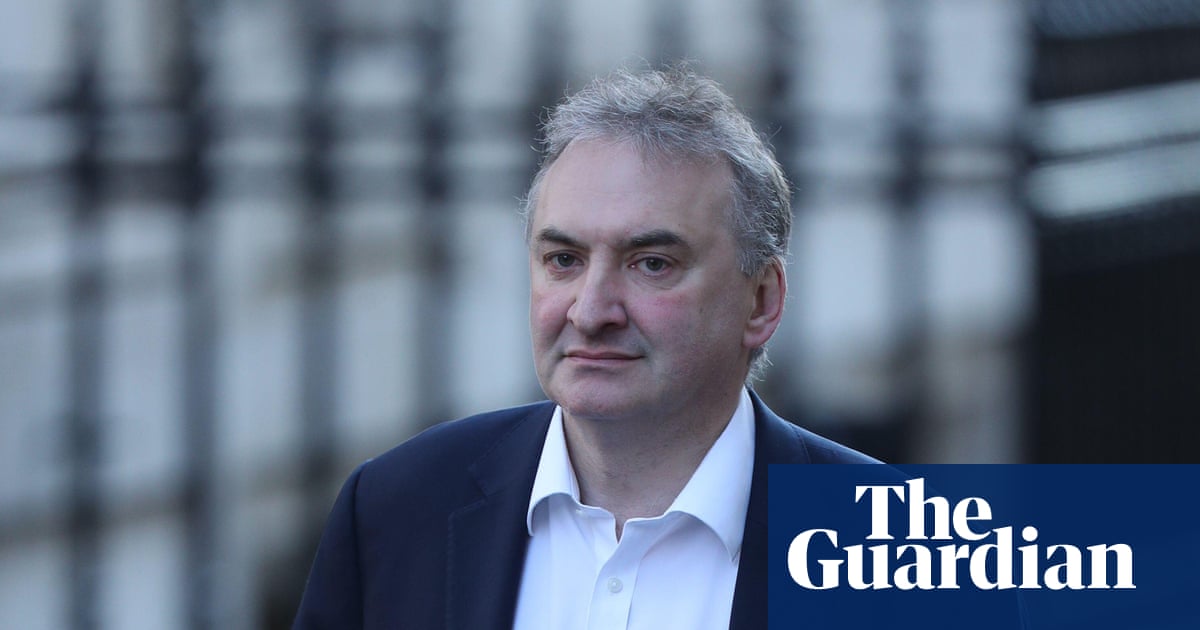
Two experts withdrew from Letby’s defence team on Monday. They said that although they stood by their assessment that it was “very unlikely” two of the babies were poisoned, some of the arguments being put forward on her behalf were “inconsistent with the available evidence, science and established physiology”.
Helen Shannon, a British chemical engineering expert, and Geoff Chase, a professor of bioengineering based in New Zealand, produced a 100-page report last year casting doubt on her convictions for poisoning two babies with insulin.
They told the Guardian last year there was a “very strong level of reasonable doubt” about those two convictions, which formed a central part of the prosecution case against Letby. The 36-year-old nurse was convicted in 2023 of trying to murder two newborn boys, known as Baby 6 and Baby 12, by spiking their feeding bags with insulin.
Letby is serving 15 whole-life orders after she was convicted across two trials at Manchester crown court of murdering seven babies and attempting to murder seven others, with two attempts on one of her victims, between June 2015 and June 2016.
Shannon and Chase said on Monday they stood by their assessment, but could not support other evidence used by Letby’s defence team relating to the insulin cases.
In a letter to the CCRC, the experts said: “Whilst it is entirely legitimate for the defence to advance multiple arguments, some of the other arguments now being put forward we cannot support as scientifically credible and which have, in our view, fundamental unresolvable problems.”
They said the strategy of Letby’s defence team, led by her barrister Mark McDonald, was “placing the long-term interests of Ms Letby at serious, unnecessary and unacceptable risk” and that those “consequences also extend to the families” of the babies who died and were injured.
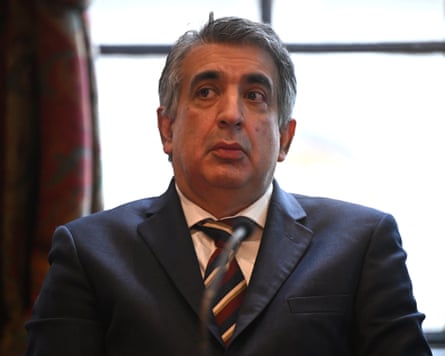
They added: “We cannot, with integrity, support arguments which are inconsistent with the available evidence, science and established physiology … After disclosing these concerns, continued association with arguments we believe are demonstrably inaccurate creates a serious ethical issue under the professional engineering codes governing us in New Zealand and the UK, and exposes us to professional sanction.”
McDonald, Letby’s barrister, said: “We now have evidence from a number of leading international experts in insulin, endocrinology and laboratory medicine which fundamentally undermines the scientific evidence relied upon at trial. Importantly, the case does not stand or fall on any one expert.
“The strength of the new evidence lies in its breadth and convergence, with independent experts from different disciplines and jurisdictions identifying fundamental problems with the scientific basis upon which the jury were invited to conclude that babies [6] and [12] had been deliberately poisoned.”
The CCRC, which has been reviewing the convictions for 18 months, declined to comment.
A public inquiry into the murders will publish its findings on Tuesday. The review, led by Lady Justice Kathryn Thirlwall, is expected to highlight a number of missed opportunities for bosses to intervene after doctors raised the alarm about a spate of unexplained deaths on the neonatal unit in 2015 and 2016.
A criminal investigation is ongoing into potential corporate manslaughter and gross negligence manslaughter at the Countess of Chester hospital.