.png) 2 months ago
57
2 months ago
57
The homelessness minister has pledged to end the use of bed and breakfasts as emergency housing, even as new figures show that the country’s homelessness problem has worsened since Labour came into government.
Alison McGovern said she would consider it a personal failing if people were still being placed in B&Bs by the end of this parliament as she launched the government’s three-year homelessness strategy.
But despite promises to reduce the use of temporary accommodation and halve the number of people sleeping rough, data from Shelter shows homelessness has jumped 8% over the past year.
McGovern told the Guardian: “We want to end the use of B&Bs, apart from in a really dire emergency situation. We want to end the use of B&Bs by the end of the parliament.
“It will take people having access to better temporary accommodation, increased social housing and so on. But I think we can do it. If we don’t manage it, no one will judge me as harshly as I’ll judge myself.”
She said the latest figures from Shelter, which show that more than 380,000 people in England are now homeless, with a record 350,000 in temporary accommodation, demonstrate the scale of the challenge facing the government.
“We’ve had people’s incomes being constrained and costs going up, and then austerity for town halls over the past decade and a half,” she said. “When the force and momentum of those three big challenges is so great, it’s going to take more than a year of a Labour government to turn that around – but we will.”
Even as she launched the strategy, her government came under fire from campaigners and the Labour mayor for Greater Manchester, Andy Burnham, for freezing housing benefit until at least 2026.
Burnham told ITV News on Wednesday: “The Westminster world, because sometimes they pose as tough on benefits, [says]: ‘Let’s freeze local housing allowance.’
“All that means is families in private rented accommodation see a growing gap between the rent that being has to pay and the level of support they’re getting from the system, and it gets bigger to the point where they’re made homeless and they have to present to the council.”
Sarah Elliott, the chief executive of Shelter, said: “The failure to unfreeze local housing allowance rates will condemn thousands to another grim winter without a secure home. Even more people will find it impossible to either avoid or escape homelessness in the months ahead unless the government throws them a lifeline.”
McGovern hit back however: “The root of this problem is not housing allowance, it is the private rented sector.
“If we want to move forward on this issue, we have to get to the root cause of it, and that means building more homes and making sure that people have got sustainable incomes.”
As part of the government’s homelessness strategy, ministers have pledged hundreds of millions of pounds to various schemes to improve temporary accommodation, including a £124m fund for more supported housing for people with complex needs.
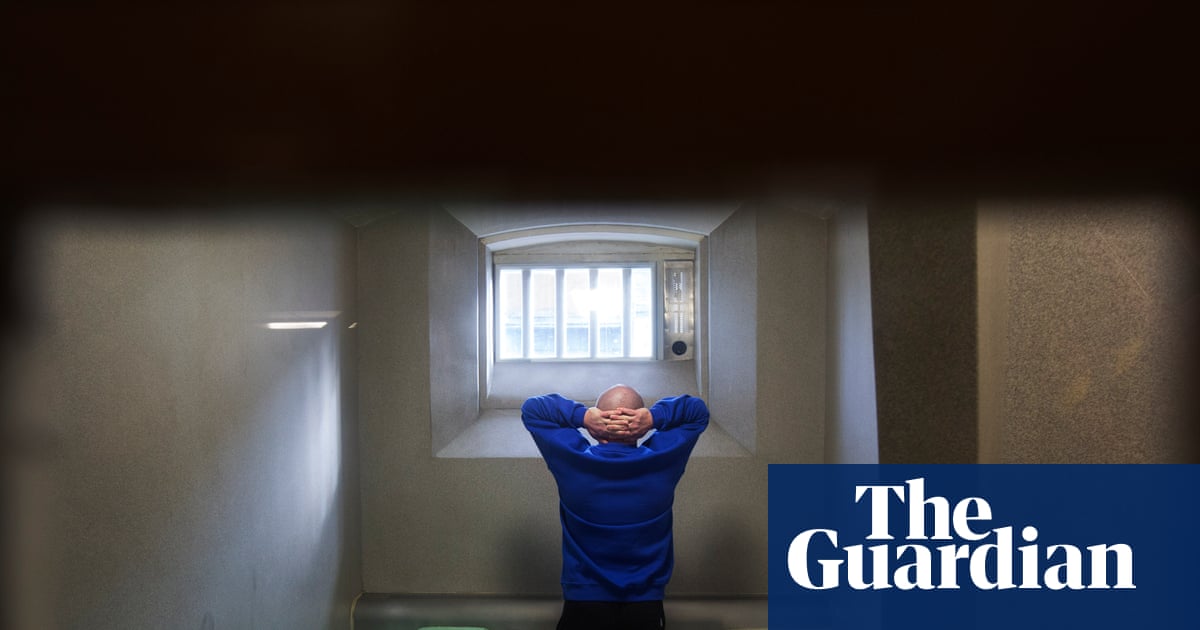
The cornerstone of the strategy is a proposed “duty to collaborate” law that would force public bodies to work together to ensure people are not released from prison or discharged from hospital on to the streets.
It would for the first time set clear targets on this issue, including halving the number of people who become homeless on their first night out of prison, and ensuring no eligible person is discharged to the street after a hospital stay.
But ministers have refused to raise housing benefit – something campaigners say is essential to reduce homelessness in the short term.
Jasmine Basran, the head of policy and campaigns at the charity Crisis, said its research showed homelessness among people discharged from hospitals, prisons and other institutions had increased by 22% in the last year.
“We see people who have been in hospital and still have medical needs, but are discharged on to the streets, and then have to deal with the trauma and dangers of rough sleeping on top of physical and mental health conditions that they simply can’t manage,” she said.
“It is not a place to recover. It just means we see people cycling back into A&E because they haven’t got the care they need. And if you are homeless once you leave prison, you are much more likely to reoffend. So this approach is absolutely right.”
David Robinson, the assistant director of operations at the housing association Riverside, said: “This is something we see all the time – lots of the people we help have previously been in prison, hospital or social care, and left the system without anywhere to go.
“But the devil is in the detail and we need to know who is going to have to do this, what the timescale is, and what resources will be there to support them.”