.png) 3 months ago
66
3 months ago
66
Labour’s manifesto commitment on North Sea oil and gas production was a fudge. On one hand, it said no new licences “to explore new fields” would be granted. On the other, it said existing fields would be managed “for the entirety of their lifespan” in a way “that does not jeopardise jobs”.
The formulation raised many questions. Where, exactly, would the line be drawn between a new field and an existing field? What would be the approach to protecting workers when, as now, North Sea jobs are estimated to be going at a rate of 1,000 a month according to analysis by Robert Gordon University?
The thinking is only slightly easier to understand now. The clear part is that Ed Miliband’s energy security and net zero department will create “transitional energy certificates” for “limited” oil and gas drilling in areas that are part of an existing field or adjacent to a licensed field. The idea is to keep those sites economically viable for longer by using existing rigs and pipelines.
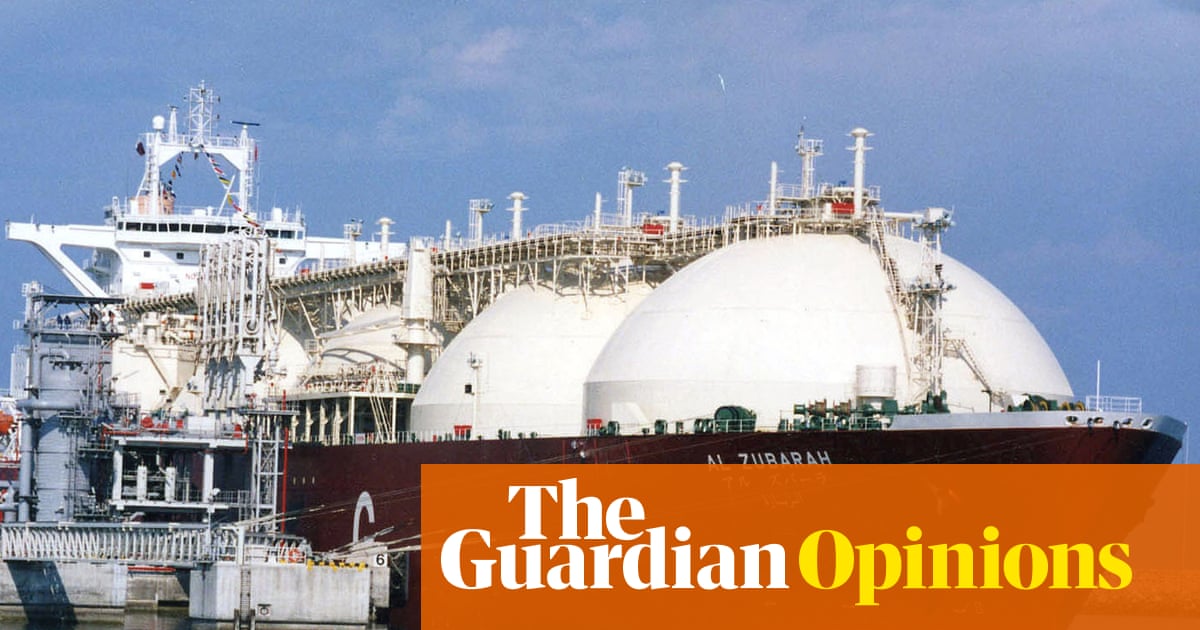
The approach sounds sensibly practical. The UK’s current reliance on imported oil and gas is doing little to reduce emissions (shipments of liquefied gas from the US and Qatar are far more polluting than domestic production) or protect jobs in a supply chain that will be needed to build renewables infrastructure.
The risk in not allowing “tiebacks” is that decline in the North Sea accelerates even faster at a time when oil and gas still provides three-quarters of the UK’s energy needs and imports are running at 40%. Miliband has proved to be more pragmatic on licensing than his industry critics made out. And, yes, his policy reads as manifesto-compliant.
But here’s the rub: the chancellor didn’t budge an inch on the windfall tax, the energy profits levy (EPL) introduced during the price spikes of 2022. The Treasury intends to keep the EPL in place until its scheduled end in 2030. Oil and gas companies say the levy is the real reason they’re cutting investment: the UK is simply uncompetitive when the marginal rate of tax in the North Sea is 78% and 2022’s sky-high prices for oil and gas have reversed.
“If the levy stays in place beyond 2026, projects will stall and jobs will vanish, no matter how pragmatic licensing policy becomes,” argued the trade lobby group Offshore Energies UK.
One could take the view that the industry is exaggerating and that producers in practice will leap at the chance to get their hands on tieback licences, perhaps in the expectation that the EPL will disappear early anyway when oil and gas prices fall far enough to trigger automatic cut-offs (the oil price is there already, but both have to happen for six months). Well, maybe – but that prospect is obviously highly uncertain.
The position therefore is a muddle of a different type. The energy department’s looser licensing regime and the Treasury’s tight tax policy are pulling in opposite directions. It makes it hard to understand what the government is trying to achieve. Certainly, nobody is talking about actual production targets for the North Sea, which you’d think would be a basic requirement of a “fair, managed and prosperous” strategy for transition. The thinking does not look joined-up.
after newsletter promotion
Missed opportunity of the budget? Proper reform of stamp duty on shares. Rachel Reeves opted instead for the token gesture of a three-year stamp duty holiday for new listings on the London Stock Exchange.
A bolder move would have been to cut, or abolish, the 0.5% charge on all share transactions. It would have shown real commitment to reviving the London market and would have sat perfectly alongside the cut to £12,000 in cash Isa limits.
The chancellor added she will “continue to evaluate” stamp taxes on shares to support “the competitiveness of our world-leading capital markets”. Come on, this dance has already gone on too long. No other major financial centre charges 0.5% and AstraZeneca, the biggest company in town, has already found a way around it.