.png) 3 months ago
65
3 months ago
65
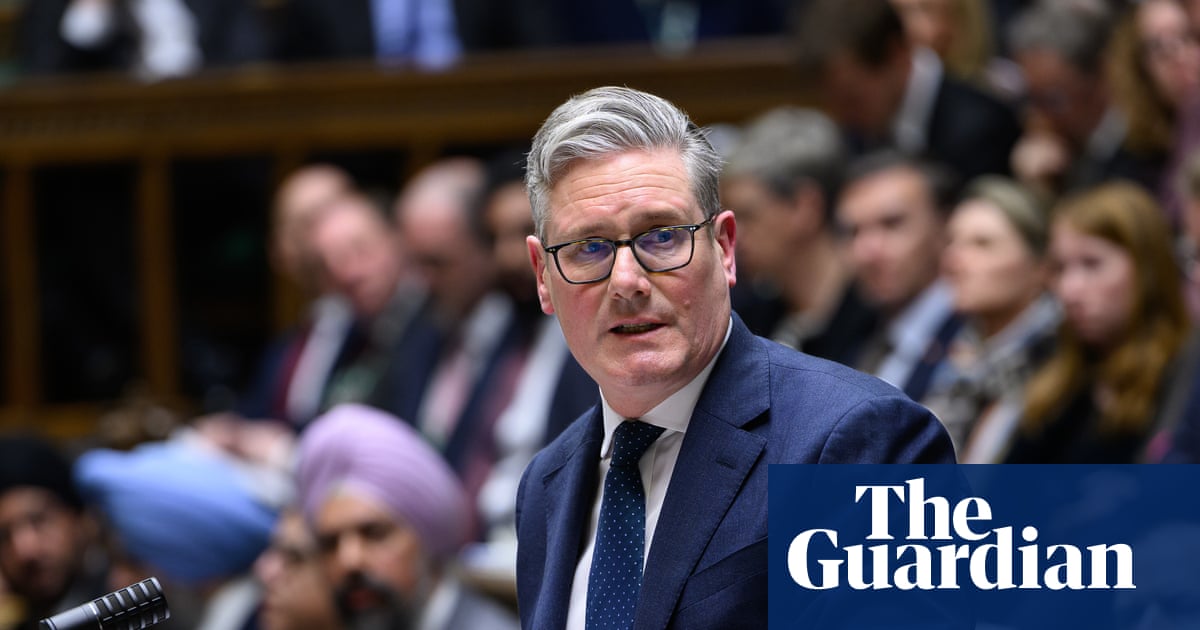
Rachel Reeves has declared her budget will slash living costs for millions after a highly embarrassing leak revealed she would increase taxes by £26bn to plug a gaping shortfall in the public finances.
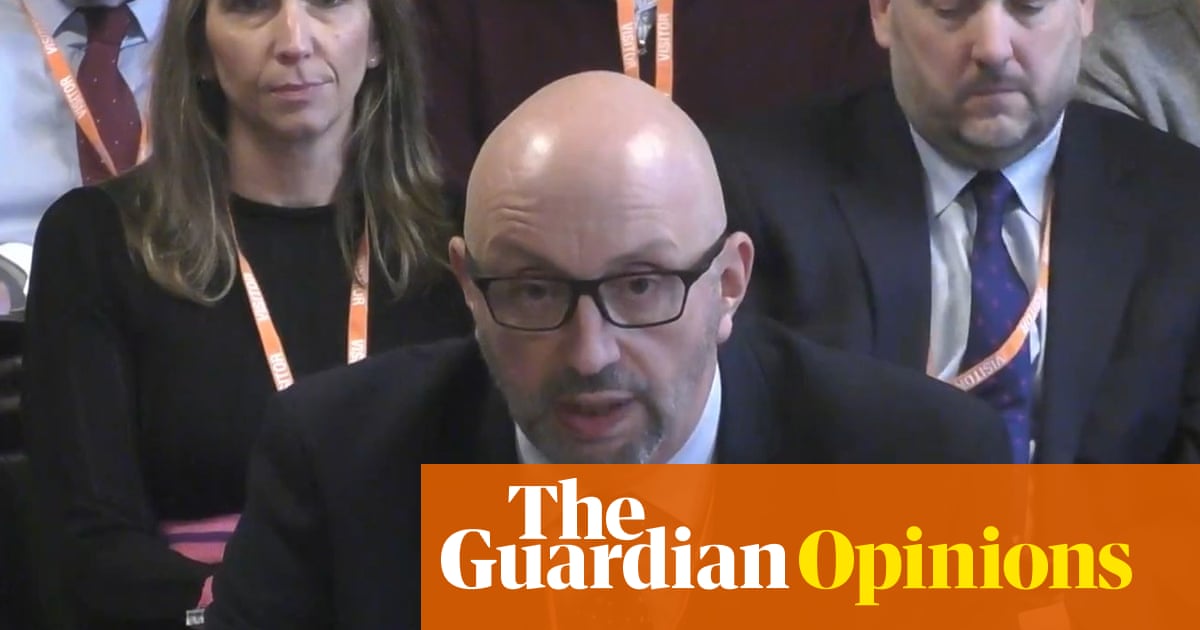
In a shock release triggering an instant bond market reaction, the Office for Budget Responsibility (OBR) published the full details of the chancellor’s plans an hour before her make-or-break speech to the Commons.
In a highly anticipated statement after months of speculation, Reeves said her measures would put the public finances on a sustainable path while building a “fairer, a stronger, a more secure Britain” by tackling inflation and investing in large infrastructure projects.
“I said I would cut the cost of living and I meant it. This budget will bring down inflation and provide immediate relief for families,” she said.
But faced with a multibillion-pound shortfall in the government finances, the chancellor said she was “asking everyone to make a contribution” as she announced sweeping tax increases on incomes, pensions and property.
Reeves confirmed Labour would remove the two-child limit on benefits, in a measure designed to settle restless backbenchers heaping pressure on Keir Starmer’s government.
“We are lifting 450,000 children out of poverty with the end of the two-child limit. And combined with other actions we are taking, this Labour government is achieving the biggest reduction in child poverty over a parliament since records began,” she said.
In a budget under scrutiny from jittery MPs and bond investors, Reeves placed a massive £15bn increase in personal taxes at the centre of her revenue-raising efforts – centred on a longer-than-anticipated three-year freeze in tax thresholds.
As part of dozens of other revenue-raising measures, the chancellor announced a £2,000 cap on the exemption of salary-sacrificed pension contributions from 2029; alongside gambling taxes, a new mileage-based charge on electric vehicles and the introduction of a high-value council tax surcharge in England, which has been called a “mansion tax”.
Taken together, the OBR said her measures helped to overturn a £4bn projected shortfall against the chancellor’s self-imposed fiscal rules to rebuild headroom worth £22bn – significantly above expectations.
In the spring, Reeves left £9.9bn in reserve as a buffer. However, the independent Treasury watchdog said this had been more than erased by a sharp cut in its forecasts for productivity growth, elevated borrowing costs and U-turns on welfare changes dropped earlier this year.
The chancellor said she had pushed to keep the tax contribution to rebuild the government finances as limited as possible, while attempting to ease living costs for households.
Announcing measures to cut energy bills, she said the overall package would reduce headline inflation by 0.3 percentage points next year.
Taking action to ease the pressure on families, Reeves said she would take £150 off energy bills by removing green levies and freezing rail fares, fuel duty and prescription fees.
Inflation is running at 3.6% at present – significantly above the government’s 2% target, and the highest reading in the G7.
However, while her actions reduce government borrowing – from 4.5% of GDP this year to 1.9% in 2030-31 – the OBR predicted growth would be weaker than anticipated in 2026 with a sharp downgrade from 1.9% to 1.4%.
In response to the dramatic early release of the OBR’s critical assessment, Reeves said it was a “deeply disappointing and a serious error on their part” that the watchdog had taken full responsibility for.
Labelling the release “utterly outrageous” after months of kite-flying, Mel Stride, the shadow chancellor, said: “This leak may constitute a criminal act.”
The OBR apologised and said it had launched an investigation after its economic and fiscal outlook document was published early before the budget, describing it as a “technical error”. Usually, the OBR publishes its outlook after the chancellor’s speech has finished.
The surprise early release sent government bond yields down, as investors were cheered by the apparent increase in headroom.