.png) 2 months ago
63
2 months ago
63
The UK’s financial regulator has decided not to immediately investigate Rachel Reeves and the Treasury over pre-budget briefings but left the door open for further examination of what the Conservatives claimed amounted to market manipulation.
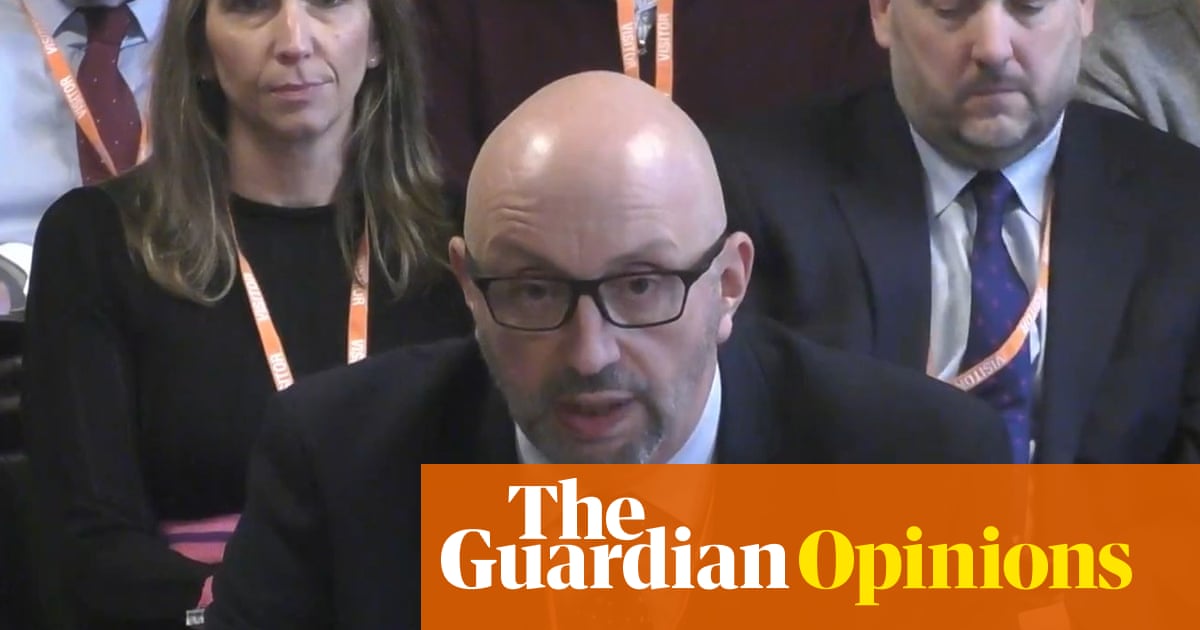
In a letter addressed to the chair of the Treasury committee, Meg Hillier, the the chief executive of the Financial Conduct Authority (FCA) said the regulator had turned down requests by politicians including the shadow chancellor, Mel Stride, to open an inquiry into briefings made before last week’s announcement by the chancellor.
Nikhil Rathi said the FCA had “not commenced an enforcement investigation” into potential market abuse, but added that the regulator would consider the findings of a Treasury inquiry into pre-budget leaks.
“We have requested details of this work and that the outcome, including of the inquiry into any leak of market sensitive or inside information relating to the budget, is shared with us so we can consider as appropriate,” the FCA said.
This year’s budget was preceded by multiple stories about what was being considered, including the revelation in the Financial Times days beforehand that Reeves had abruptly dropped a plan to raise income tax rates.
Reeves allies said the U-turn had come because of improved forecasts from the Office for Budget Responsibility, but the OBR later clarified it had not updated its forecasts for two weeks.
The confusion around Reeves’s decisions and the competing explanations as to why they were taken has led to accusations that Treasury officials deliberately misled reporters in an attempt to keep UK borrowing costs low.
Stride said this week that Treasury’s “leaks and spin” had led to market speculation being “rife, and the gilt markets volatile”.
He added in his letter to the FCA: “It seems increasingly clear that the chancellor has been giving an inaccurate picture of the economic and fiscal context and this appears to be driven by political considerations.”
However, Rathi said in the letter that the core purpose of the regulator’s market abuse rules was to ensure a level playing field and confidence in markets. “Its purpose is not to make judgments on political discourse, even though that discourse may on occasion have an impact on markets,” he said.
“How the government publicly communicates its position in advance of a fiscal event or similar is a matter for parliament through its accountability mechanisms.”
after newsletter promotion
Controversies around the budget have also ensnared the OBR. Its chair, Richard Hughes, resigned on Monday, after the Treasury watchdog mistakenly published a key document before the chancellor delivered her speech.
Hughes said he took “full responsibility” for the failure to handle sensitive information, after damning internal inquiry that also found that this was not the first time the OBR had inadvertently published budget documents early.
It emerged that its reports had been also accessed early in March 2025 before the spring statement, although no action was taken as a result of the breach.
In his letter, Rathi said the FCA was considering the OBR’s report into the early release of the Economic and Fiscal Outlook document. He added that the regulator welcomed the statement from the OBR that it “would cooperate fully with the FCA”.