.png) 2 months ago
59
2 months ago
59
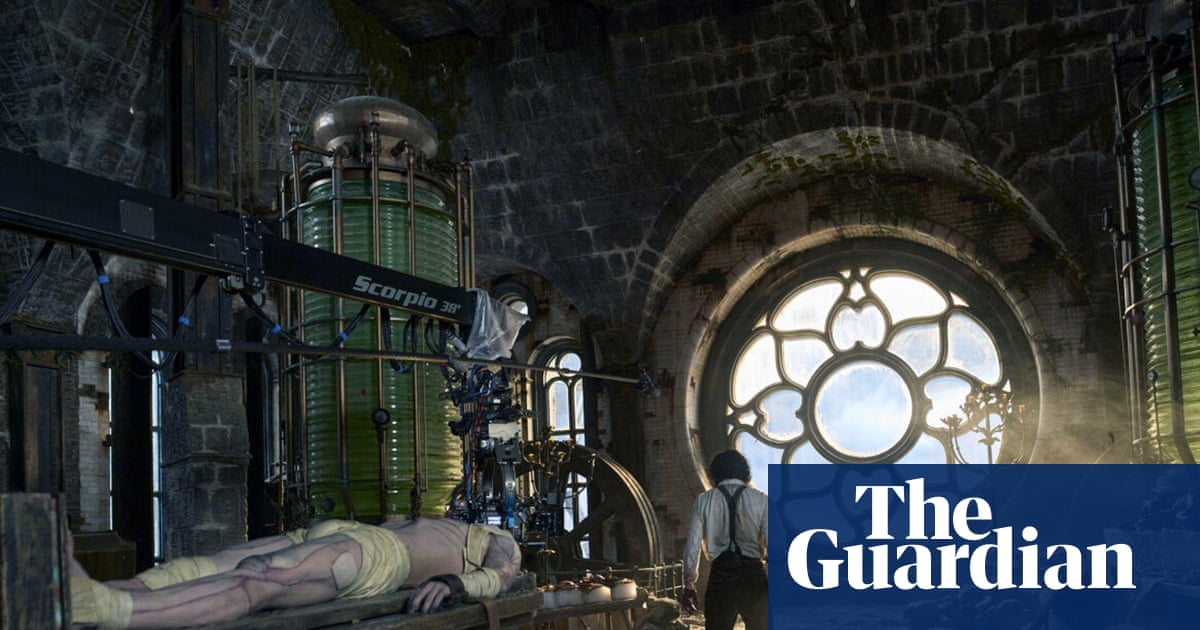
The Royal Shakespeare Company has defended plans to reduce its workforce by 11% and merge its costume departments by saying the proposal will ensure it is “match fit” as it faces a “perilous situation”.
Daniel Evans, the RSC’s joint artistic director, told the Guardian the reduction in staff numbers could save £2.8m a year, as the organisation attempts to address a shortfall thought to be between £5m and £6m.
He said at present the RSC has not been able to raise funds to match its running costs, and that it had to make the changes in order to find a “financially resilient model”.
Evans added: “We also have major ambitions for the organisation and that is about making sure that we can be match fit to meet this moment and to make sure that we are giving audiences and artists, and indeed staff, the best possible experience when they come to either participate in or observe great theatre.”
Under the proposals – first reported by the Stage – the company’s specialist costume departments could be merged, with remaining workers potentially forced to reapply for jobs for less pay and fewer hours.
The 11% cuts would be made up of employees who had applied for voluntary redundancy and other jobs that would be made redundant on a compulsory basis.
Evans said the combination of a real-terms cut in its Arts Council England funding year-on-year, the cost of living crisis and the soaring costs of materials had contributed to the financial shortfall the RSC was facing.
The war in Ukraine has meant the cost of timber has increased dramatically, which has a knock-on effect for the RSC, which builds its own sets in Stratford-upon-Avon.
Evans said the combination of those financial pressures and a desire to offer accessible tickets, such as the 25,000 tickets priced at £25 he announced during his first season with his joint artistic director Tamara Harvey, meant balancing the books was increasingly hard. “You can see how the situation develops, where our ability to raise [funds] alongside the costs increasing becomes a perilous situation,” he said.
Getting more philanthropic donations and corporate sponsorship was also difficult, he said, adding: “There’s just less money to go around.” Last year the company raised £6.6m in donations, according to its public filing.
In a statement to the Guardian, the RSC said that the organisation needs to become more “agile, sustainable and resilient”, and is consulting workers to “purposefully link our structure to our ambition”.
It added: “The proposals that we have set out to colleagues will reduce our cost base by £2.8m a year which is a reduction in headcount of 11%. This will be accompanied by other reductions in our budget.
“This will not alone close the gap between the costs of running the organisation and its current ability to generate revenue, meaning there will be more work to drive income growth and maximise efficiencies next year, and beyond.”
Philippa Childs, head of the arts workers union Bectu, said: “Bectu recognises the financial challenges the RSC is currently facing – it is not the only company in the industry dealing with these issues. We are working through what that means for our members at RSC and supporting them through the consultation process.”
The RSC is in the middle of a consultation with staff, which ends in January 2026, and unions will be able to respond to the plans.
In September the RSC announced that half of its 835 employees were being invited to apply for voluntary redundancy, with the company saying it needed to make “urgent” savings.
The move is the largest redundancy programme at the RSC since 2020, when the company announced cuts during the pandemic.