.png) 2 months ago
44
2 months ago
44
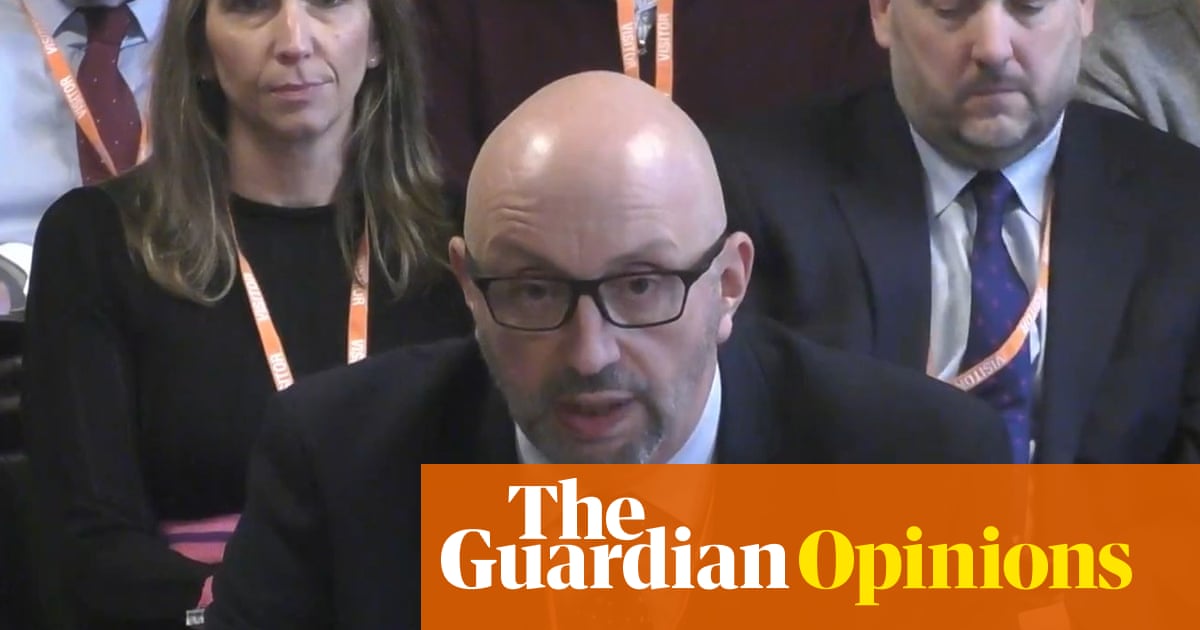
A surge in death and rape threats and harassment has created a “culture of fear” at charities serving women and refugees, and at mosques, churches and synagogues, the head of the Charity Commission has warned.
Mark Simms said he feared growing hostility towards charity staff, volunteers and beneficiaries, both online and on the streets, was becoming normalised and risked eroding civilised values and norms British society once took for granted.
His warning comes as the commission issues formal guidance advising charities on how to protect voluntary workers exposed to what it calls “unacceptable” personal risks as a result of threats, abuse and intimidation from some sections of the public.
A range of charities report being targeted by extremists amid a rise in toxic and divisive political rhetoric around immigration. Incidents of violence and vandalism – and increased security measures to combat them – are regarded by some as the new normal.
Refugee and asylum seeker charities, Muslim, Jewish and ethnic minority organisations, faith groups, women’s groups, youth bodies, homelessness charities and charity shops have reported increasing incidents of violence, threats, racism and abuse since the Southport riots in 2024.
“Over recent months, we’ve seen charity workers verbally and physically abused on the streets. We’ve heard of death threats, threats of sexual assault, witnessed damage and vandalism done to charity offices,” Simms will say in an speech to the commission’s annual public meeting.
“The charities targeted vary – some support women, some refugees or asylum seekers, some work with young people or homeless people. Some are places of worship. What unites them is that they are doing what they were set up to do – fulfilling purposes their governing documents set out, and which parliament has ruled are charitable.”
Simms will add: “What I have found especially disturbing is how little surprise these events have sparked beyond the sector itself. If we accept as normal charity workers being abused on the street, their families threatened with violence, what will shock us?
“There’s something insidious about this normalisation – the analogy of the eroding shoreline comes to mind. Waves of violence crashing against land, day by day, wearing down, inch by inch, the values and norms we once took for granted. And if we don’t pay careful attention, we may fail to notice, until it’s too late, that we are at the very edge of the cliff.”
Simms, the commission’s interim chair, will add: “Charities are not above the law, or beyond scrutiny. Their work should be open to challenge and debate. But nobody should face abuse for doing their job.”
The commission would be “sympathetic” to voluntary organisations who ask to have their trustees names removed or redacted from the public register of charities where there is evidence they may be identified and targeted by extremists.
The new commission guidance focuses on the “current hostile environment”. It says it recognises some charities “are now operating in an environment where a section of the public is actively hostile to their work”.
Its safeguarding advice says charities at risk should keep the security of staff, visitors and premises under regular review and consider upgrading existing security measures. It asks charities to consider whether entry doors are secure and “alternative exit routes” are available.
The National Council for Voluntary Organisations is due to publish a report this week revealing that some charities describe existing in a culture of fear, with staff nervous about travelling to and from work and beneficiaries afraid to walk the streets.
Simms will also hit out at activists who attempt to “weaponise the legitimate work of charities” through the commission’s complaints system. “We will not indulge those who seek to misuse the commission as regulator to further political ends or undermine the rights of charities under the law,” he will say.
“Our job is to uphold charity law, the laws a democratically elected parliament has passed. We will not indulge those who seek to misuse the commission as regulator to further political ends or to undermine the rights of charities under the law.”
In recent years rightwing activists and Conservative backbench MPs have targeted several high-profile charities they dub “woke” or Marxist, including the National Trust and Barnardo’s, with formal complaints to the commission, claiming the charities have breached charity laws. None have been upheld.
Simms, who will be succeeded as commission chair by Julia Unwin in January, will pay tribute to the charity sector as a “bedrock of decency, compassion and civic strength” that steps forward to “protect the shoreline of a civilised, humane, hopeful society”.